











13 Types of Tattoo Styles Explained
Two roses are healing in the back room, done the same afternoon by different artists. One has a black outline you can read from across the shop and four flat colors packed inside it. The other was drawn with a single needle, gray, thin enough that you have to lean in. Same flower, roughly the same size, two tattoos with almost nothing in common. That gap is what people mean by tattoo styles. A style is the technique, not the subject: line weight, how color gets laid in, how shading is built, how the whole design sits on the body. You can get a rose in any of them.
The eleven styles below are the ones artists at Enigma Tattoos actually work in. Some have been around for a century or longer, like American Traditional, Japanese Traditional, and Tribal. Others are much newer, like Fine Line and Cybersigilism, which came out of roughly the last fifteen years. Each one asks something different from the artist and from your skin.
So how do you pick? Start with how loud you want it. Bold, high-contrast work reads clearly from across a room and stays legible for decades, while delicate linework sits quieter and usually wants a touch-up sooner. Think about where it's going, too. Fingers, ribs, and feet are hard on fine detail, and the big flowing styles want a canvas like a back or a thigh. Picture how you want it to look in twenty years, not just in the healed photo. Then match the style to an artist who actually does it well. Our artists each have their own strengths, and the honest answer is that some pieces belong with one of them and not another.
Read through the styles below and notice which ones keep pulling you back. Nobody expects you to arrive knowing the answer. Plenty of people walk in able to describe exactly what they want and with no name for any of it, and that's a completely normal place to start. Once one of these clicks, that's the conversation to bring to a consultation.
Celtic Symbol Tattoos
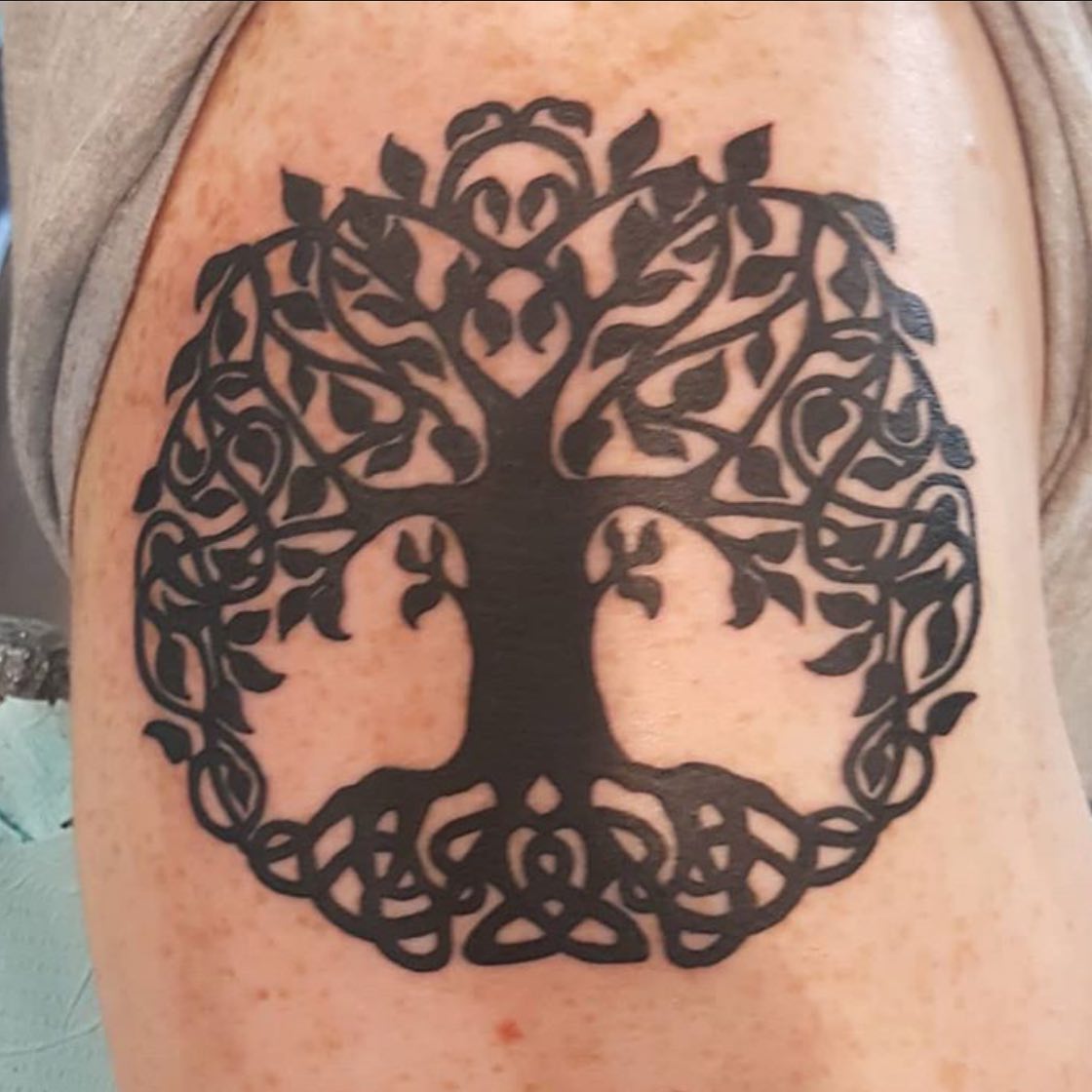
Celtic tattoos draw on more than a thousand years of knotwork carved into stone crosses and drawn in illuminated manuscripts across Ireland, Scotland, and Wales. The signature is the knot: one continuous line that loops back on itself with no beginning or end, often read as a symbol of eternity. Triquetras, triple spirals, Celtic crosses, and animals woven into interlace all follow that rule. It is also one of the least forgiving styles, since every line has to hold the same width and spacing or the pattern breaks. The flowing designs wrap well around forearms, calves, and the spine. Read our full Celtic tattoo guide before your consultation.
Dotwork Tattoos
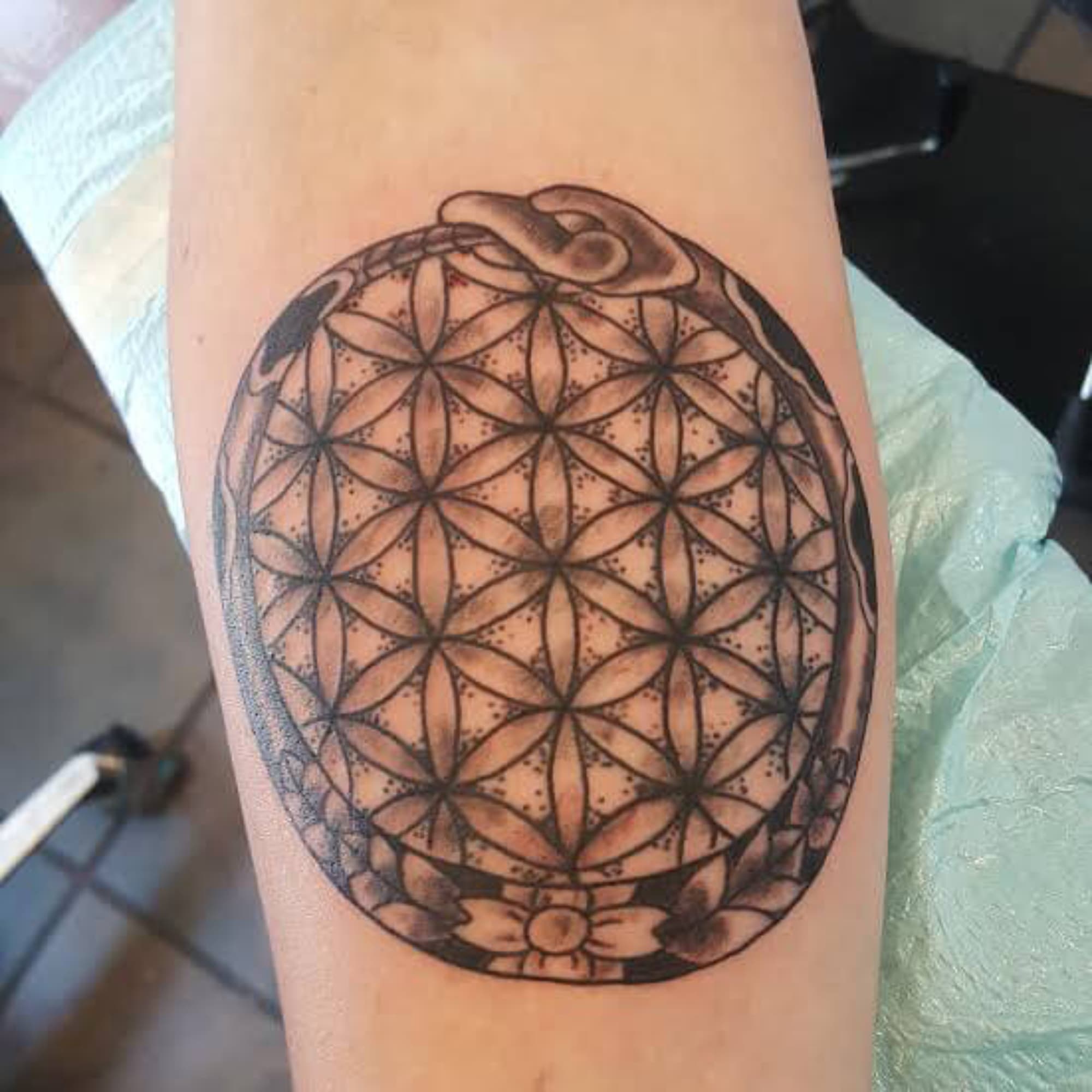
Dotwork builds an entire image from individual dots, with no continuous lines and no solid fill. Spacing and density do the work a brushstroke would normally do, so shading moves smoothly from dense and dark to light and airy. The technique draws on hand-poked traditions and fine-art stippling, and it is closely tied to mandalas, sacred geometry, and geometric patterns, though it works for shaded portraits and nature pieces too. The tradeoff is time: every bit of shading is built dot by dot, so plan for longer sessions on larger work. Read our full dotwork tattoo guide to see if it fits your idea.
American Traditional Tattoos
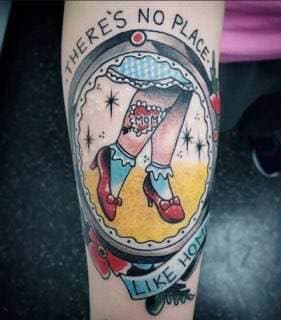
Thick black outlines, a small palette of red, green, yellow, and gold, and almost no wasted detail. That’s the engine of American Traditional, and it’s why an eagle or an anchor inked in 1955 still reads clean today. The vocabulary came off Navy flash sheets and shop walls in the early-to-mid 1900s, sharpened by artists like Norman Collins who worked out what actually holds up in skin over fifty years. Getting your first tattoo and want something that won’t go soft on you? Few styles are a safer bet. See a full gallery of traditional flash and custom bold-line work before you settle on a design.
Sailor Jerry Tattoos
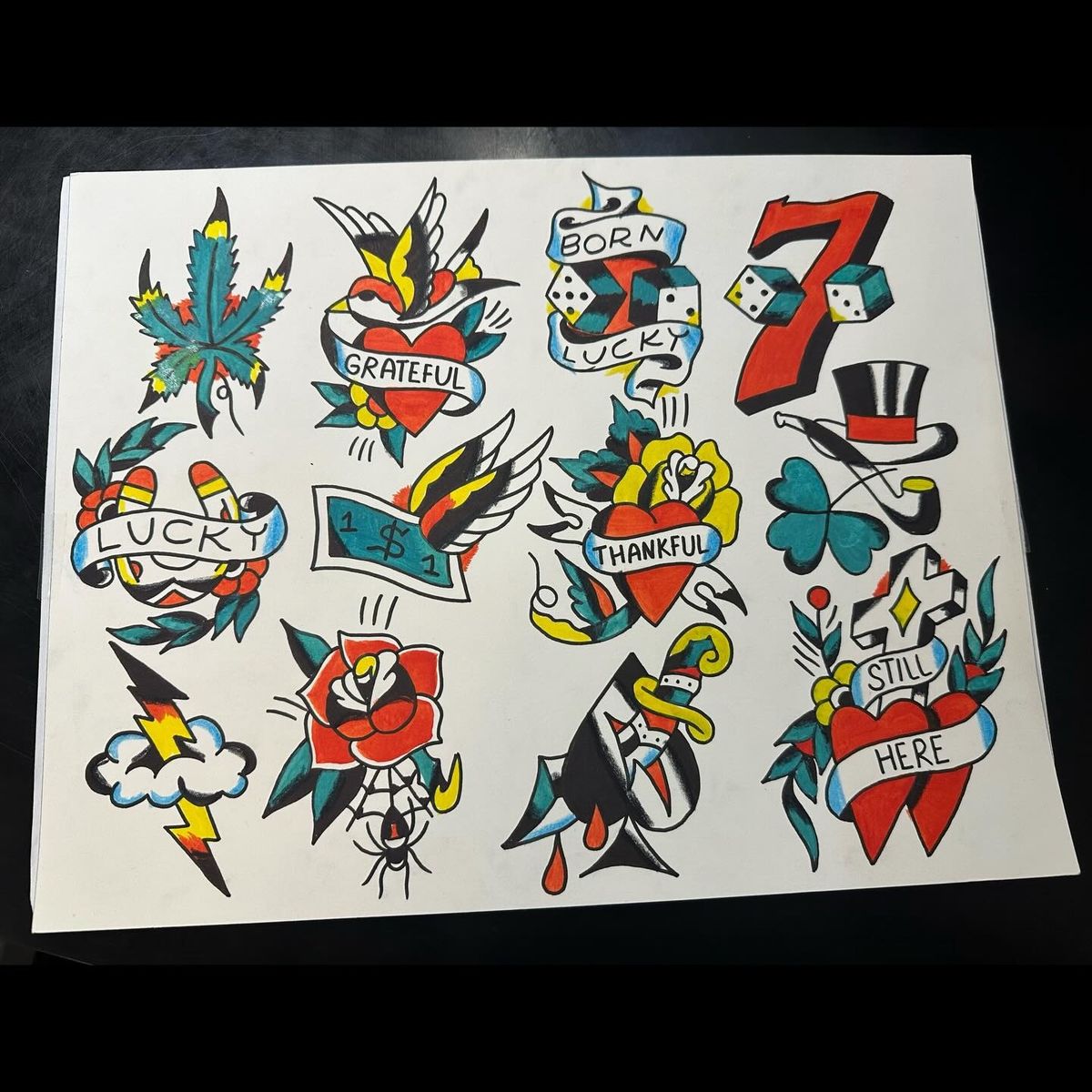
People ask how Sailor Jerry differs from American Traditional, since the two share the same bold-line DNA. The answer is specificity. Sailor Jerry is a dialect of that broader language: nautical and wartime iconography, hula girls, swallows, clipper ships, sharper shading than most flash of its era, and a streak of humor running under the sentiment. Collectors gravitate here when they want that exact mid-century flavor, the shop-wall Americana of the 1930s through the 1960s, rather than traditional in general. Browse the vintage Americana work our artists keep on file and you’ll see the difference quickly. Done right, it reads as lived-in rather than as costume.
Japanese Traditional Tattoos
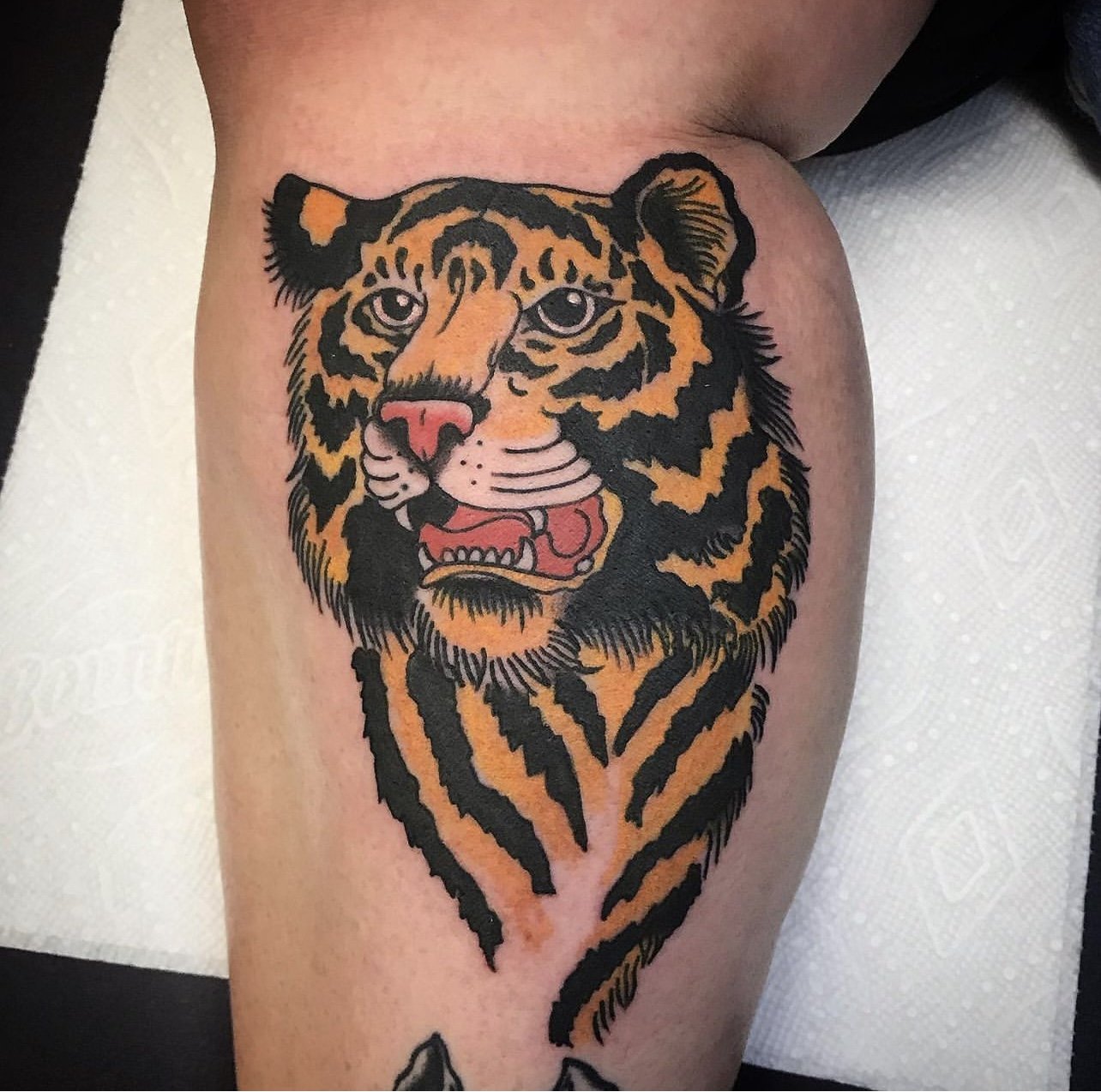
Before machines, this work was done by hand with a rod of needles, a technique called tebori, and the compositional rules that came together during the Edo period still govern the style. Wind bars, waves, and cloud fields aren’t background filler. They carry the piece around the body and give the koi or the dragon somewhere to move. Which is why the style rewards scale: a sleeve, a back, a full leg. If you’re planning something large and want it to tell a story rather than sit there as one image, look at how these compositions wrap around a body and bring that to a consult.
Blackwork Tattoos
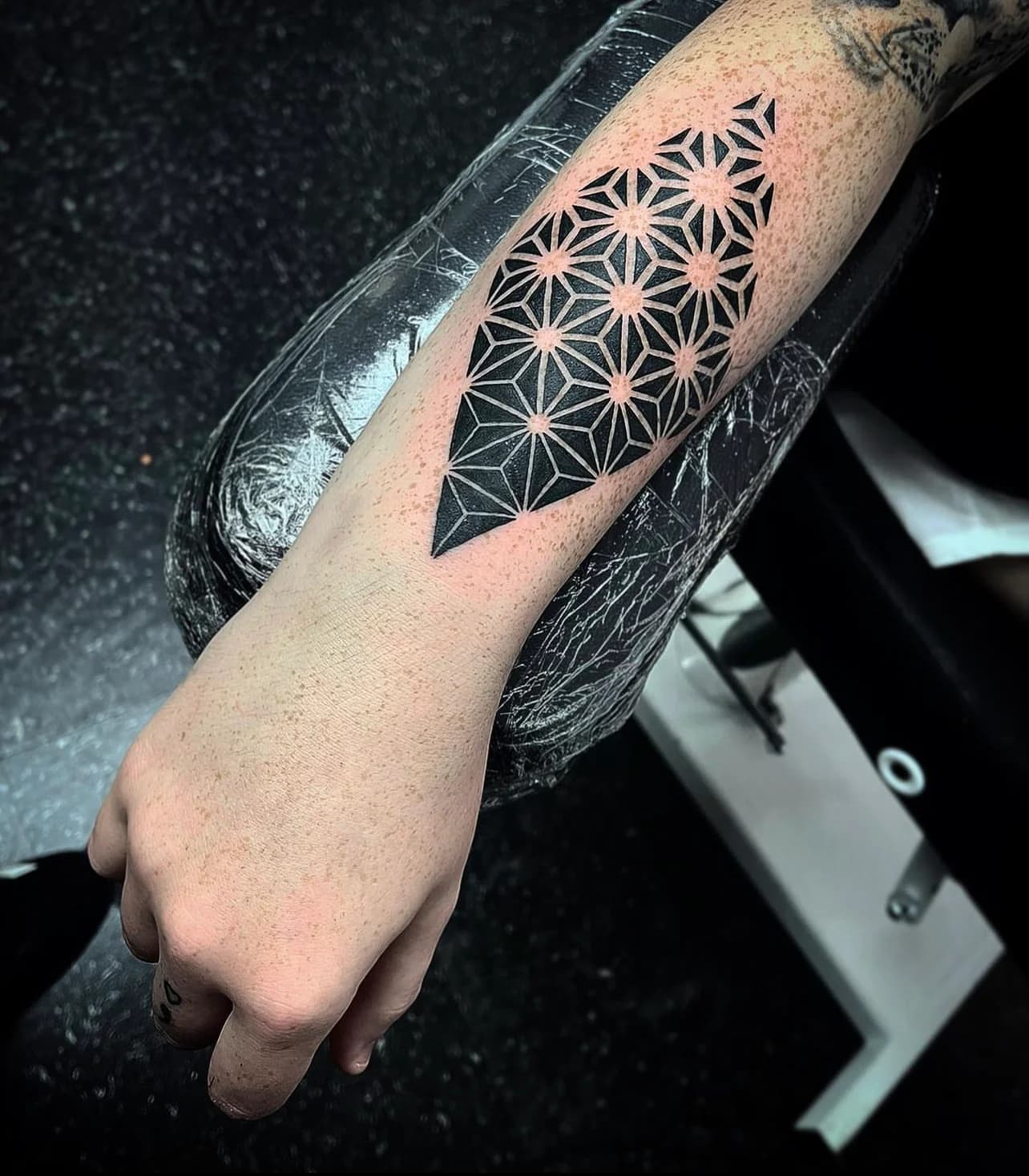
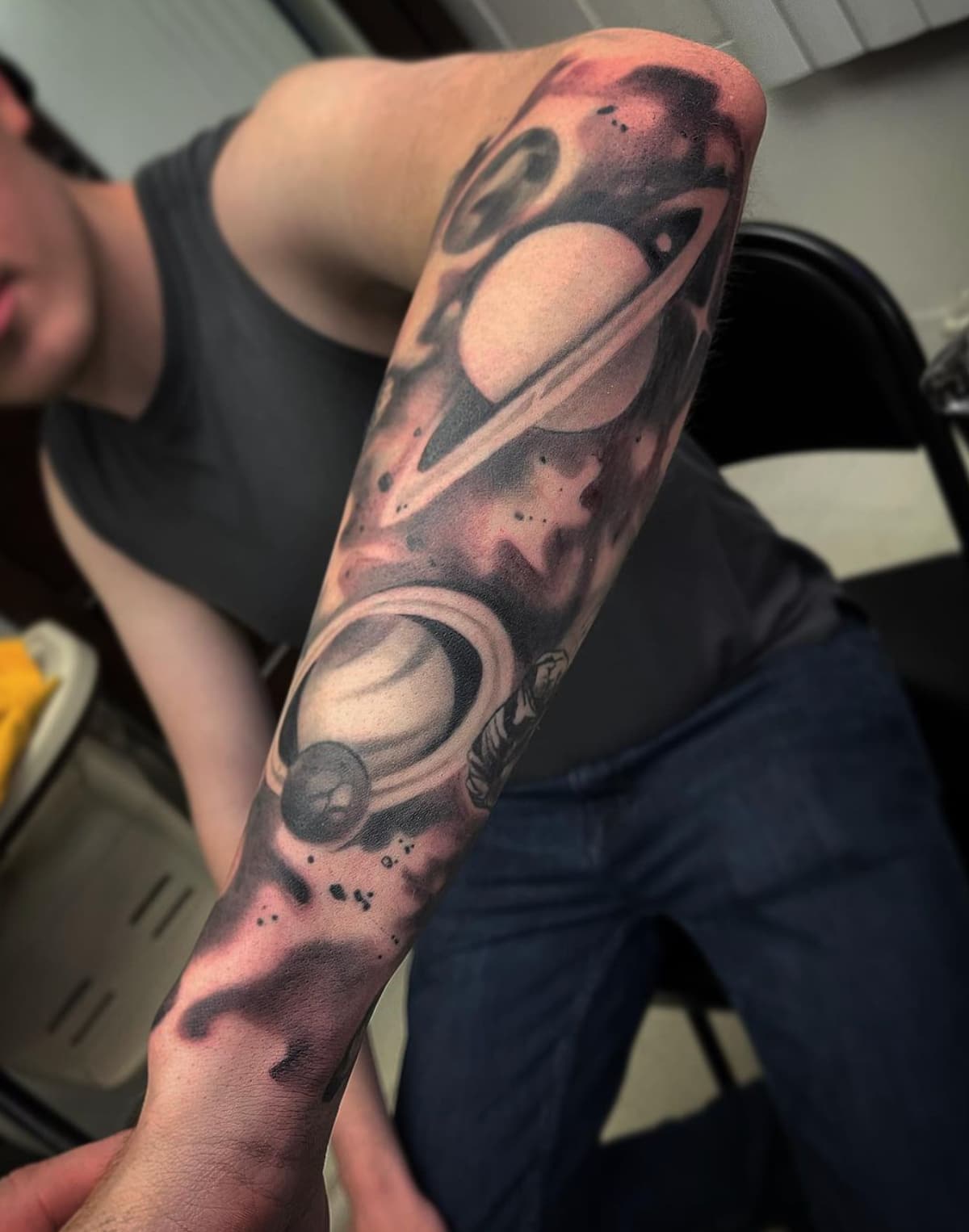
Solid black does something no other approach can: it makes the untouched skin part of the design. Blackwork runs on hard contrast and negative space, whether that's geometric patterning, heavy ornamental fill, or a shape carved out so the gap becomes the image. Its graphic language borrows from Polynesian and other tribal traditions, then gets rebuilt as modern work. There's a practical upside as well. Black holds its look longer than most color and asks less of you in maintenance. Clients chasing maximum impact with minimal upkeep tend to land here. The range of black-heavy work our artists have done runs from small solid pieces to full coverage.
Realism Tattoos
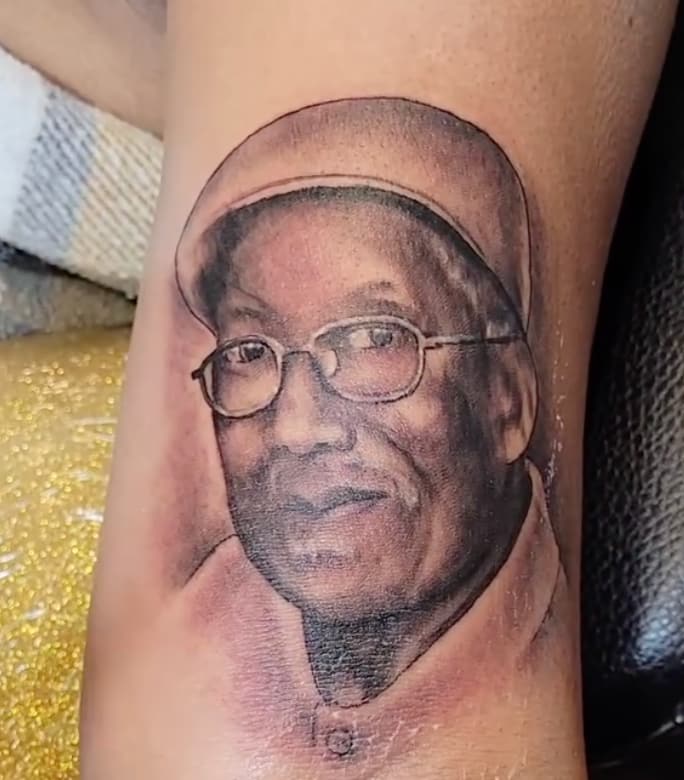
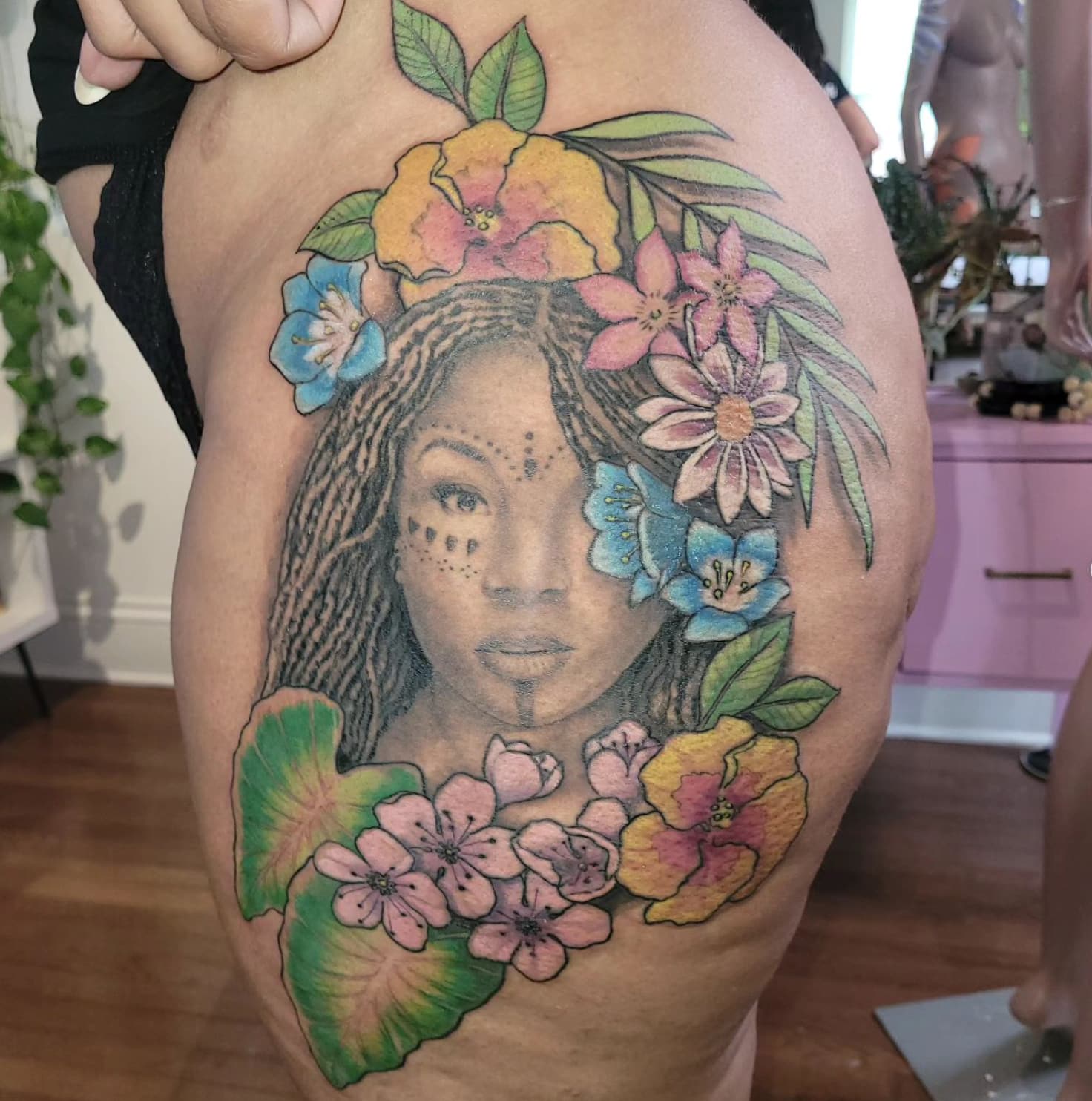
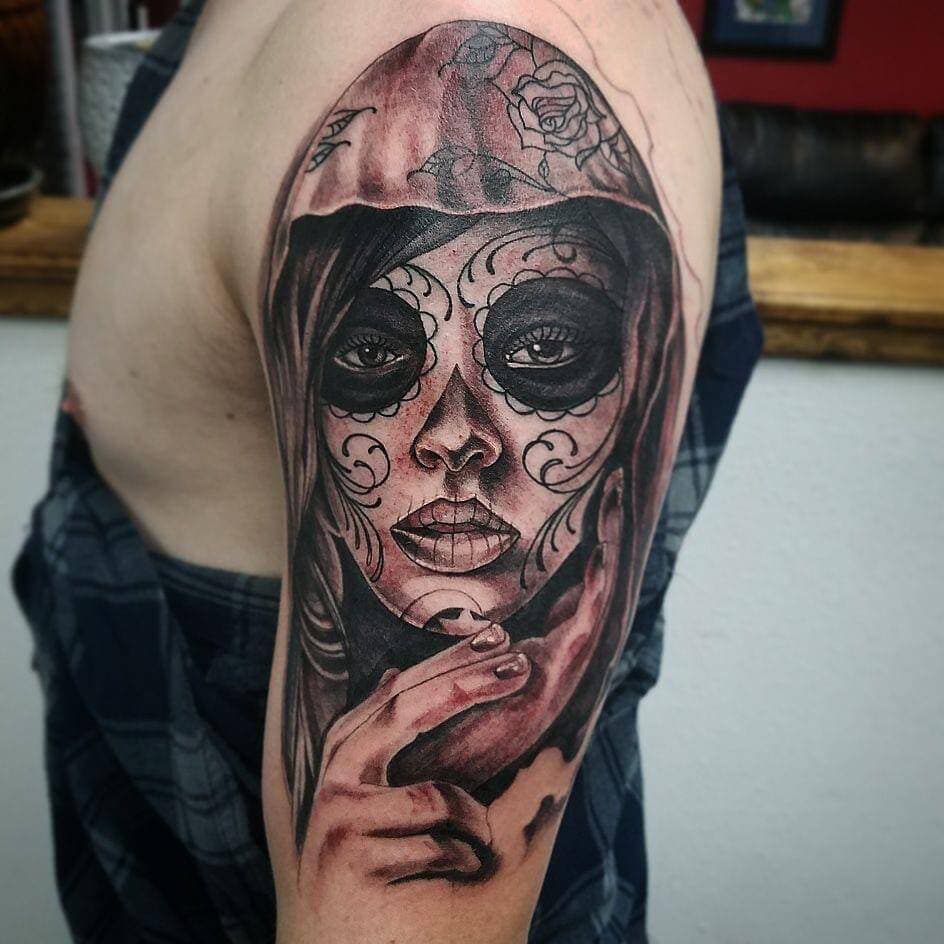
Most realism conversations start with a photo on somebody’s phone. A grandmother. A dog who died last spring. A mountain from one specific trip. Realism is the style built to render that faithfully, using gradient shading and dimensional depth instead of outline, in black and grey or in full color. It descends from fine-art portraiture and only became reliably tattooable as machines, needles, and pigments improved through the second half of the twentieth century. It’s demanding work, and it needs room to breathe, which is why a forearm usually beats a wrist. When a recognizable subject is the entire point of the tattoo, find the artist whose hand fits your reference.
Tribal Tattoos
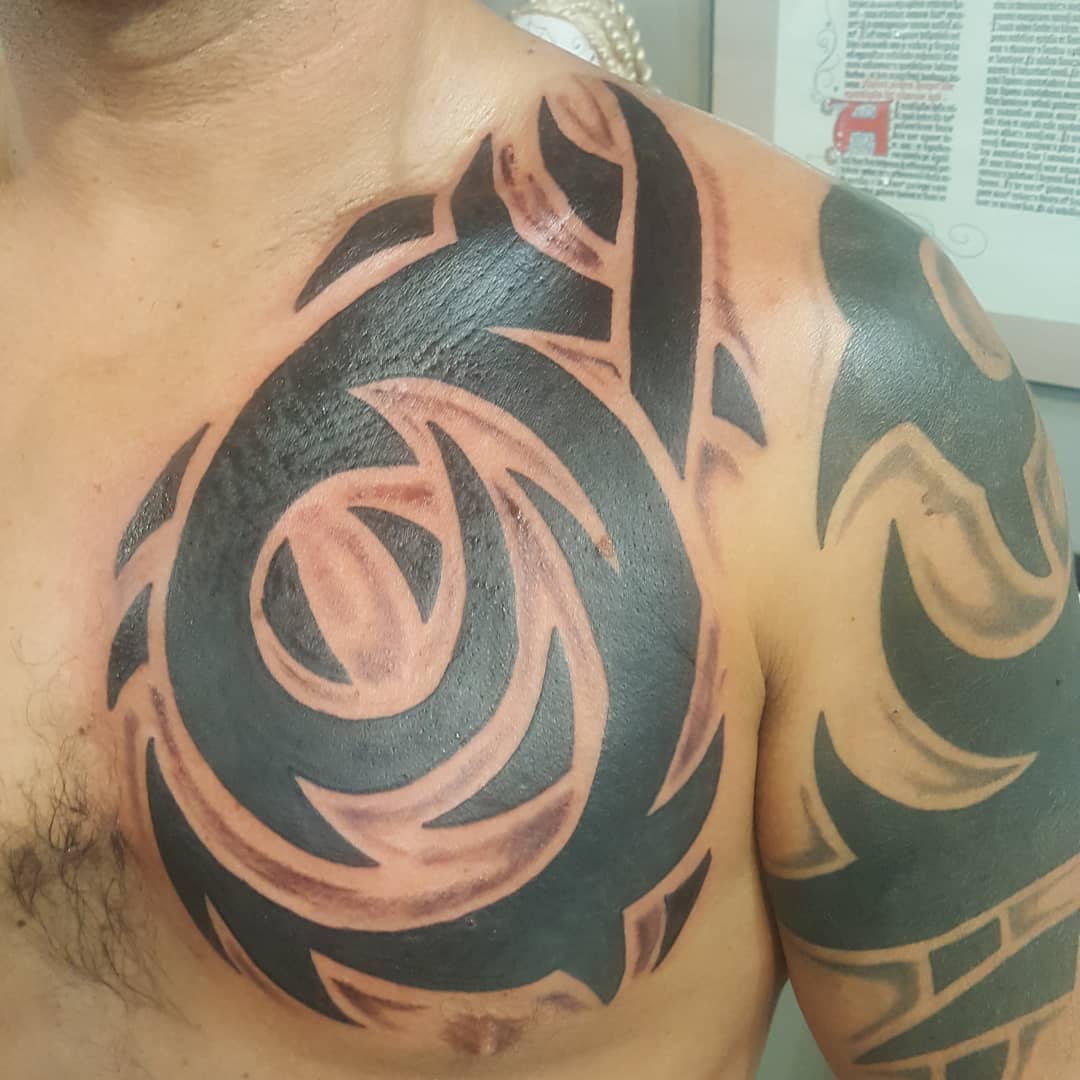
Tribal picked up a reputation in the 1990s that it never really deserved. The traditions behind it, Polynesian tattooing and Māori tā moko among them, are some of the oldest on earth, and the patterning follows rules about placement, lineage, and meaning that predate every machine in this shop. Visually you’re looking at solid black shapes, flowing repeated linework, and deliberate gaps between them. People drawn to symbolism over pictures usually feel at home in it. We’ll also talk with you about which motifs are open and which belong to a culture that isn’t yours. See what this looks like done thoughtfully.
Watercolor Tattoos

Take away the black outline and color starts behaving differently. Watercolor tattoos are built from washes, splatters, and bleeds that mimic a loaded brush on wet paper, soft where nearly every other style puts a hard edge. The look rose through the 2010s and leans hard on the artist's control, since there's no line holding anything in place. One honest note on longevity: pieces with some structure underneath, an anchor of line or dark value, hold together better over the years than a pure wash, and the painterly pieces in our portfolio show that balance. People who'd rather wear a painting than a graphic end up here.
Fine Line Tattoos
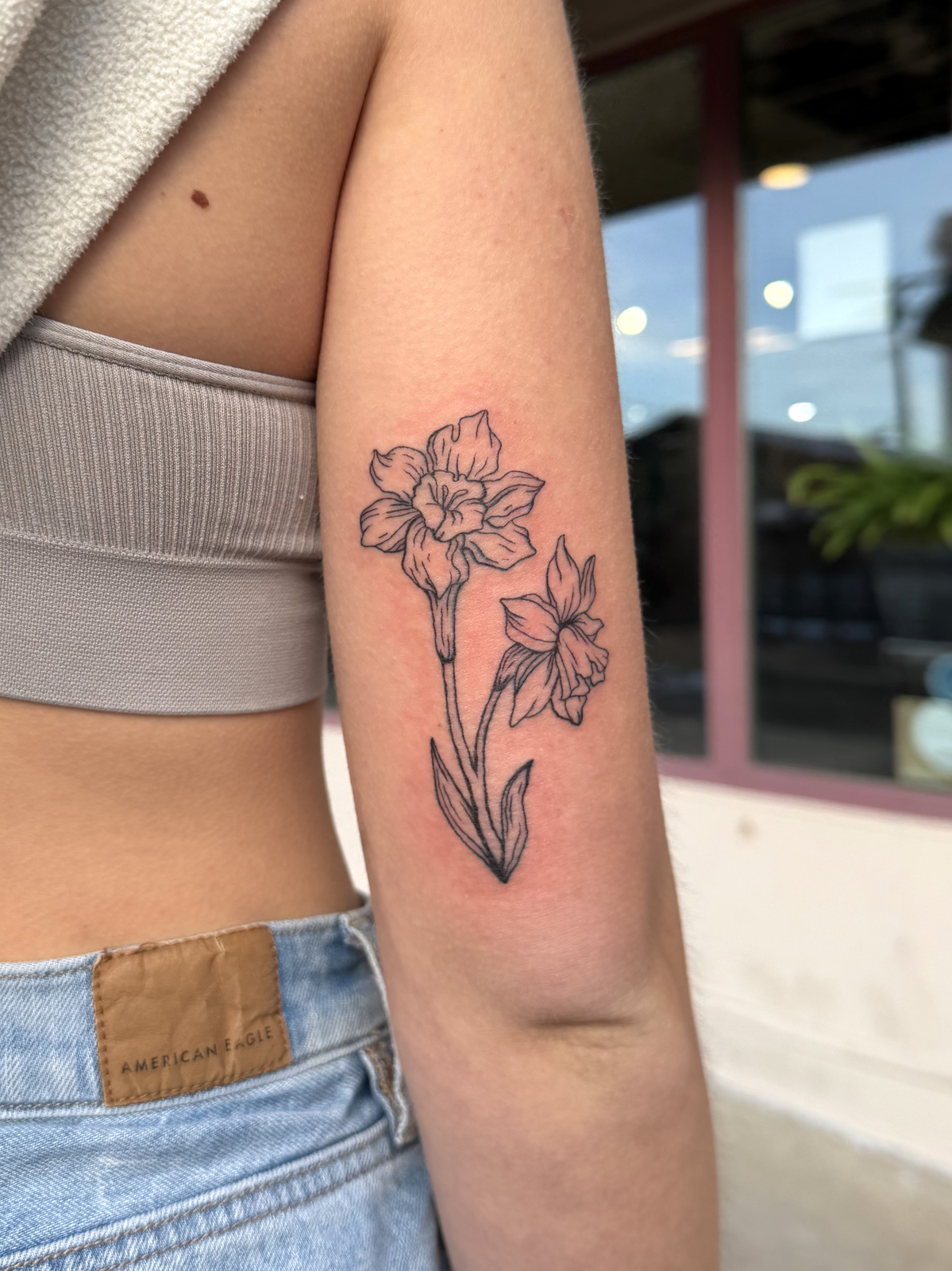
The needle grouping is the whole story here. One needle, sometimes three, producing the delicate botanicals, small script, and spare black and grey work that took over through the 2010s. Lines stay thin, shading stays minimal, and the piece often disappears at conversational distance. Two things worth saying plainly. Thin lines spread a little as they heal and again as they age, so we plan the spacing for that, and this style is fussy about placement. Plenty of first tattoos happen in fine line, and so do small additions to an already crowded arm. Check the scale and spacing on our thin-line work before you lock in a size.
Art Nouveau Tattoos
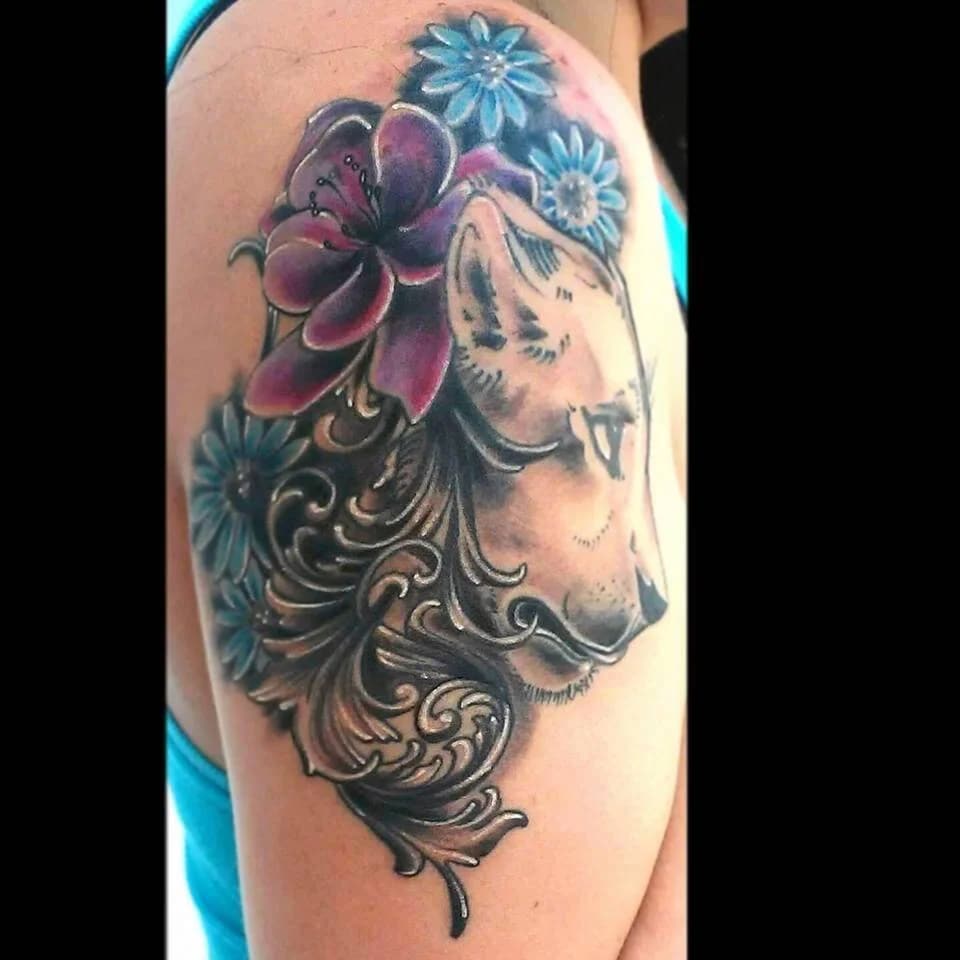
You've probably seen this movement without ever naming it: the posters, the stained glass, the ironwork of roughly 1890 to 1910. Art Nouveau put its whole faith in the curve, and it translates to skin almost unreasonably well. Whiplash lines, botanical framing, figures whose hair behaves like moving water. Those decorative frames do real structural work on a body, shaping a piece to the round of a shoulder or the length of a forearm. Maybe you've been collecting floral references for months and keep worrying they'd read plain on their own. This style gives them a setting: a border, a frame, some drama around the edges. It's worth a scroll through the ornamental work before you commit to a layout.
Anime Tattoos
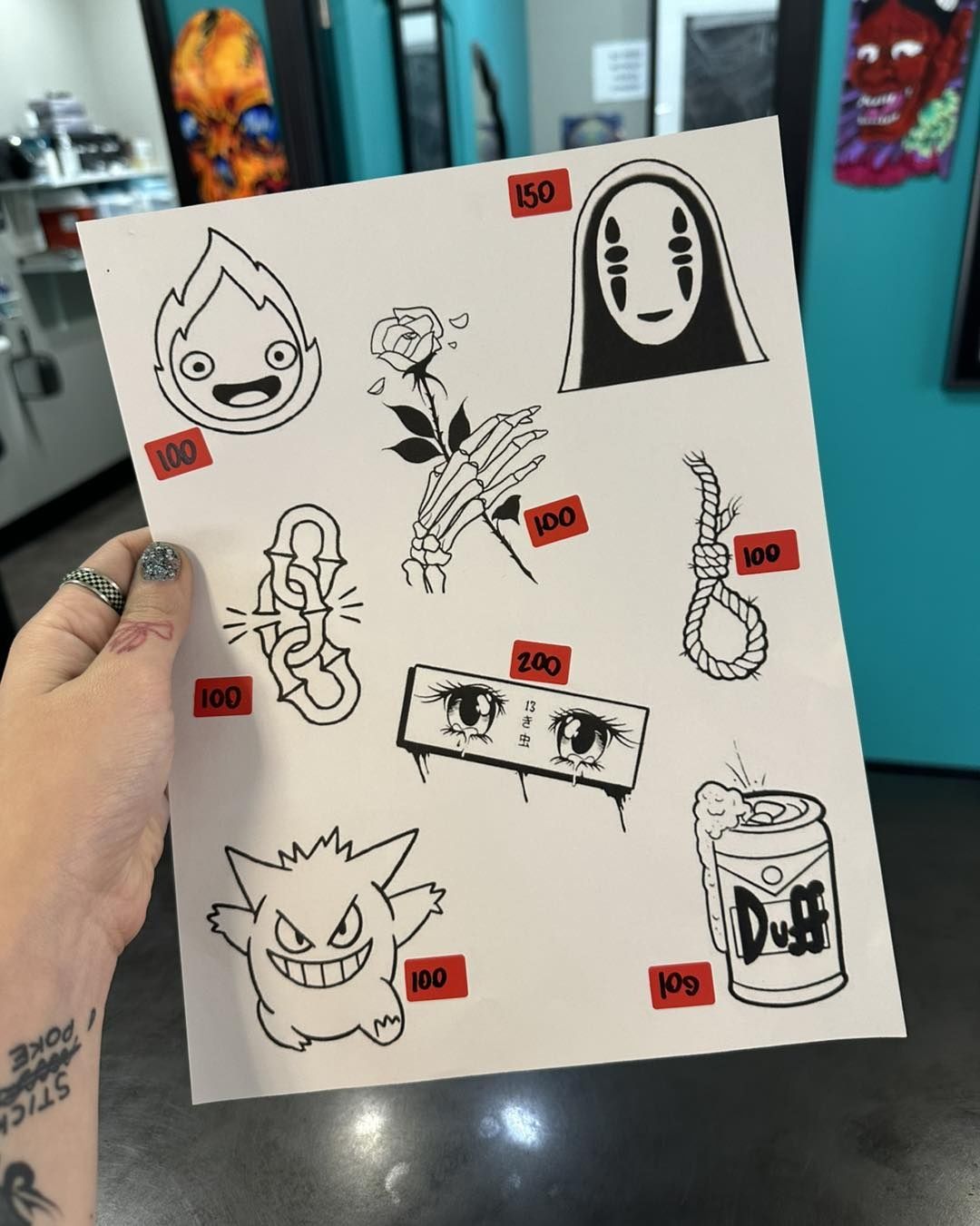
Say you want a character. Not a vague nod to a series, the actual character, drawn the way the studio drew them. Anime tattooing lives or dies on source accuracy: cel-style flats, confident outlines, and the specific eye construction and hair shapes that make a design recognizable at a glance. Get it slightly wrong and everyone who knows the source can tell, which is most of the people who'll ever see it. So we work from good reference, and we ask which scene or panel actually matters to you. Fans who care about that level of detail should see whose linework matches their series.
Cybersigilism Tattoos
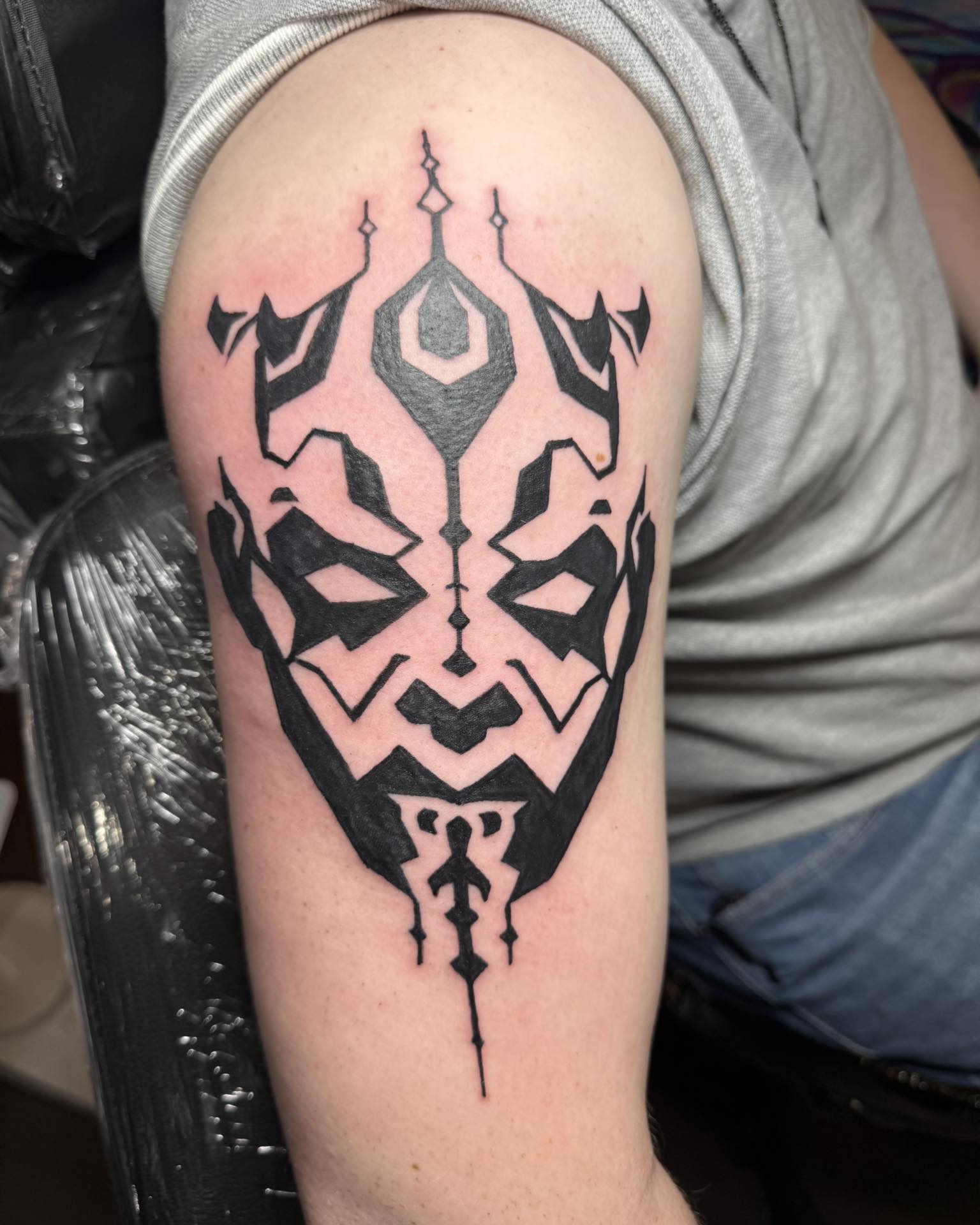
Somewhere around 2022, thin spiked linework started turning up on every mood board that came through the shop. Cybersigilism reads like tribal's angular vocabulary run through a digital filter: sharp points, thorn forms, stretched symmetry, mostly black and grey, usually flowing along a limb or a spine instead of sitting in a tidy frame. Newer style, shorter track record. Those fine spikes need real spacing to stay crisp as they settle, and we'll be straight with you about that in the chair. Anyone hunting a modern answer to tribal or blackwork should look at how our artists build these pieces.
Choosing a Tattoo Style That Fits You
Every tattoo style on this page is a set of technical decisions before it's a set of images. Line weight, color, shading, how the composition sits on a body. The same idea can be built eleven different ways, and none of them is wrong.
You don't have to pick one and stay inside it. Some of our best work borrows a Japanese composition and finishes it in heavy black. Ask us. That's a normal request here.
If you're stuck between two styles, or you just know you want something, book a free consultation. You'll sit down with an artist at our shop on the Delmar Loop in St. Louis, talk it through, and leave with a direction. We've been part of the scene in this neighborhood long enough to keep artists working in all eleven styles under one roof. Nobody's going to push you to book before you're ready.