



Watercolor tattoos bring a soft, painterly feel to the skin, using blended colors, delicate gradients, and flowing shapes that mimic the look of watercolor art. They’re expressive, vibrant, and often deeply personal, drawing inspiration from brushstrokes, splashes, and abstract color movement.
Around St. Louis, watercolor tattoos have become a favorite for people who want something artistic and fluid rather than bold and heavily outlined. Enigma Tattoos is a St. Louis tattoo shop featuring artists who enjoy working in watercolor style, helping clients turn their ideas into custom tattoos that feel alive with color and motion.
In this guide, you’ll learn what defines watercolor tattoos, how they’re created, what to consider when choosing a design, the origins behind the style, and what to look for when getting a watercolor tattoo in St. Louis. Whether you love soft pastels or bold, paint-like ink saturation, watercolor tattoos offer endless creative possibilities for your new tattoo.
What Are Watercolor Tattoos?
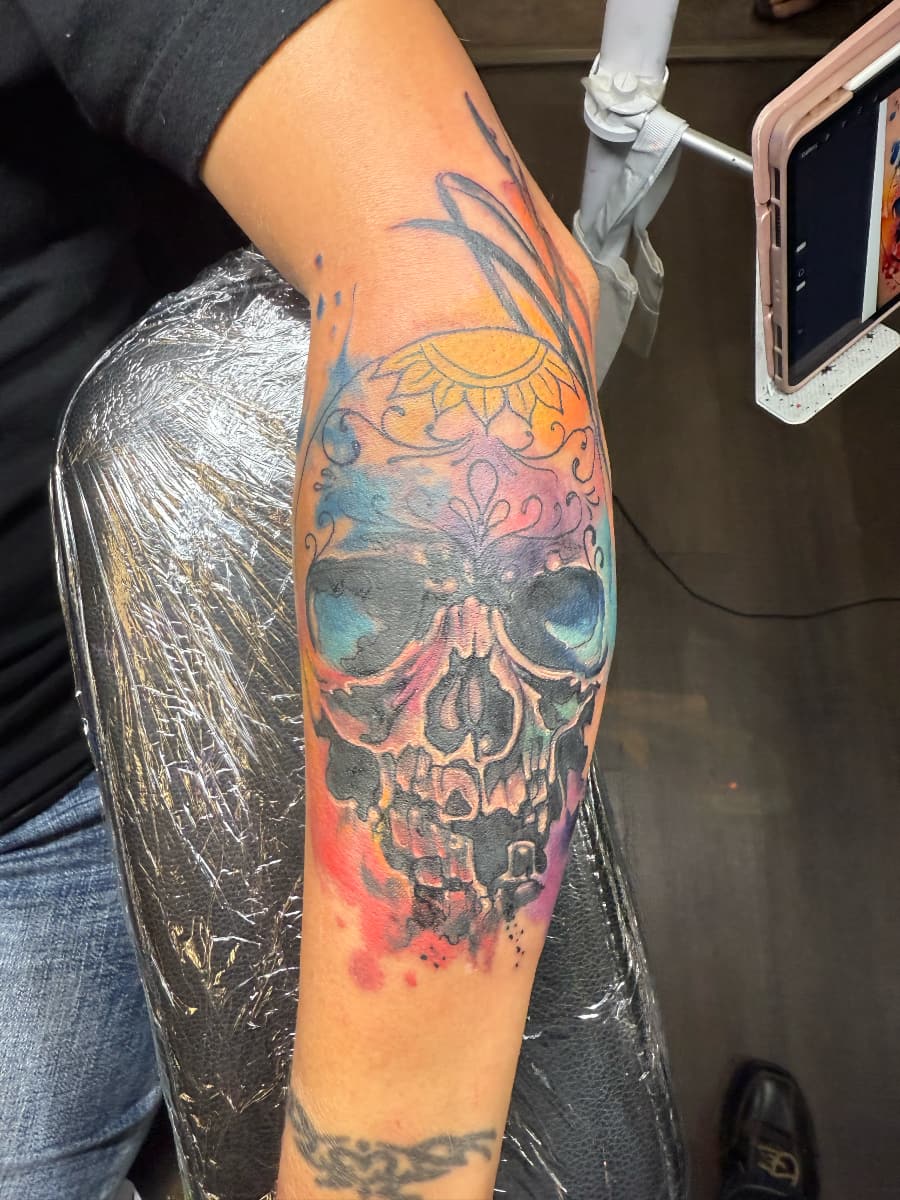
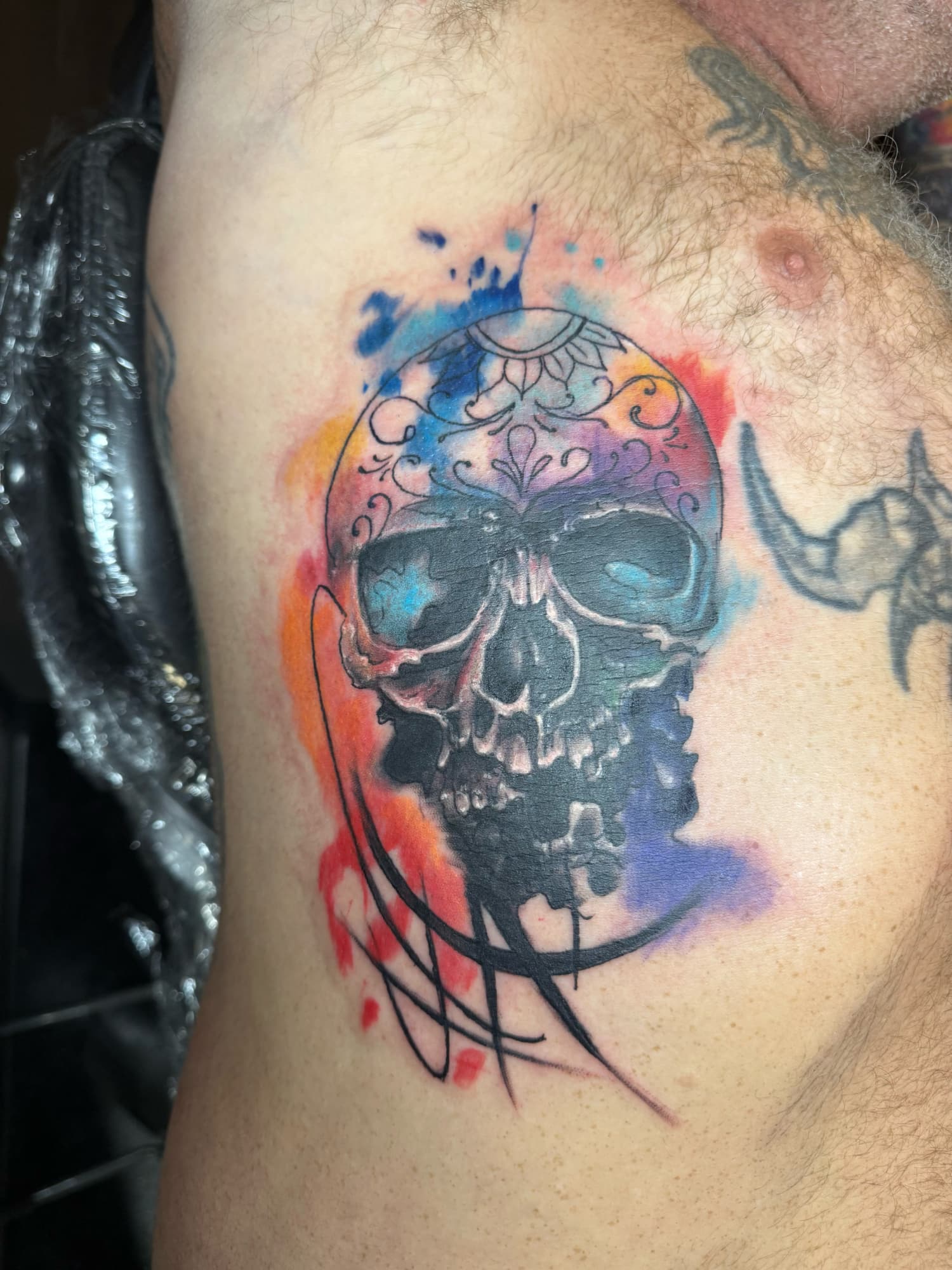
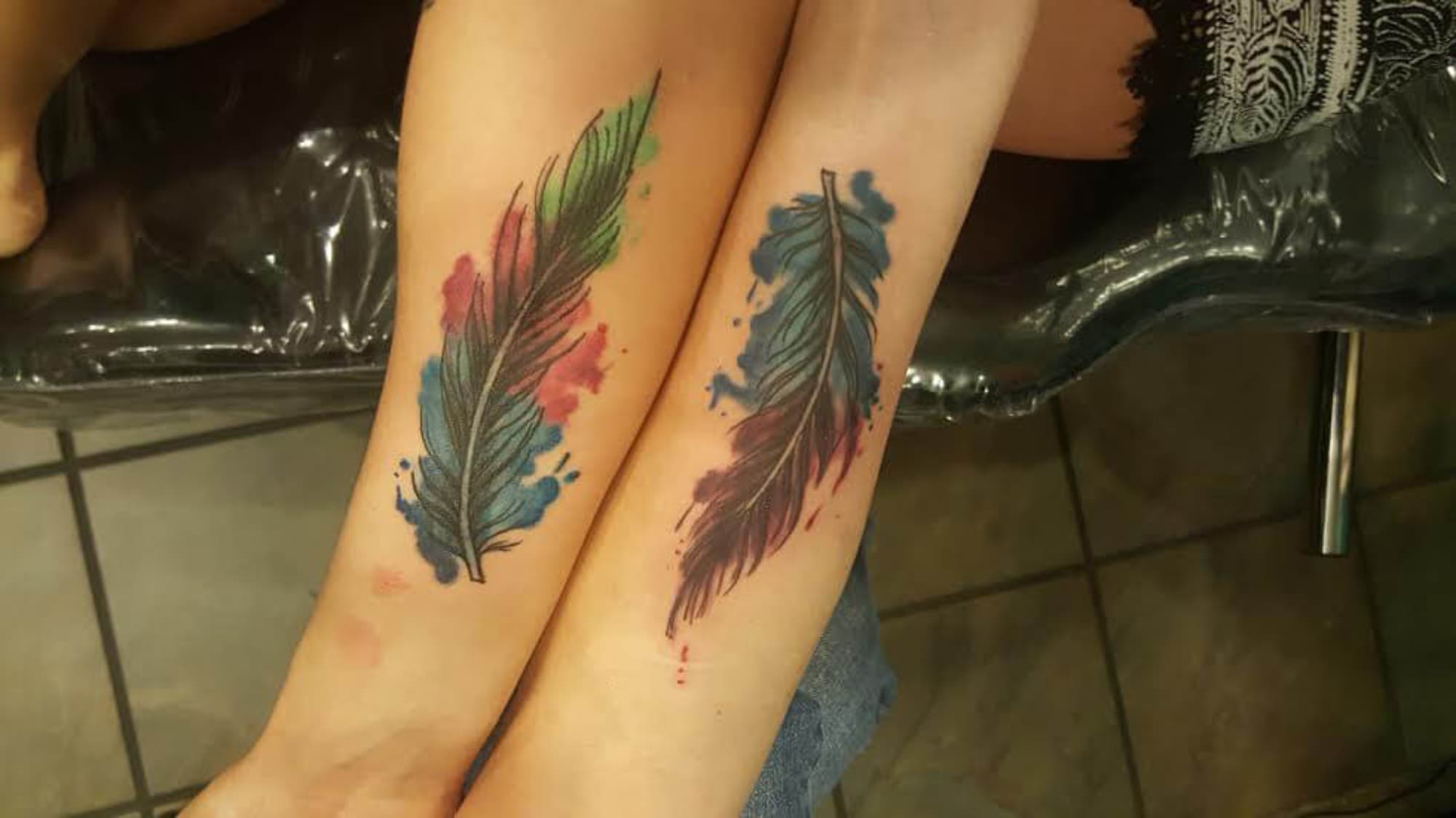
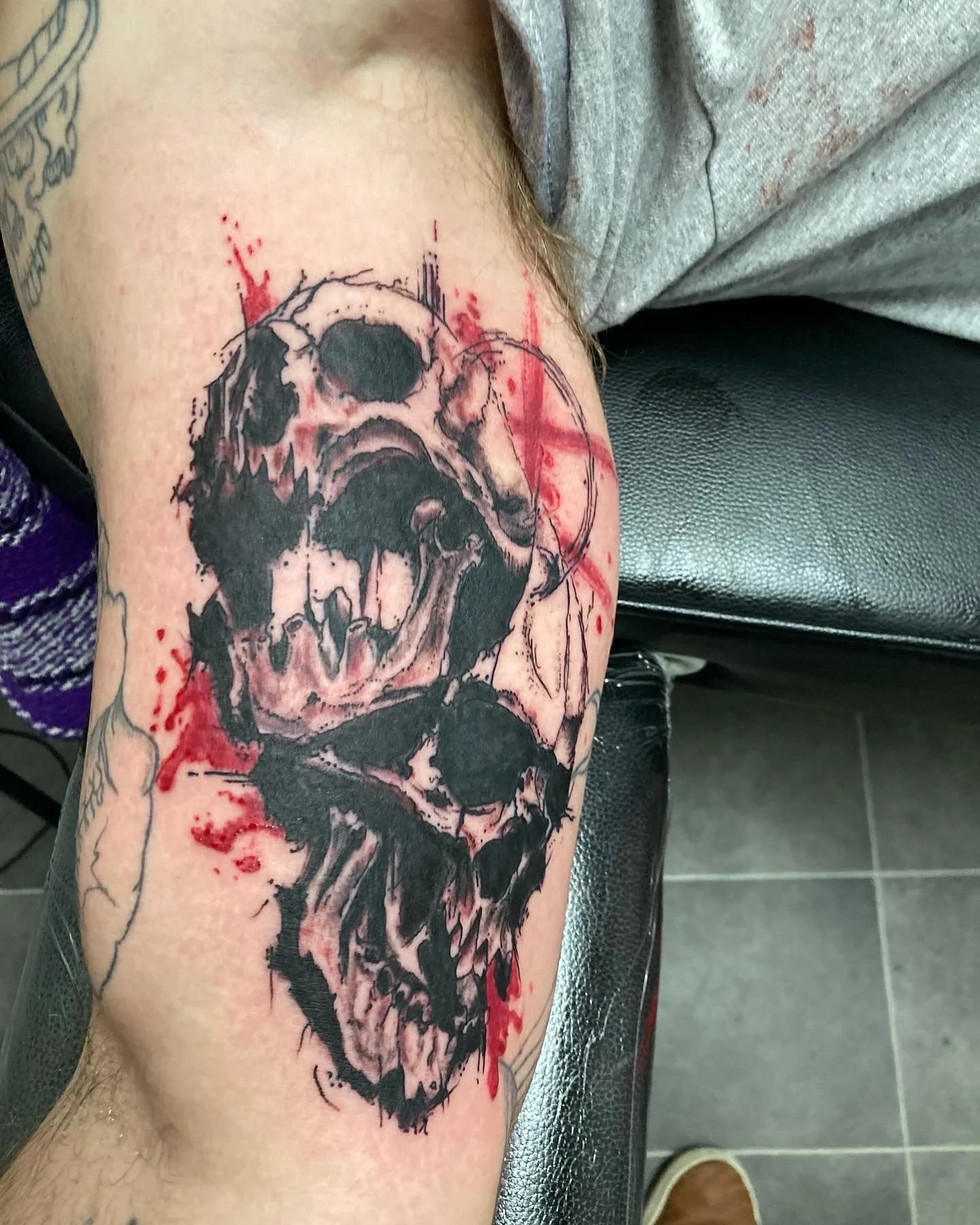
Watercolor tattoos are a modern method of tattooing that mimics the fluid, blended look of actual watercolor paintings. Instead of relying on strong outlines or heavy shading, this style uses soft transitions, gradual color fades, water droplets, and brushstroke-inspired marks to create an airy, painted effect on the skin. Many watercolor tattoos look as though they were painted directly onto the body, with tattoo ink colors that flow and disperse rather than sitting inside hard borders.
While some watercolor tattoos incorporate minimal black line work, others skip outlines entirely, relying on color movement to define the shape. Techniques like layering, subtle washes, and controlled blending help create depth without traditional tattoo structure. The color palette can range from delicate pastels to bold, saturated hues, depending on the design and the tattoo artist’s approach.
What makes watercolor tattoos distinct as tattoo art is their emphasis on emotion and expression. They capture softness, spontaneity, and artistic freedom in a way few other tattoo styles do. For many clients, watercolor tattoos feel more like wearable art than traditional tattoo imagery, offering a unique way to transform ideas, memories, or motifs into color-driven, creative designs.
What Are the Hallmarks of the Watercolor Tattoo Style?
Watercolor tattoos often stand out compared to regular tattoo styles because they focus on softness, movement, and expressive color ink. Instead of crisp linework or heavy shading, the techniques of watercolor tattoos rely on blending and layering to create a painterly look inspired by traditional watercolor artwork.
Here are the defining hallmarks of this style of tattoo:
- Soft, blended transitions that create gentle gradients
- Brushstroke-inspired marks that mimic paint movement
- Minimal or no black outlines for a more organic, fluid look that allows colors to bleed beautifully
- Splashes, drips, and washes that add artistic texture
- Layered color effects that build depth without heavy contrast
- Pastel or vivid palettes depending on the design’s mood
- Abstract elements that enhance motion and expression
- Light, airy composition with intentional negative space
Clients are drawn to watercolor tattoos for their expressive, artistic feel and the ability to capture emotion through color rather than structure. The type of tattoo is ideal for people who prefer softness over boldness and want a new tattoo that feels visually unique and artistic.
Popular Watercolor Tattoo Design Ideas
Watercolor tattoos offer endless creative possibilities because they beautifully with both abstract and representational imagery. The flowing, delicate nature of watercolor allows designs to feel expressive, emotional, and visually dynamic with colors that bleed together seamlessly.
Here are some of the most popular watercolor tattoo ideas for your next piece:
- Floral designs with soft petals, subtle gradients, and diffused color
- Animals or birds enhanced with droplets, brushstrokes, or color accents
- Abstract color washes that feel loose, expressive, or mood-driven
- Butterflies and insects with delicate transitions and painterly details
- Constellations and celestial themes surrounded by watercolor clouds or halos
- Landscapes or nature scenes interpreted with fluid color movement
- Silhouettes filled with blended watercolor hues
- Lyrics or quotes accented by soft drips or color trails
- Watercolor galaxies using blues, purples, and layered cosmic effects
- Mythical creatures like phoenixes, dragons, or mermaids rendered with soft, glowing color
These ideas can be customized, combined, or built from personal imagery, making watercolor pieces a deeply creative way to express emotion, memory, and artistic style through body art.
History of Watercolor Tattoos
A relatively modern addition to the tattoo world, watercolor tattoos gained popularity in the late 2000s and early 2010s as tattoo artists began experimenting with new ways to mimic fine art techniques on the skin. Unlike older tattoo styles that developed over centuries, watercolor tattoos emerged from contemporary art influences, digital illustration trends, and advancements in tattoo machines and pigments that allowed for softer blends and more nuanced ink work.
While there is no single founder of the style, several watercolor tattoo artists around the world helped shape its early evolution by pushing the boundaries of color layering, negative space, and outline-free designs. The rise of social media and online art communities also played a major role, allowing watercolor-style pieces to spread quickly and gain global attention.
The style draws inspiration from traditional watercolor painting, abstract expressionism, and the visual language of modern illustration. Today, watercolor tattoos continue to evolve as artists refine techniques for longevity, structure, and color retention. Though historically newer than most tattoo genres, watercolor has established itself as a widely recognized and beloved style for clients who want softness, vibrancy, and expressive color.
Getting a Watercolor Tattoo in St. Louis
If you want to get a tattoo done in a watercolor design, it’s important to choose a skilled artist who understands both color theory and the unique blending techniques required for this custom tattoo style. Because watercolor tattoos rely on soft gradients and layered hues instead of bold outlines, they demand a high level of control, especially when creating smooth transitions or intentional splashes. When reviewing tattoo artist portfolios in St. Louis, look for healed examples to see how the ink settles and how the composition holds up over time.
A knowledgeable tattoo artist will explain how placement, skin tone, aftercare, and the use of minimal line work can affect how long watercolor tattoos last. They might suggest incorporating light structure or subtle foundational lines to help the tattoo age gracefully while still preserving its airy, painterly look. Watercolor tattoos are especially customizable, so bringing reference images and discussing the emotions or themes behind your idea can help the artist design something that feels personal and expressive.
Enigma Tattoos features expert tattoo artists who enjoy working in watercolor styles and can help you translate your concept into a vibrant, flowing piece. Take your time browsing portfolios and talking through your ideas. A collaborative consultation ensures that your watercolor tattoo will feel both beautiful and thoughtfully crafted.