


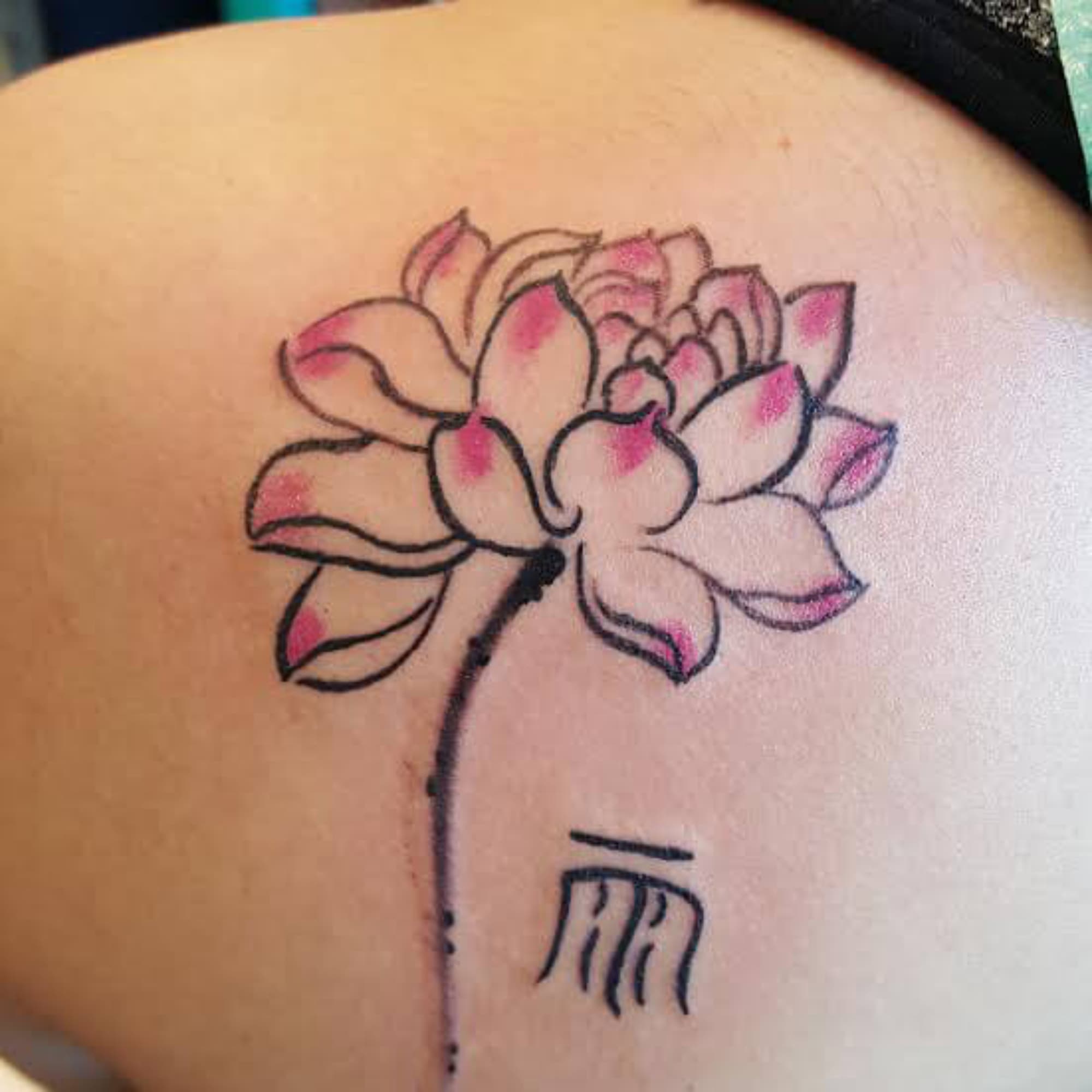
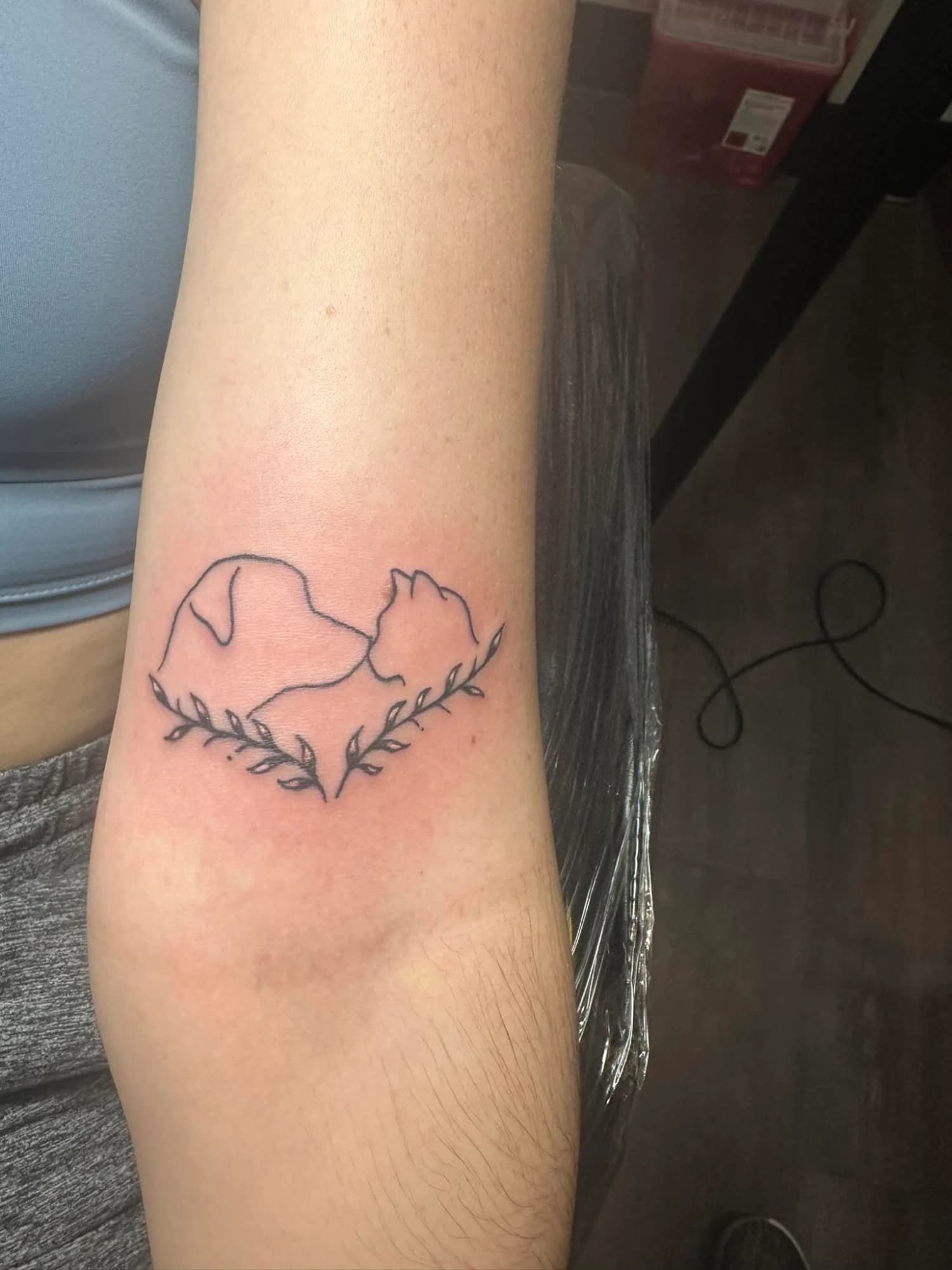


Clean lines, quiet detail, and a lighter touch define the appeal of fine line tattoos. This black and grey tattoo style has grown in popularity for people who want something subtle but still deeply intentional. Around St. Louis, fine line work has become a go to choice for first tattoos, meaningful symbols, and bolder designs that feel personal without being loud.
Rather than relying on bold outlines or heavy shading, fine line tattoos generally focus on precision and restraint. The result feels airy, elegant, and like a thoughtfully composed work of art. Many clients are drawn to how these tattoos age when done well and how easily they fit into everyday life.
At Enigma Tattoos in St. Louis, MO, we approach fine line tattoos with patience and technical care. Artists here understand that this style leaves little room for error, which is exactly why experience matters. In this guide, we will break down what defines fine line tattoos, common design ideas, the traditional tattoo styles it comes from, and what to consider if you are thinking about getting one in St. Louis.
What Are Fine Line Tattoos (single needle tattoos)?
At their core, fine line tattoos are defined by the use of very thin, single needle or tight needle groupings to create clean, delicate lines. Instead of bold outlines, the design relies on subtlety and control. Every mark is intentional, and even small inconsistencies can change the look of the piece. This style often emphasizes negative space, minimal shading, or soft gradients rather than dense fill. Because the lines are so refined, fine line tattoos tend to feel lighter on the skin and visually quieter than traditional or illustrative styles. The goal is clarity without heaviness, allowing the design to breathe.
You will often see fine line work used for script, botanical imagery, geometric shapes, or small symbolic designs. That said, the style is not limited to tiny tattoos. Larger compositions can also be done in fine line, as long as spacing, flow, and line weight are planned carefully from the start.
What truly sets fine line tattoos apart is the technical demand and attention to detail required by the tattoo artist. Proper depth, consistent pressure, and an understanding of how skin heals are critical. When executed by an experienced artist, fine line tattoos can heal cleanly and maintain their elegance over time. When rushed or poorly applied, they can blur or fade unevenly. That difference makes artist selection especially important with this style.
What Are the Hallmarks of the Fine Line Tattoo Style?
Precision sits at the center of fine line tattooing. This intricate tattoo style depends on control, consistency, and thoughtful design choices that support delicate line work rather than overpower it.
Common hallmarks include:
- Thin, consistent line weights that stay even from start to finish without wobble or blowout.
- Minimal or no heavy shading, often replaced by soft stippling, light gradients, or open skin to enhance the minimalist aesthetic.
- Intentional use of negative space to define shapes instead of filling them in.
- Simplified compositions that prioritize readability over complexity.
- Careful spacing between lines, allowing the tattoo to age more gracefully as the skin changes.
- Subtle detail work that rewards close viewing rather than immediate impact.
Many clients appreciate the beauty of fine line tattoos for their understated look. The designs feel personal, refined, and easy to live with day to day. This style also lends itself well to placements where bold tattoos might feel overwhelming, such as wrists, collarbones, ribs, or behind the ear.
What makes these hallmarks especially important is longevity. Because the lines are so fine, a skilled artist must balance delicacy with durability. Proper technique ensures the tattoo remains legible and elegant years down the line rather than fading into a blur as these tattoos heal. That balance is what separates high quality fine line work from trends that do not hold up.
Fine Line Tattoo Aftercare
Proper aftercare and healing are especially important with fine line tattoos. Because the lines are delicate, keeping the tattoo clean, light moisturizing, and avoiding friction during healing all play a role in how fine line tattoos heal. Overworking the skin or improper aftercare can cause fine lines to fade or blur more quickly than intended. When cared for correctly, fine line tattoos can heal crisp and clear, maintain the tattoo’s subtle detail long after the initial healing phase.
Popular Fine Line Tattoo Ideas
Design flexibility is one of the reasons fine line tattoos appeal to such a wide range of people. Unlike traditional tattoos, the style adapts easily to different subjects while keeping a light, refined feel. Many tattoo designs focus on meaning, symbolism, or visual balance rather than bold impact.
Popular fine line tattoo ideas include:
- Botanical elements like flowers, leaves, herbs, or single stem florals with clean outlines that showcase intricate details.
- Delicate script or lettering, including names, dates, or short phrases in custom handwriting.
- Minimal animal imagery, often reduced to essential lines or subtle facial details.
- Geometric shapes and patterns that rely on symmetry and spacing rather than heavy lines.
- Celestial motifs such as moons, stars, constellations, or planetary symbols.
- Micro realism accents, where tiny details suggest depth without full shading.
- Abstract line compositions that focus on flow and movement across the body.
- Cybersigilism tattoo designs featuring futuristic symbols, circuit patterns, and mystical geometry rendered in delicate line work.
- Personal symbols created from meaningful objects, memories, or shared experiences.
Placement often plays a big role in fine line design. Wrists, forearms, ankles, collarbones, and along the spine are common choices, but the final decision should account for skin movement and how the tattoo will age. A thoughtful artist will help adjust scale and spacing so the design stays clear long term.
History of Fine Line Tattoos
Fine line tattooing may feel modern, but its roots stretch back through several traditional tattooing practices that value precision over boldness. Early examples can be seen in Asian tattoo practices, particularly in Japanese irezumi line studies and Chinese brush influenced imagery, where controlled lines formed the foundation before color and shading were added.
In the Western world, fine line body art gained traction as tattoo machines, needles, and inks became more refined. Smaller needle groupings allowed artists to experiment with precise lines and lighter applications. This technical evolution opened the door for tattoos that looked more like drawings on skin rather than graphic illustrations.
A major shift happened in the late twentieth and early twenty first centuries as tattooing crossed into fashion, fine art, and design spaces. Minimalism, contemporary illustration, and micro realism all influenced the rise of fine line tattoos. Social media further accelerated the style’s visibility, highlighting delicate work that photographed well and appealed to a broader audience.
Today, fine line tattooing is recognized as a discipline that demands strong fundamentals and long term thinking. Reputable tattoo publications like Tattoo Life and Inked Magazine, along with archival collections such as the Tattoo Archive at the National Tattoo Museum, have documented this shift toward refinement and restraint. What began as a technical experiment has become a lasting style rooted in skill, intention, and careful execution.
Finding a Fine Line Tattoo Artist in St. Louis
Choosing the right artist matters with any custom tattoo, but it becomes especially important with fine line work. Because the lines are thin and the margin for error is small, experience and technical consistency should come before trend or price.
When reviewing fine line tattoo artist portfolios, look closely at healed photos rather than fresh tattoos alone. Clean edges, even line weight, and clear spacing are strong indicators of quality. It also helps to notice how the tattoo artist adapts designs to different body placements, since fine line tattoos rely heavily on thoughtful scale and flow.
Communication plays a big role as well. A good fine line artist will talk through size adjustments, placement considerations, and aftercare expectations. They should be honest about what will age well and what might need reworking to last over time.
At Enigma Tattoos in St. Louis, we specialize in fine line tattoos and approach every piece with patience and precision. The best fine line tattoo artists at Enigma focus on intentional design, proper technique, and long term results rather than rushing the process. Whether you are planning your first tattoo or adding something meaningful to an existing collection, working with an experienced local studio helps ensure your fine line tattoo stays crisp, balanced, and personal for years to come.
2 thoughts on “Fine Line Tattoos”