







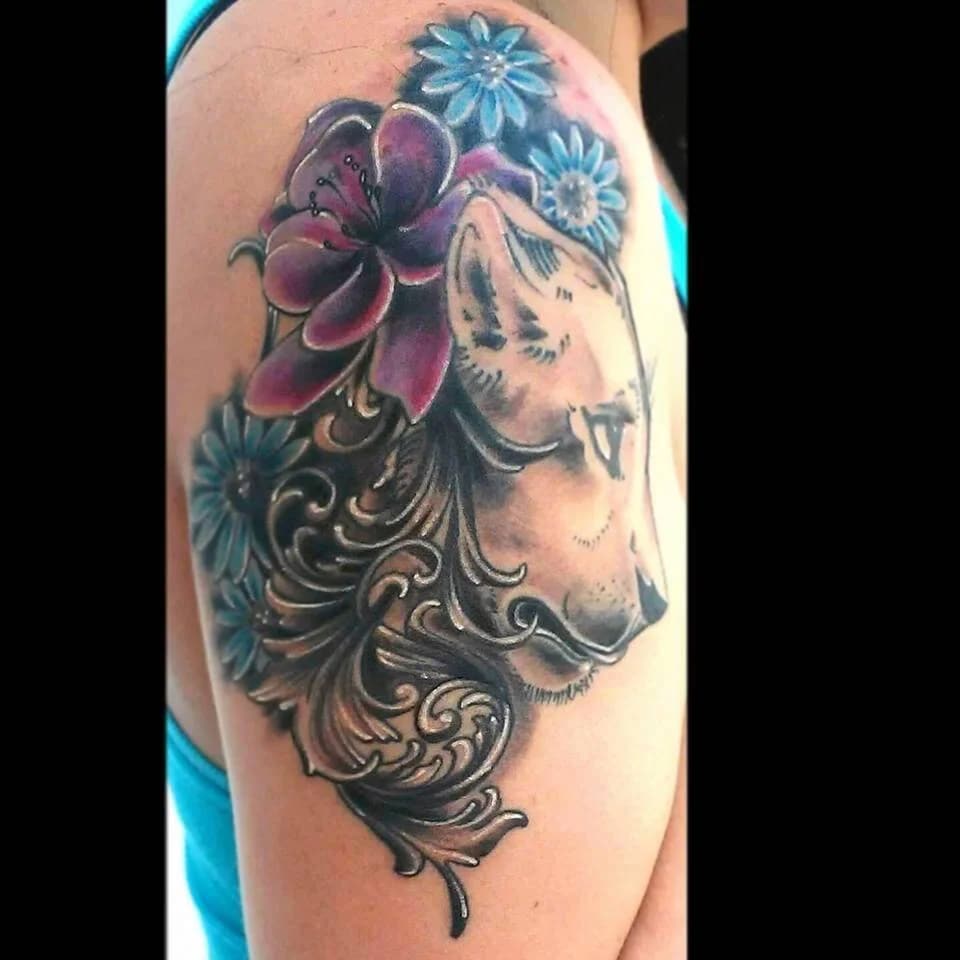


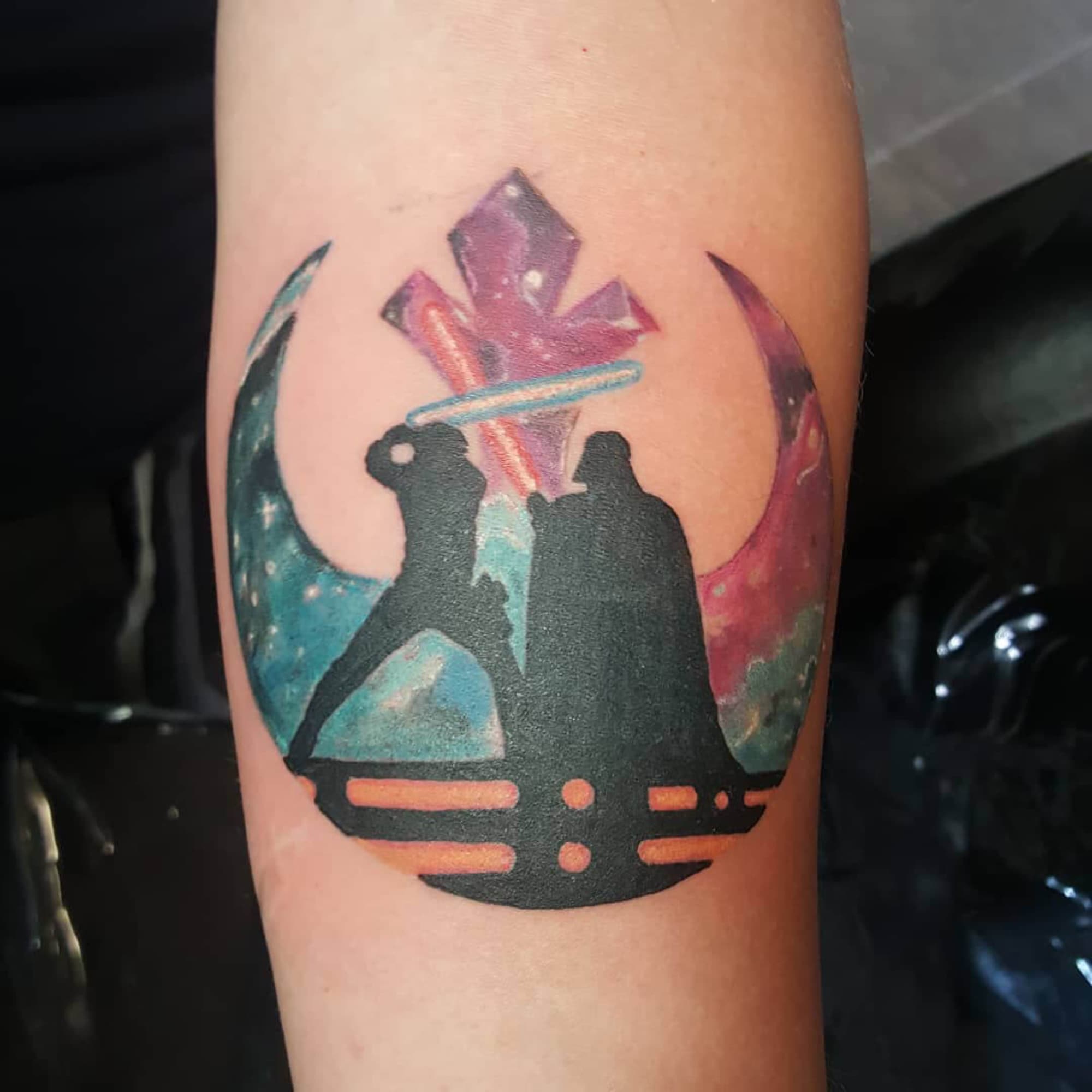

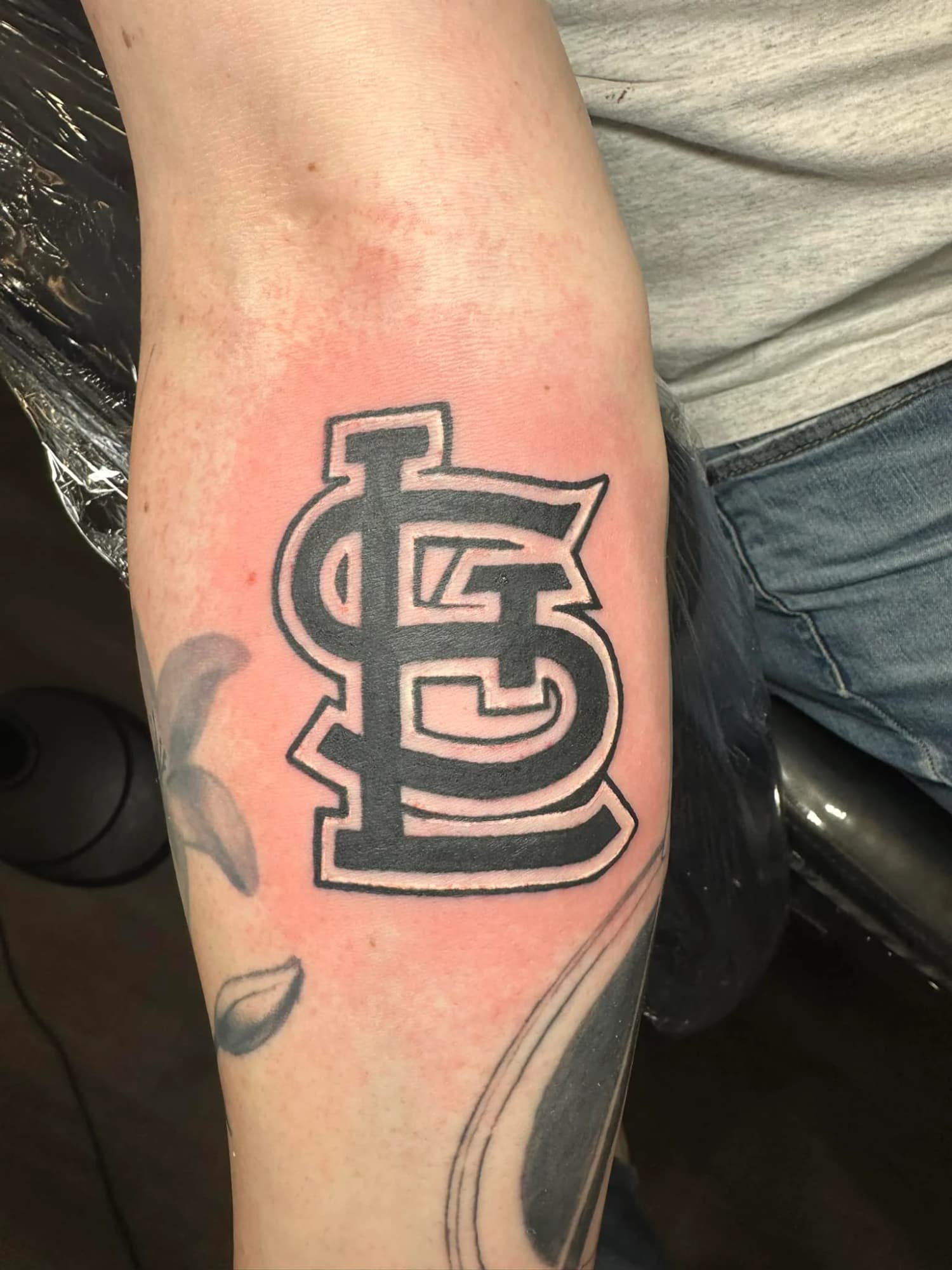
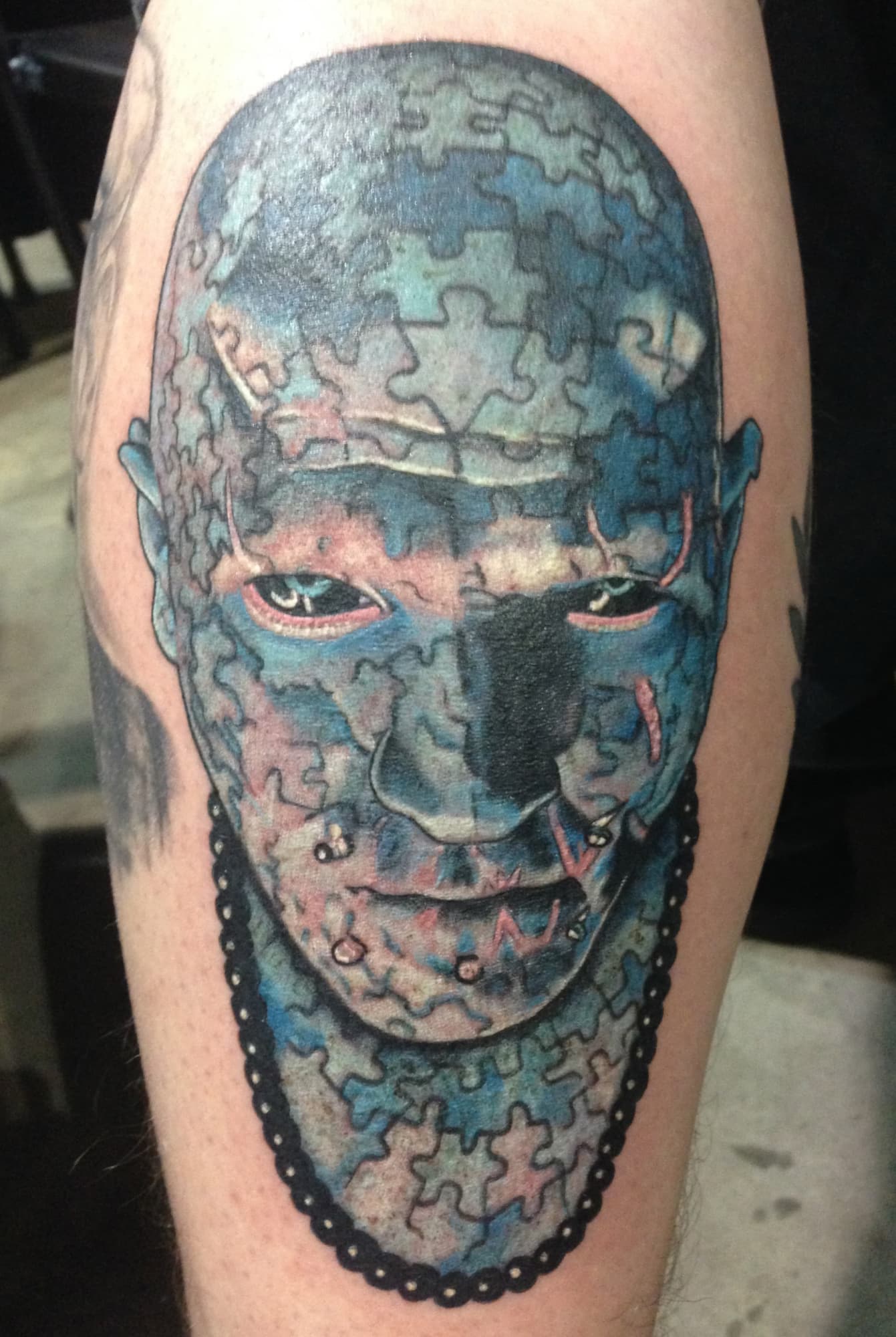

Most people spend more time thinking about their first tattoo than they’d like to admit. They save references for months, scroll Instagram at midnight, second-guess every idea, and still feel unprepared the moment they walk through a shop door. That’s normal. Getting your first tattoo is a real decision. It also doesn’t have to be as complicated as it feels.
Here’s what actually matters.
Start with a Direction, Not a Final Answer
You don’t need to walk in with a finished design. A direction, a feeling, a few references you’ve saved are enough for a good tattoo artist to work with. Knowing the general style you’re drawn to is more useful than having a perfectly polished concept that nobody can execute well.
Think about what you actually want to look at on your body for the next few decades. Personal imagery, something abstract, a style you’ve always loved: all valid starting points. If you have a specific idea but can’t commit to a size or placement yet, that’s fine. Those decisions get easier in conversation with your artist.
Flash tattoos are also worth knowing about. Flash is pre-drawn artwork a shop has available to tattoo, often at a set price, and it’s a great option if you want something intentional without designing from scratch. Some of the best first tattoos are flash pieces.
Whatever direction you’re coming from, bring references. Even rough ones. Images communicate faster than descriptions, and a good artist will use them as a jumping-off point rather than a blueprint.
Know the Styles: It Changes Everything
The style of your tattoo shapes every other decision: how long it takes, how it ages, what artist is right for it, and how it reads on skin. Spending a little time researching styles before your appointment means you’ll have a much clearer conversation with your artist.
A few common tattoo styles to look into:
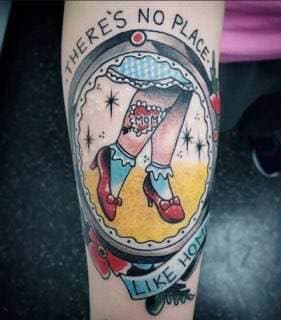
- Traditional and neo-traditional tattoos use bold outlines and a limited color palette. They hold up exceptionally well over time.
- Fine line work uses thin, delicate linework for a lighter, more minimal look. Placement matters more with this style, since fine lines can blur in certain spots.
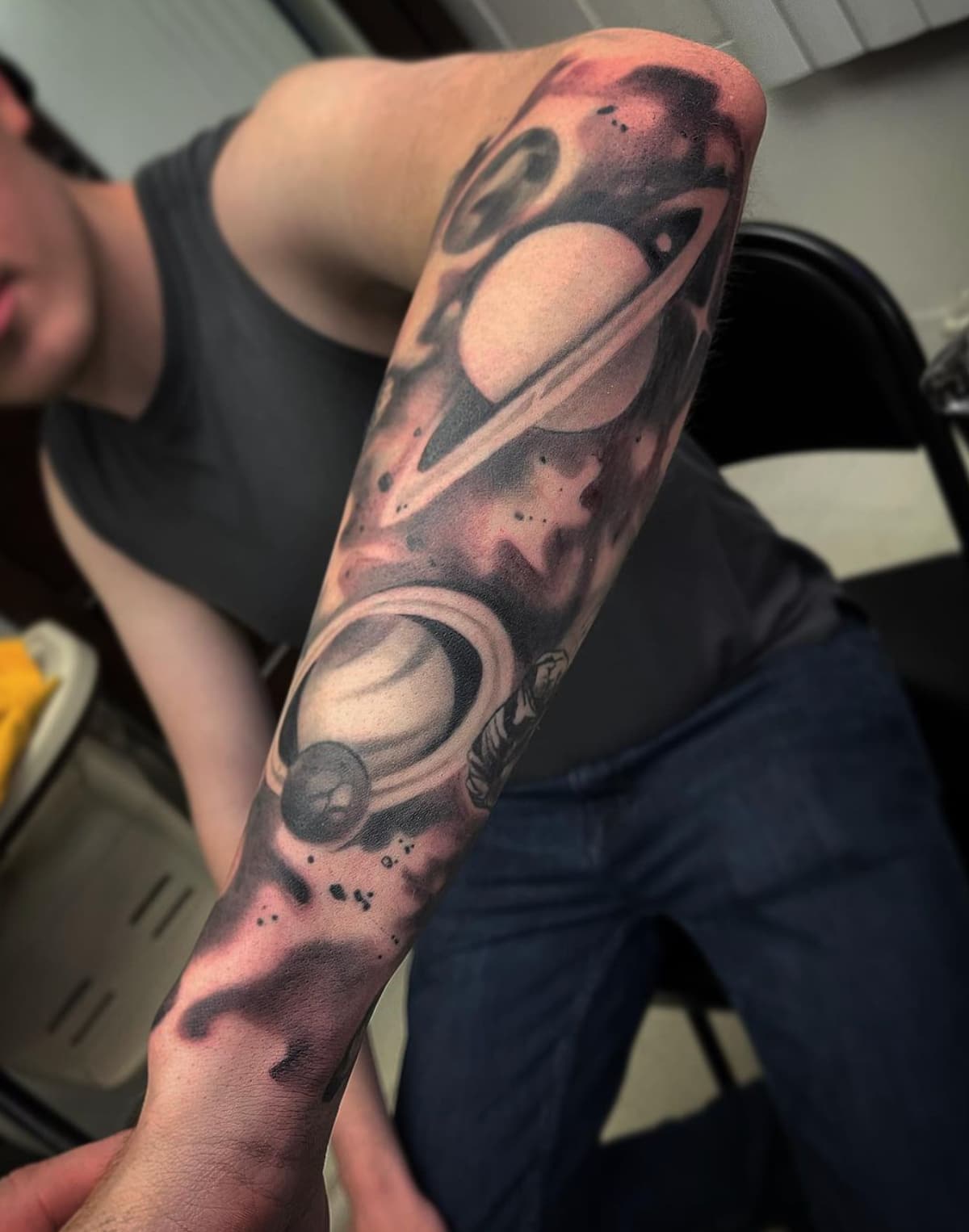
- Blackwork covers a wide range of designs built entirely in black ink, from bold geometric patterns to illustrative pieces.
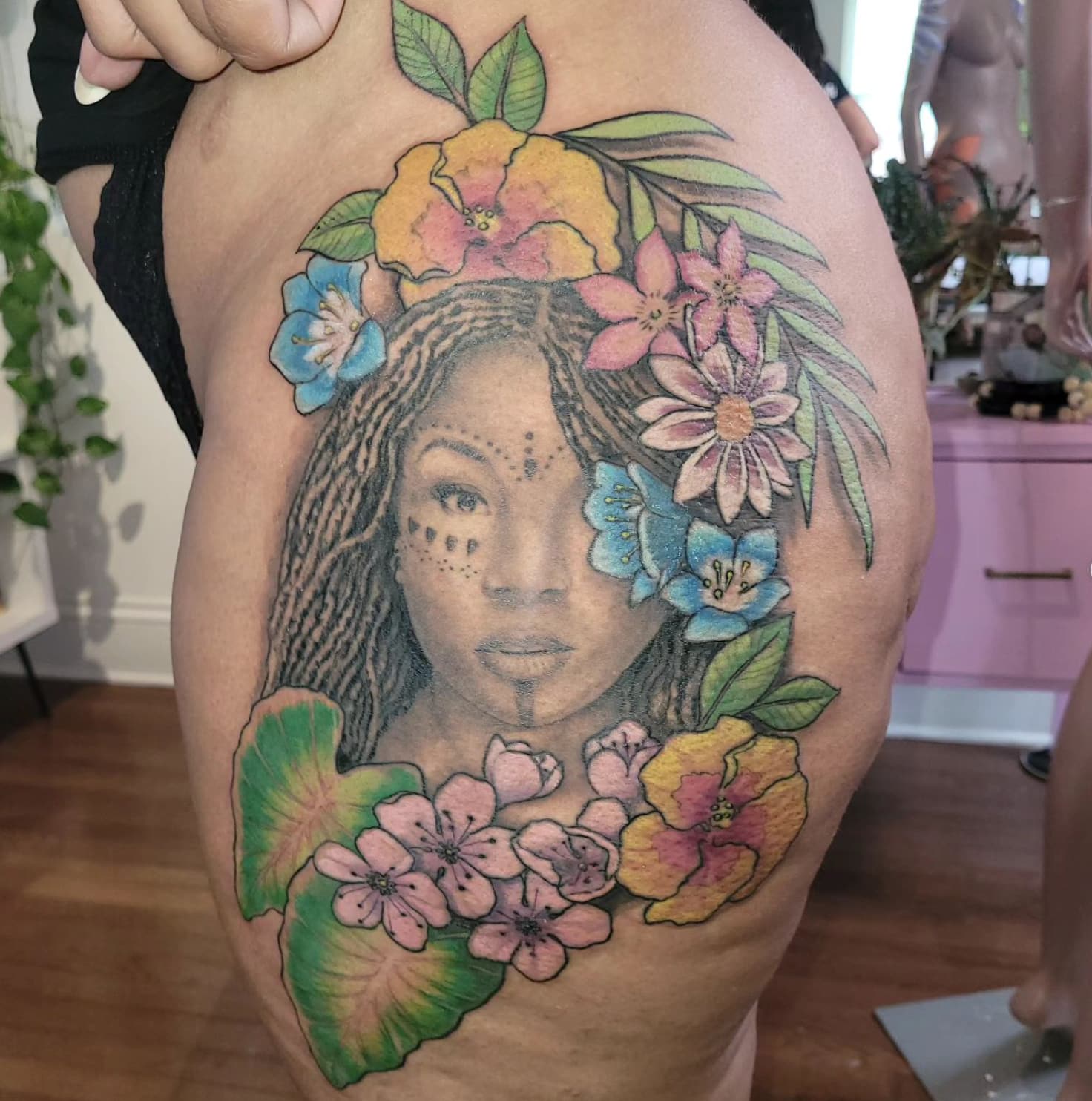
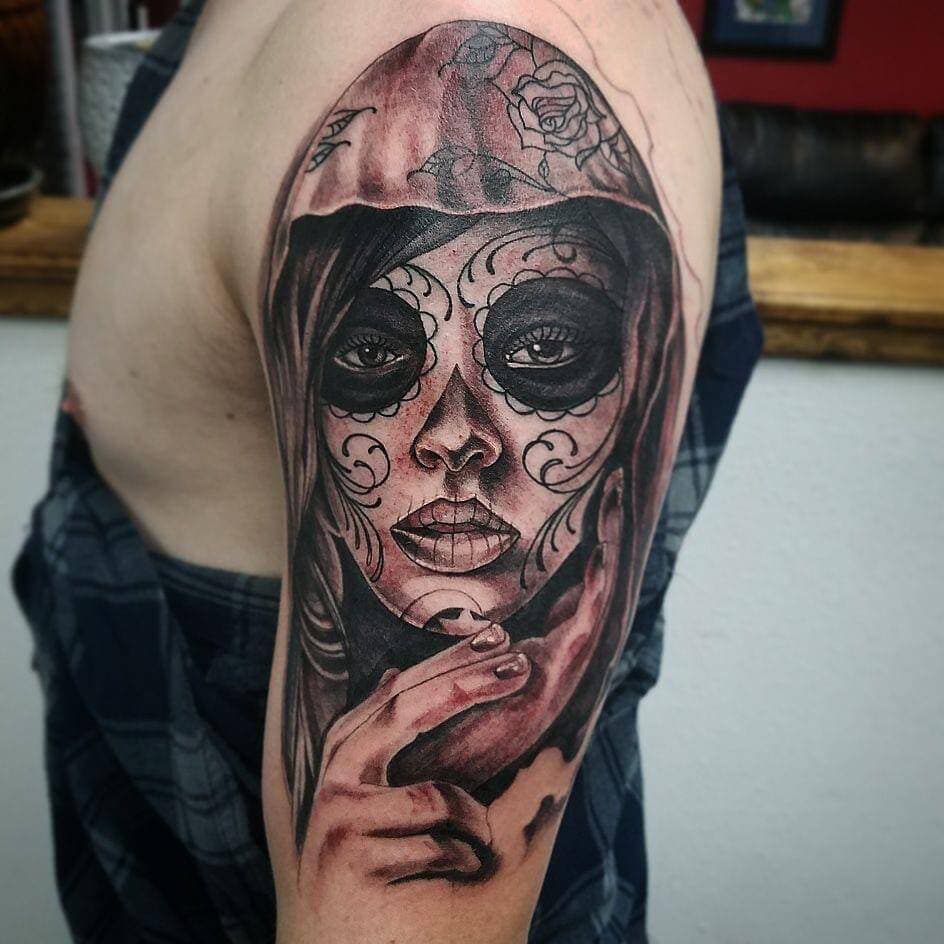
- Black and grey shading creates depth without color, often used for portrait work and illustrative designs that read more softly.
- Tribal and cyber sigilism are both rooted in heavy black linework, though they come from completely different traditions and aesthetics.
If you find an artist whose portfolio consistently excites you, let their specialty guide your thinking. The best results happen when the style and the artist are genuinely matched.
Choosing Your Tattoo Shop & Artist
The artist you choose matters more than anything else about the process. Every tattoo style requires a different skill set, and not every artist does every style well. Looking at portfolios with that lens makes the decision a lot clearer.
When you’re researching St. Louis tattoo shops, look for healed work in the portfolio, not just fresh tattoos. Fresh ink is dramatic. Healed work shows you what actually stays. Check for lines that haven’t migrated, shading that didn’t muddy, and color that held.
Safety standards are non-negotiable. Your artist should use single-use needles opened in front of you, fresh barrier film on surfaces, and disposable ink caps. A clean, well-run shop is a baseline requirement.
But beyond that, it’s important to choose a tattoo shop that has the vibe you like, and that makes you feel welcome and like you can ask questions without getting side eye.
Understanding Pain (Honestly)
The feeling is typically described as a hot, persistent scratch, somewhere between a sunburn and a cat scratch. The machine’s vibration through the skin is its own thing, and it takes a minute to get used to. After the first few minutes, most people settle into it.
Placement makes a big difference. The outer forearm, upper arm, calf, and thigh tend to be more manageable for first-timers since there’s more muscle and tissue between the needle and bone. Ribs, the spine, ankles, and the inner elbow hurt considerably more. Starting somewhere less sensitive is a reasonable call, not a compromise.
Preparing for Your Appointment
Eat a full meal one to two hours before your session. Protein and complex carbohydrates are better than caffeine and nerves. Blood sugar drops are the most common reason people feel lightheaded or faint during a sitting.
Stay hydrated in the days leading up. Avoid alcohol for at least 24 hours beforehand since it thins your blood and makes the process harder for everyone. Wear clothing that gives your artist easy access to the area without requiring you to fully undress. Loose sleeves, gym shorts, a zip-up you don’t mind getting ink on.
Bring water and headphones if you think music or a podcast will help you zone out. If you’re nervous, tell your artist. They’ve heard it before and can adjust.
The Session Itself
Your artist will clean and shave the area, apply a stencil, and confirm the placement before starting. Once you’ve approved it, the outline begins. After the first few minutes, the discomfort usually levels off.
Speak up if you need a break. Most first sessions run one to three hours. Time moves faster than you’d expect, especially in a shop where the energy is relaxed.
At Enigma Tattoos in the Delmar Loop, first-timers often come in with questions they’re not sure how to ask. The tattoo consultation is where that gets sorted out: what style works for the placement, whether the idea is scaled correctly for the spot, what to realistically expect from the session. Walking in with that clarity makes the whole experience better.
Aftercare: Don’t Undo Good Work
Your tattoo heals over two to four weeks. The first stage is mostly about keeping it clean and protected.
Wash gently with fragrance-free soap and lukewarm water. Pat dry, never rub. Apply a thin layer of unscented lotion or a tattoo-specific balm when the area feels dry. Don’t soak it in baths, pools, or hot tubs. Stay out of direct sun. Don’t pick at peeling skin, even when it itches. That flaking is the outer epidermis shedding while the ink settles beneath it.
Your tattoo will look dull and rough for a few weeks. That’s part of the tattoo healing process. When it’s fully healed, you’ll see what you actually got.
Check out our tattoo aftercare instructions for a full guide to caring for your new tattoo.
One More Thing
Tipping your artist is standard practice. Fifteen to twenty percent is the usual range for solid work. Tattooing is skilled labor and a physically demanding craft, and the tip acknowledges that.
Getting your first tattoo in St. Louis means you have no shortage of good options. Take your time, ask your questions, and find an artist whose work genuinely excites you.