
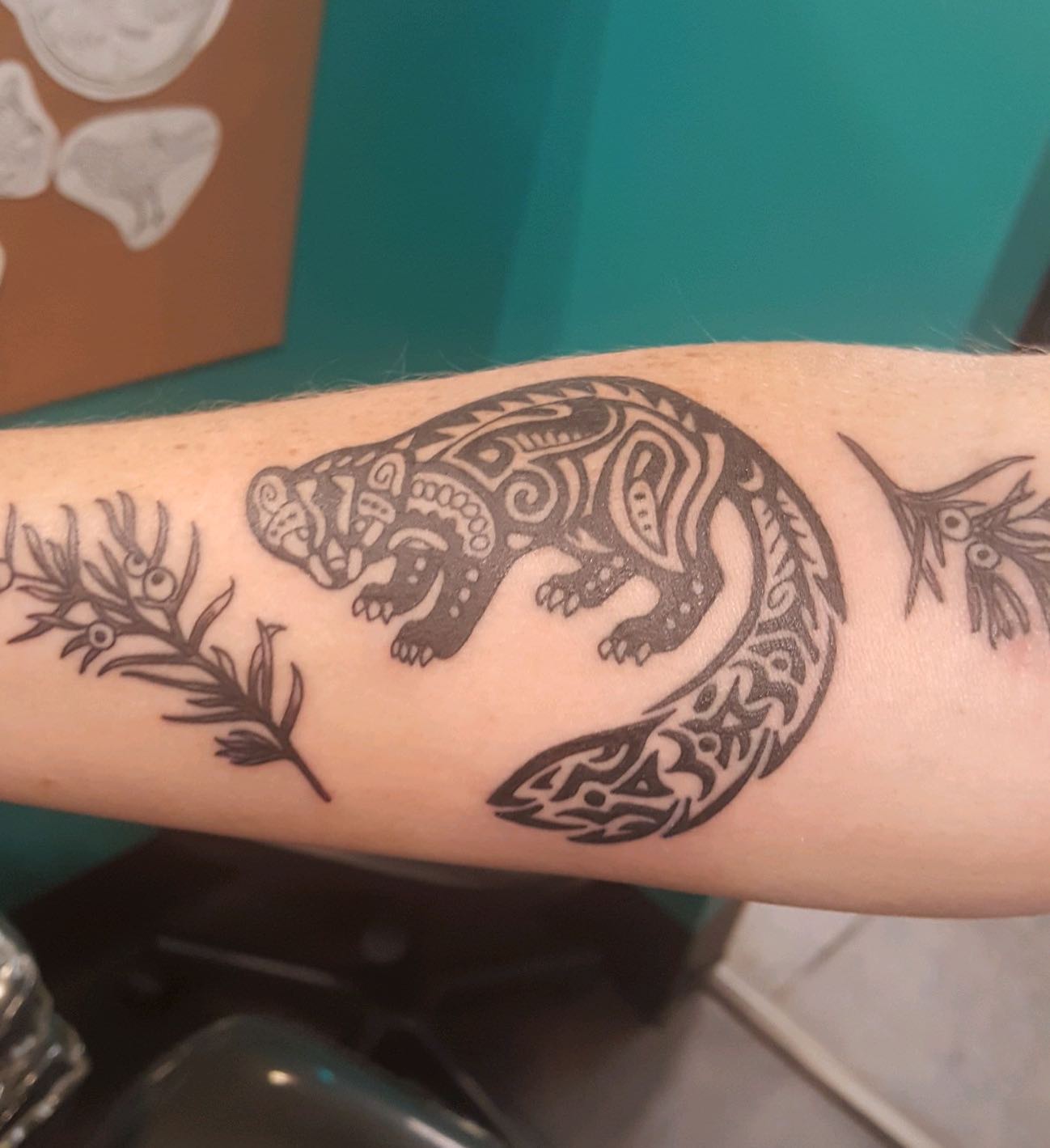
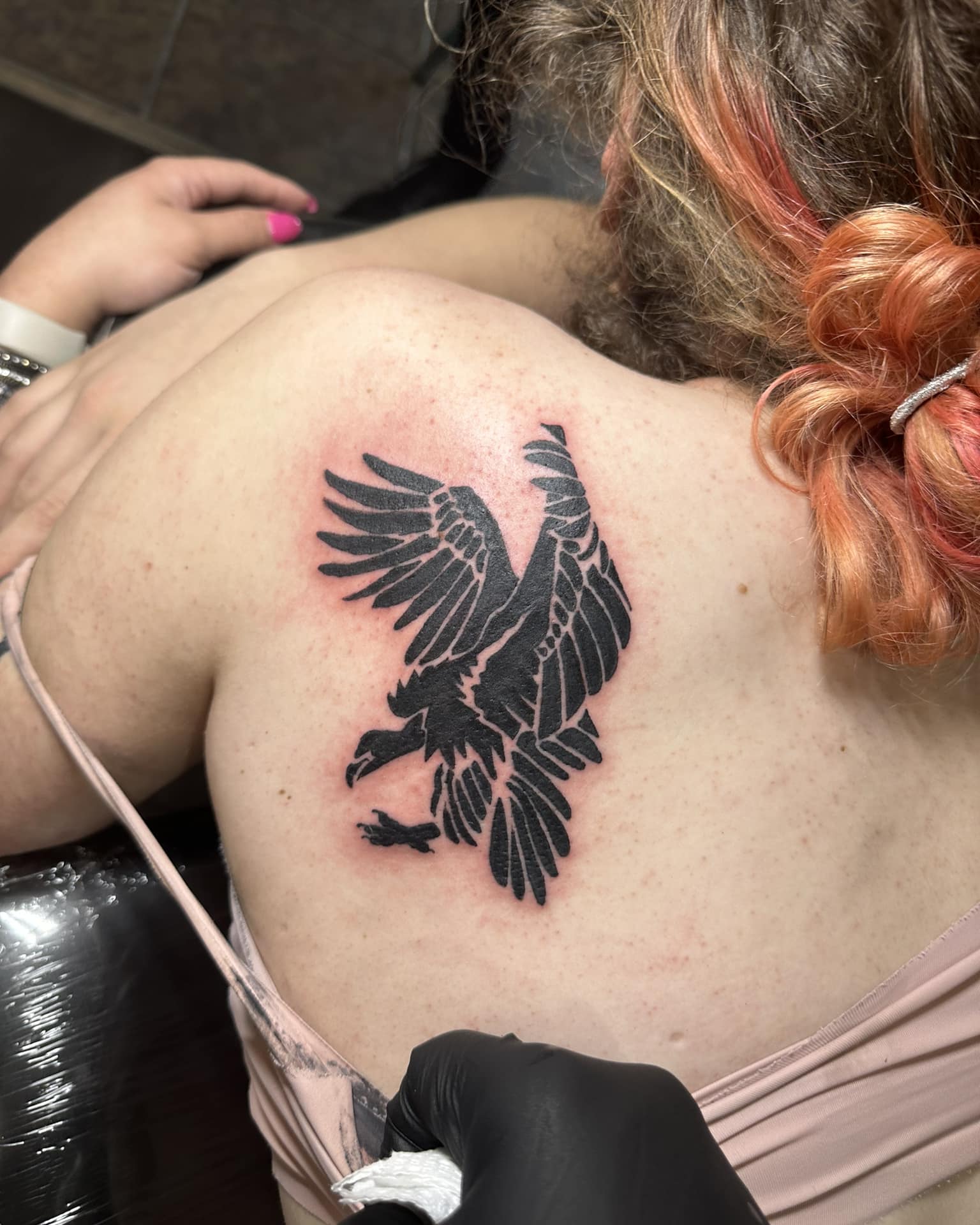
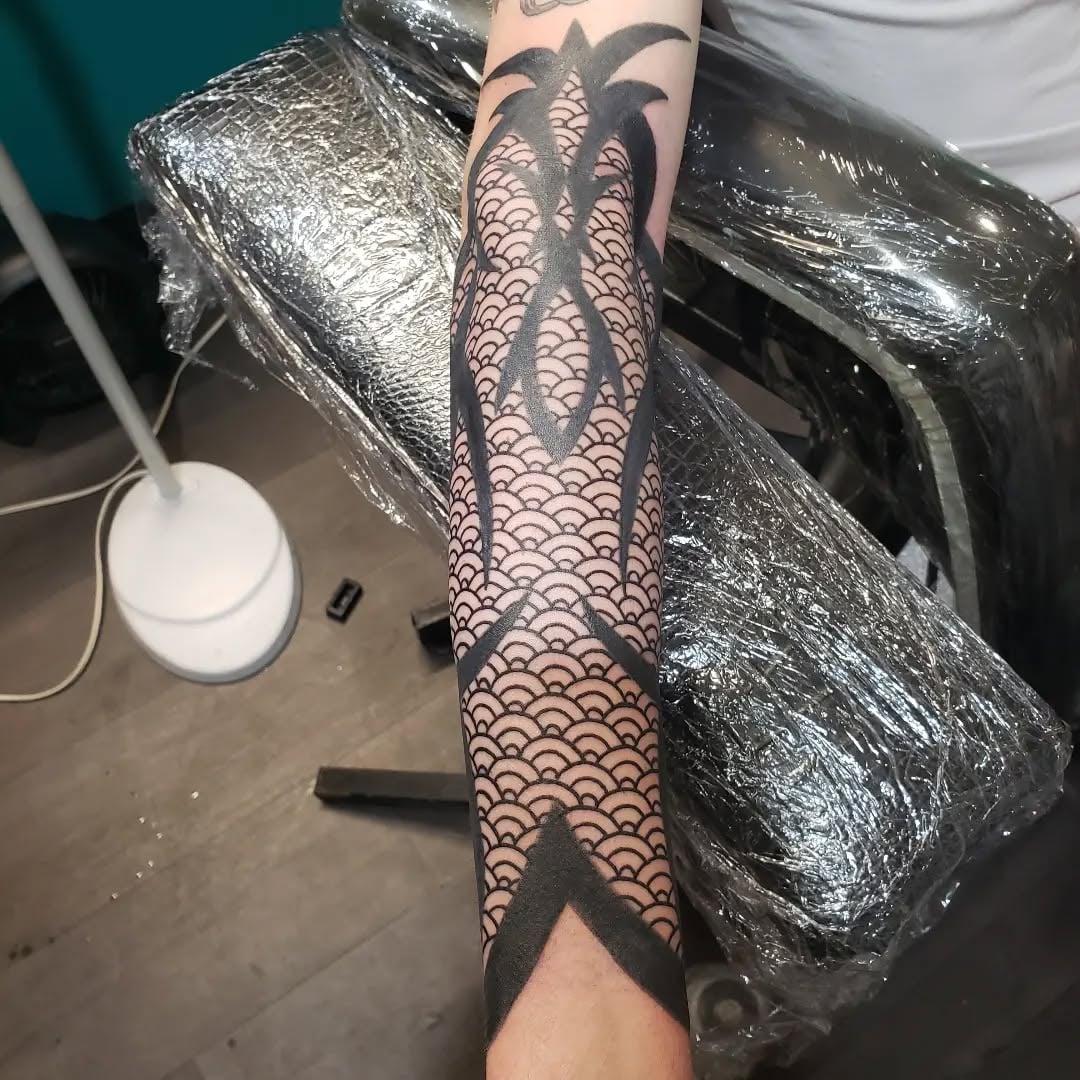
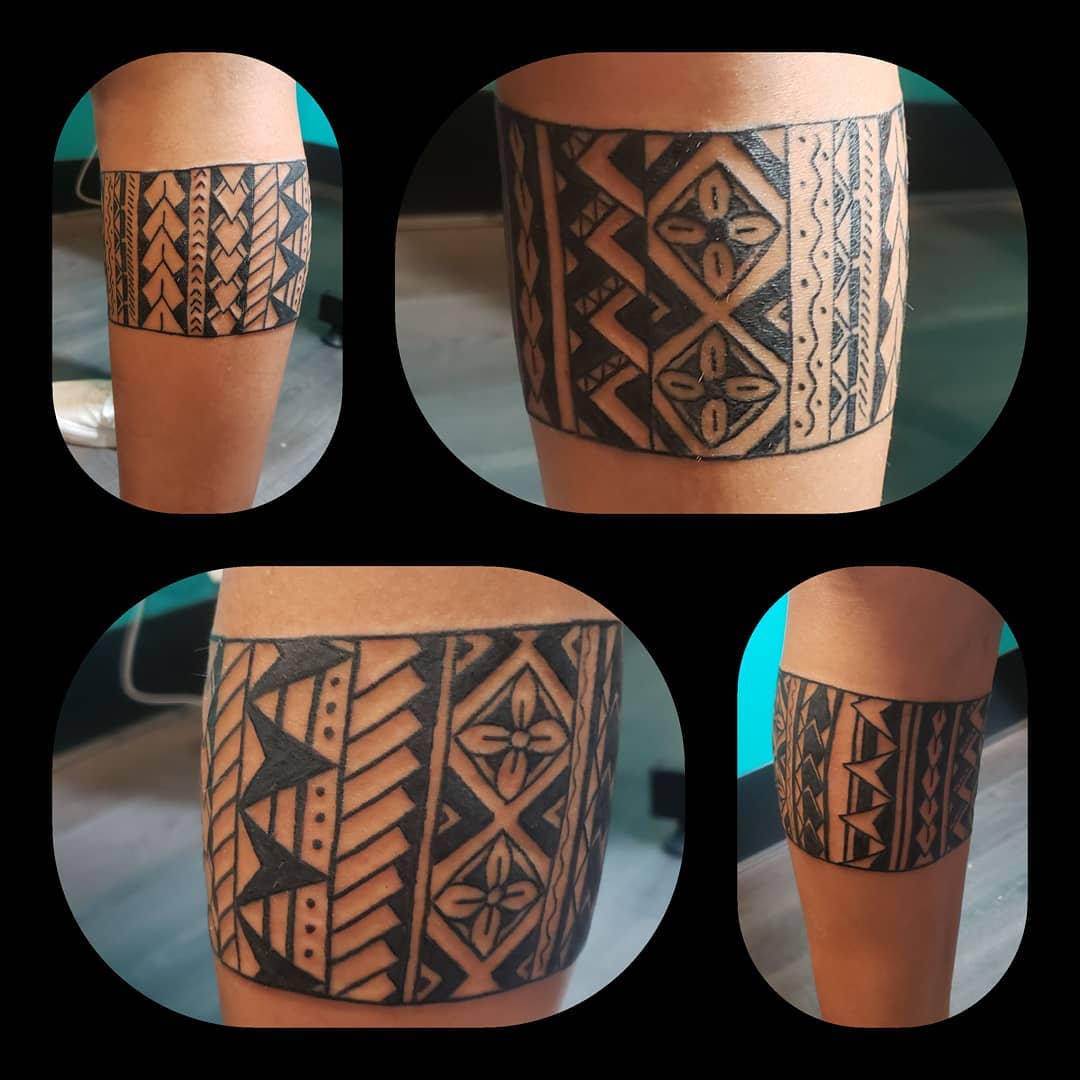
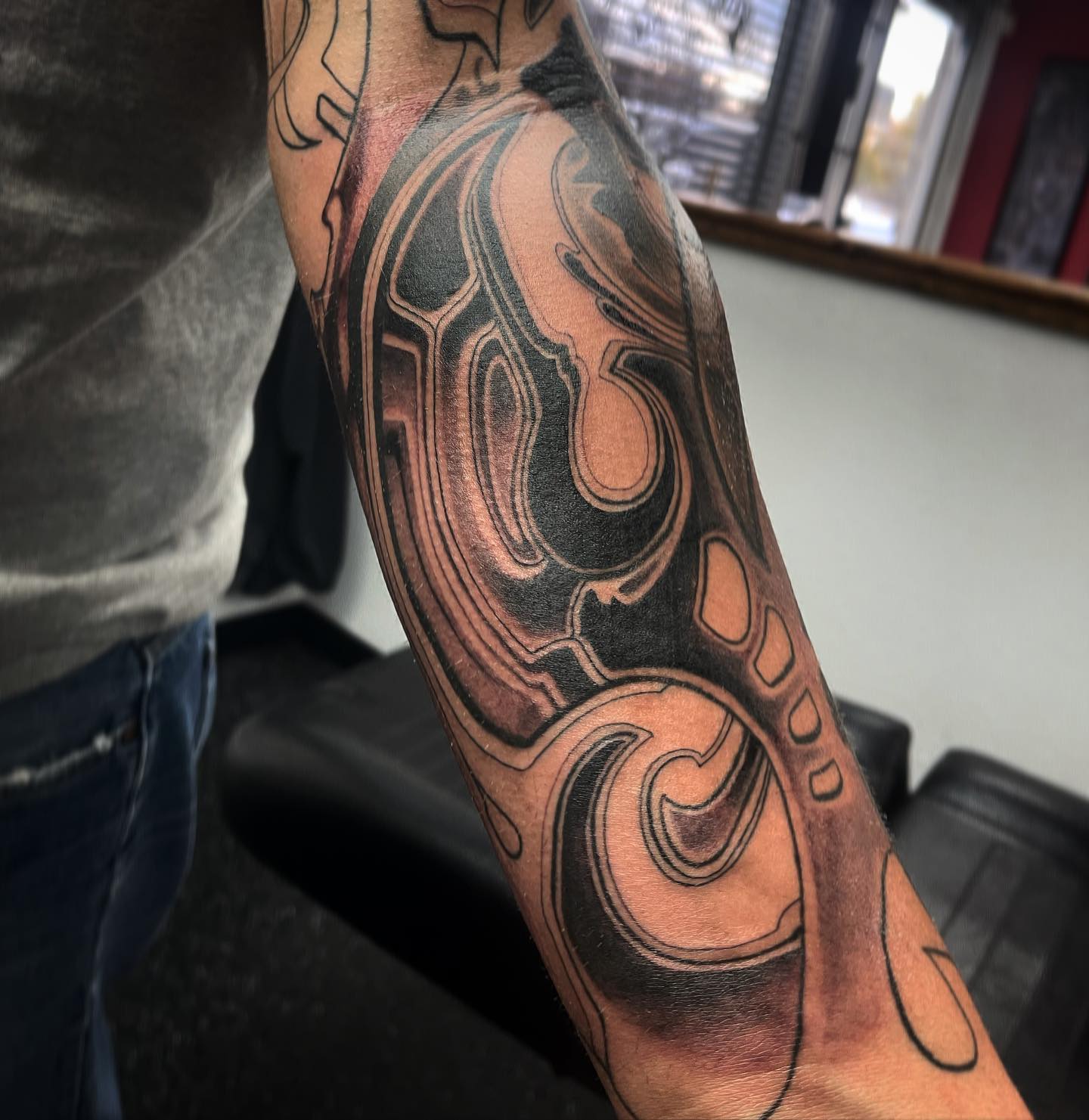
Few tattoo styles carry the weight of history quite like tribal tattoos. These bold, flowing designs connect modern wearers to ancient traditions that span continents and centuries, from Polynesian navigation charts to Celtic knotwork. The visual language of tribal tattooing speaks through sweeping black curves, precise symmetry, and patterns that follow the body’s natural contours.
St. Louis tattoo enthusiasts drawn to this style often appreciate both its cultural significance and timeless graphic impact. Enigma Tattoos in St. Louis approaches tribal work with respect for its origins and a commitment to creating pieces that honor tradition while fitting each client’s vision for their custom tattoo.
This guide covers the defining characteristics of tribal tattoos, their rich history, popular tattoo designs, and how to find the right tattoo artist for your piece.
What Are Tribal Tattoos?
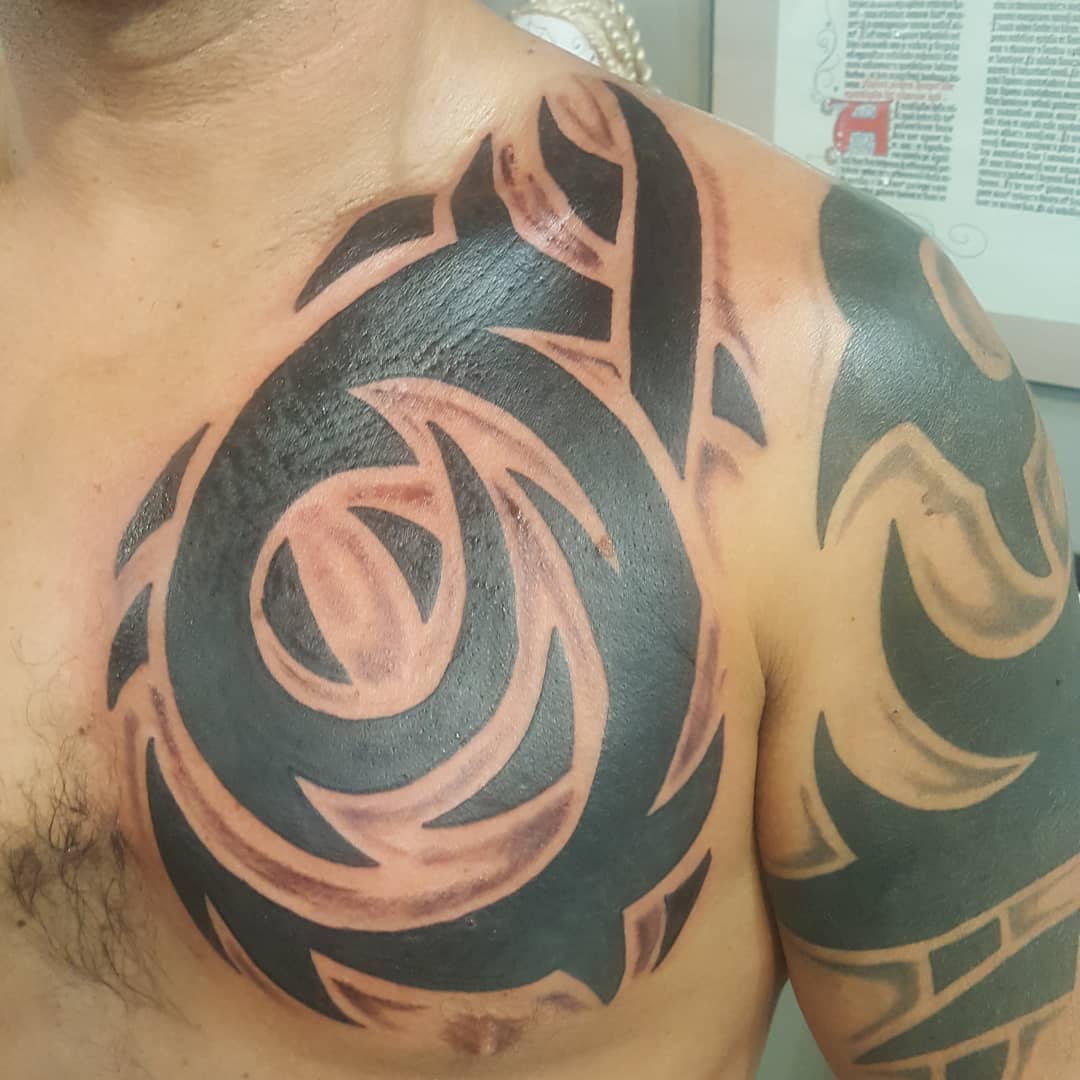
Tribal tattoos use bold black ink and flowing geometric patterns to create designs that wrap and move with the body’s natural lines. Unlike styles that rely on shading gradients or color palettes, tribal work achieves its impact through solid fills, negative space, and the interplay between thick and thin lines. The designs often feature curved lines, spirals, and interlocking motifs that create rhythm and movement across the skin.
What sets tribal apart is its emphasis on silhouette and form. Each element connects to the next in a deliberate flow, whether following the curve of a shoulder, wrapping around a forearm, or extending across the back. The style doesn’t depend on representational imagery—its power comes from shape, balance, and the way black ink contrasts against skin. This approach creates tattoos that remain visually strong and legible even as they age, making tribal one of the most enduring styles in body art.
Traditional tribal designs carried specific meanings, with each pattern or symbol representing lineage, social status, achievements, or spiritual beliefs. Contemporary tribal work often blends these historical motifs with modern aesthetics, creating pieces that honor the style’s roots while allowing for personal expression.
What Are the Hallmarks of the Tribal Tattoo Style?
Solid Black Ink: Tribal tattoos rely exclusively on black ink applied in bold, saturated fills. The depth and consistency of the black creates the style’s signature high-contrast look and ensures the design remains sharp over time.
Flowing, Organic Lines: Curves and sweeping shapes dominate tribal work, with bold lines that taper and swell to create natural movement. These flowing elements follow the body’s contours rather than fighting against them.
Symmetry and Balance: Many tribal designs use mirrored patterns or radial symmetry to create visual harmony. This symmetrical balance gives the work a sense of completeness and intentional structure.
Negative Space as Design Element: The skin itself becomes part of the composition. Tribal artists use untattooed areas strategically, allowing the contrast between black ink and bare skin to define shapes and create depth.
Cultural Motifs and Patterns: Traditional tribal work includes specific symbols—spirals, spearheads, waves, teeth, and geometric forms—each carrying cultural meaning. Modern interpretations may blend these elements or use them as inspiration for original designs.
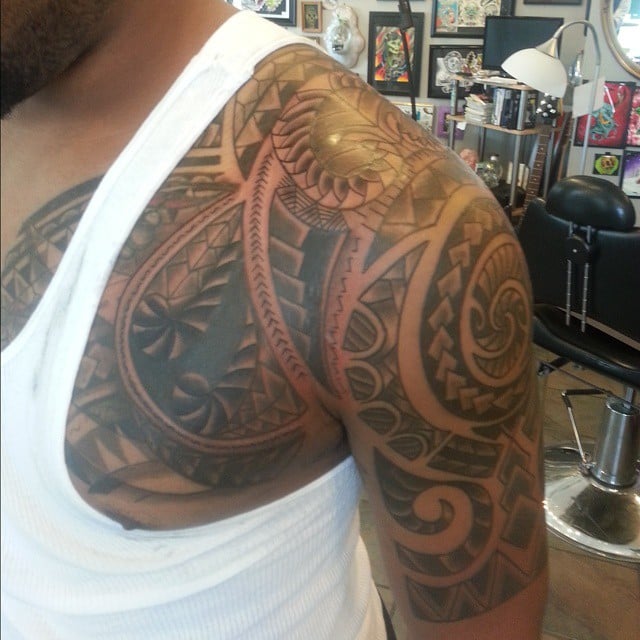
Body-Contour Placement: Tribal tattoos shine when they wrap around muscles, follow bone structure, or accentuate the body’s natural movement. Placement is integral to the design’s success.
Popular Tribal Tattoo Designs
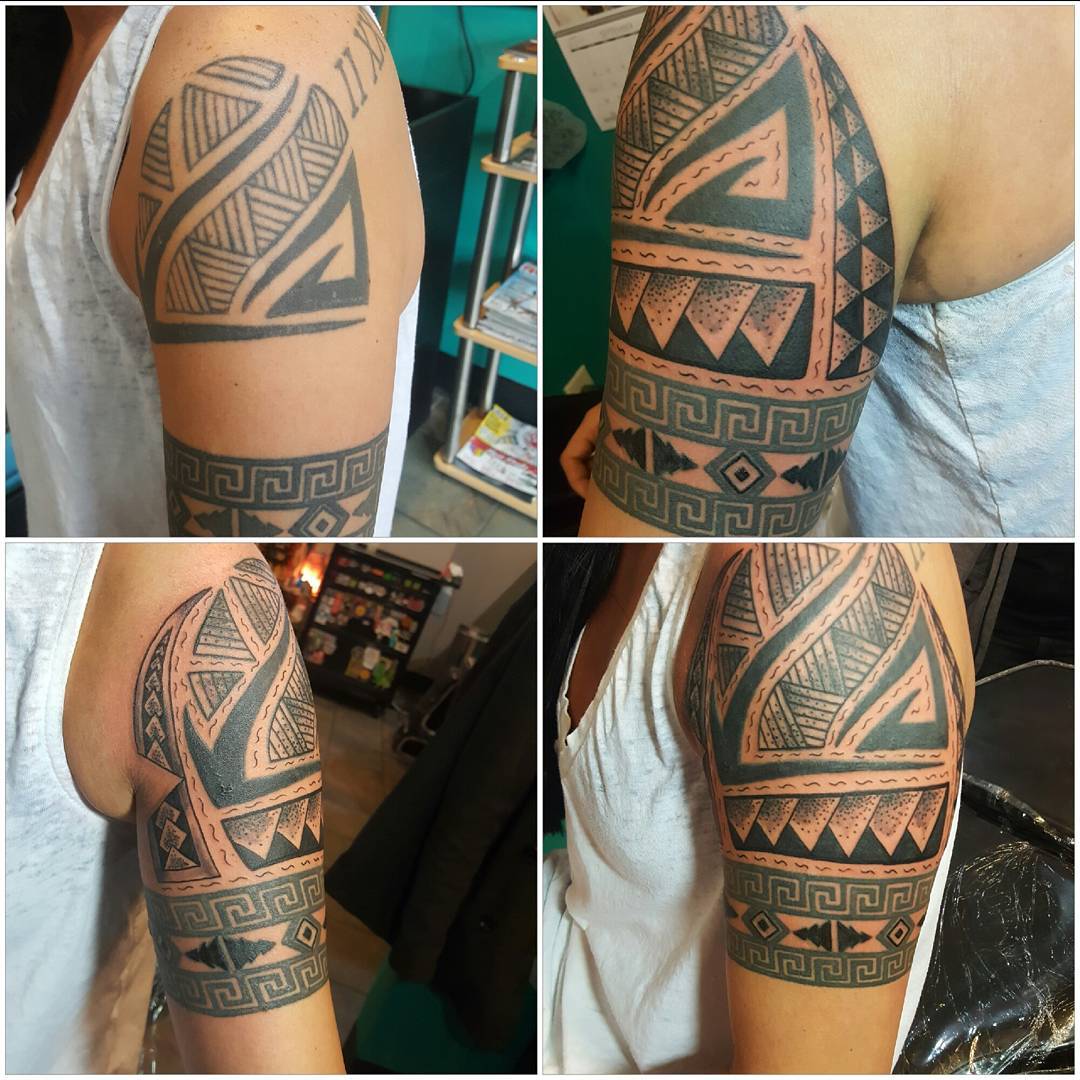
Polynesian-Inspired Patterns: Geometric shapes, ocean waves, and symbols that represent strength create deeply meaningful sleeve tattoos and chest pieces rooted in Polynesian tribal traditions.
Maori Koru and Spirals: The unfurling fern motif and intricate facial patterns (ta moko) adapted for body placement offer Maori tattoo designs rooted in New Zealand’s indigenous culture.
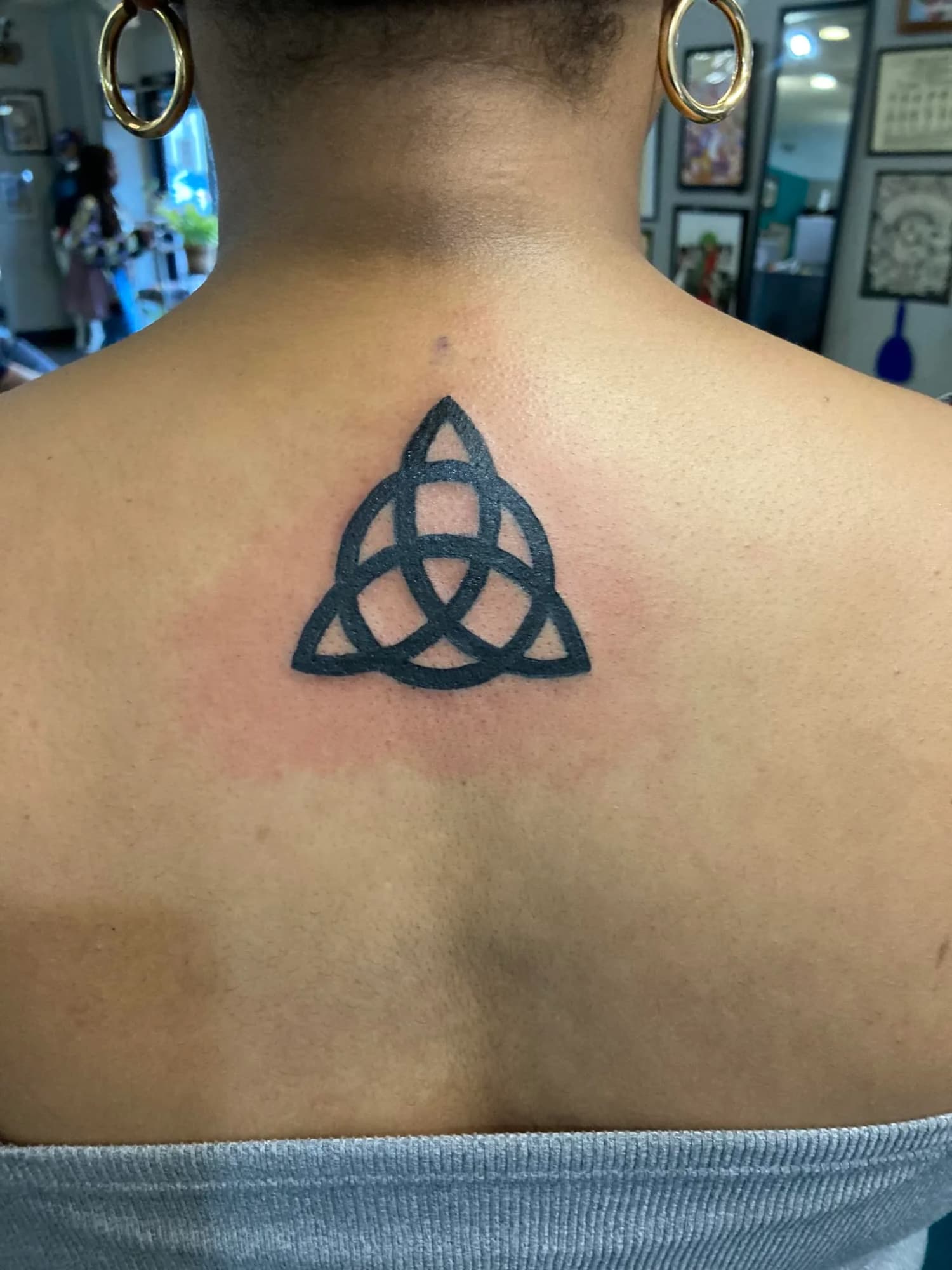
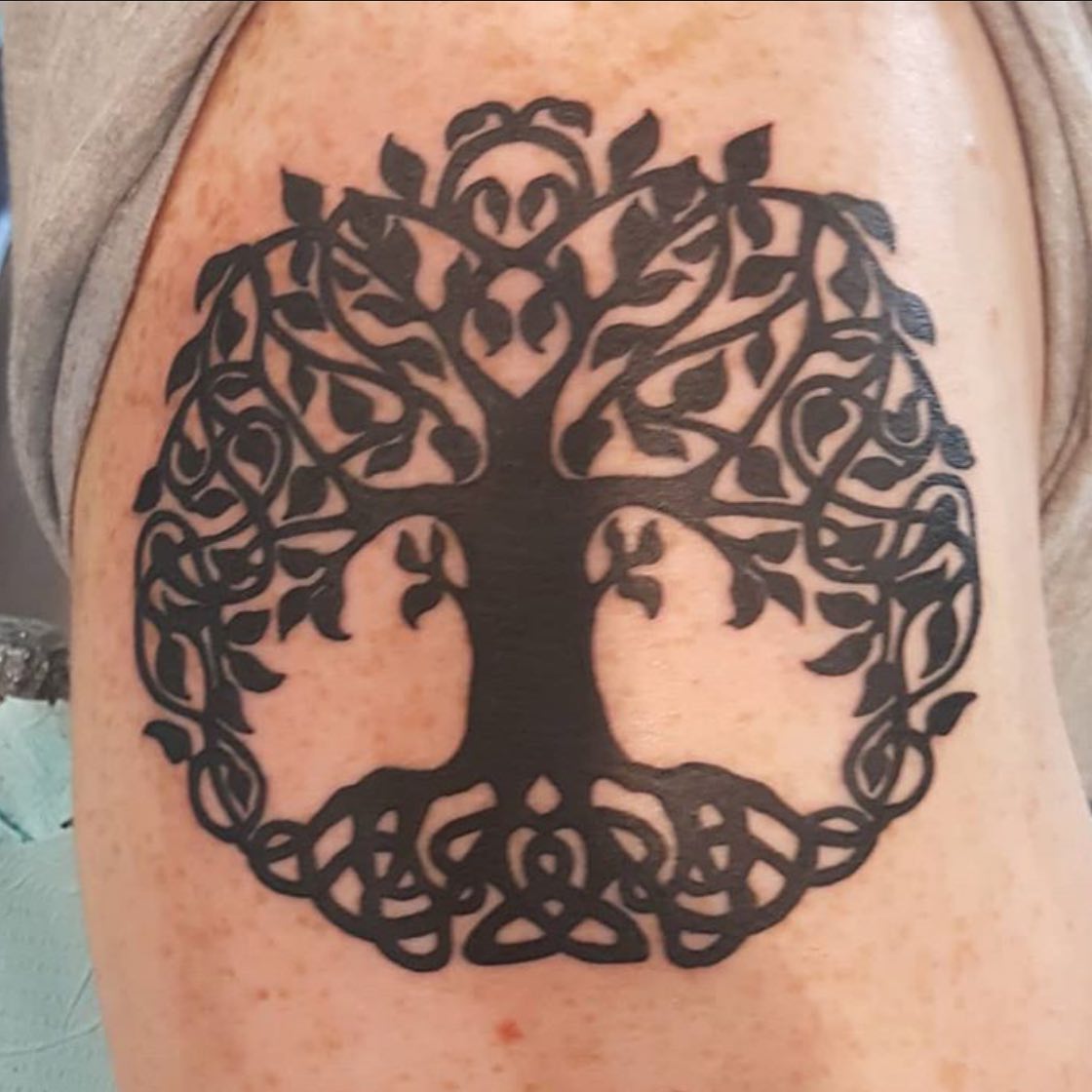
Celtic Knotwork: Endless interwoven Celtic knots symbolizing eternity, loyalty, and interconnectedness work beautifully as armbands, back pieces, or integrated into larger compositions.
Borneo and Indonesian Motifs: Flowing patterns inspired by Dayak and other Southeast Asian traditions feature organic curves, protective symbols, and nature-based imagery.
Samoan Pe’a Elements: Bold patterns traditionally covering the body from waist to knee, now adapted for modern placements like shoulders, ribs, and legs.
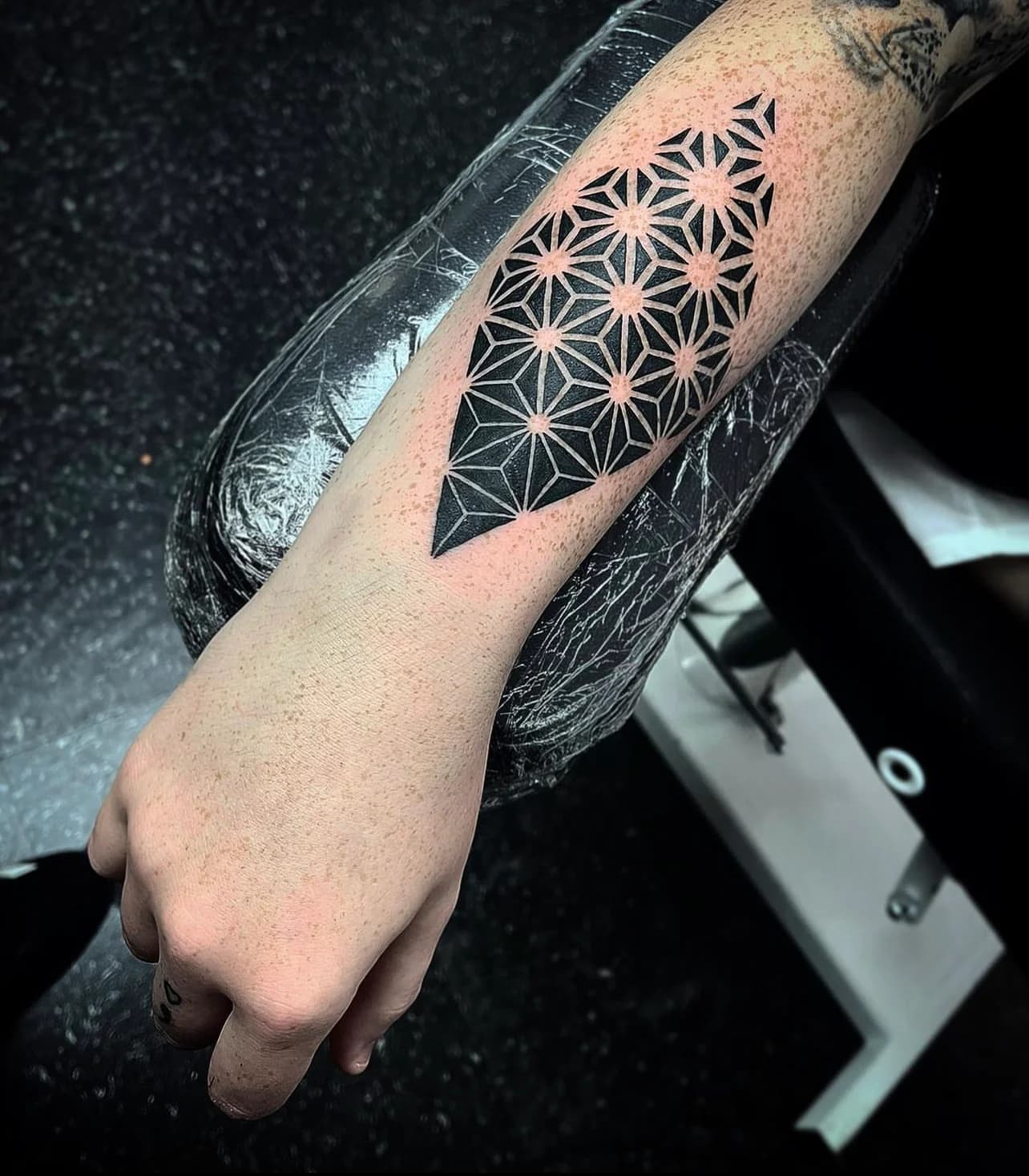
Abstract Geometric Tribal: Contemporary interpretations that use tribal’s visual language—solid black, flowing lines, symmetry—without direct cultural reference, allowing for purely aesthetic exploration. For futuristic takes on traditional tribal designs, explore cybersigilism tattoos.
Native American and Haida Designs: Totem-inspired artwork and animal symbolism that honor indigenous North American traditions through bold line tattoos and meaningful imagery.
Aztec Tribal Tattoos: Intricate patterns featuring deities, serpents, and geometric forms that connect to ancient Mesoamerican culture and mythology.
African Tribal Tattoos: Designs inspired by African tribes that traditionally used body art to symbolize tribal affiliation, social status, and spiritual journeys.
Small Tribal Accents: Simplified motifs like feathers, spirals, or symbolic shapes that work as a first tattoo or complement existing pieces.
History of Tribal Tattoos
Tribal tattooing represents one of humanity’s oldest continuous art forms, with archaeological evidence suggesting practices dating back thousands of years across multiple continents and different cultures. Polynesian cultures developed some of the most sophisticated tribal traditions, with tattooing serving as markers of social rank, spiritual protection, and personal achievements. In Samoa and throughout Polynesia, the pe’a (male tattoo) and malu (female tattoo) required weeks of hand-tapping with traditional needles and represented a rite of passage into adulthood.
Maori ta moko in New Zealand used the body—especially the face—as a canvas for genealogical records and personal identity. Each spiral, curve, and line held specific meaning, creating a visual language unique to the wearer and their clan. Similarly, Borneo’s indigenous Dayak people used tattoos to mark life transitions, provide spiritual protection, and ward off evil spirits.
Celtic and Nordic tribes in Europe developed their own tattooing traditions, though much of this history was lost or remains speculative. The interlacing knotwork we associate with Celtic design comes primarily from illuminated manuscripts and stone carvings rather than direct tattooing evidence. These patterns often carried symbolism related to eternity, nature, and spiritual connection.
The term “tribal” as a tattoo style gained popularity in the 1990s, largely through the work of artists like Leo Zulueta, who studied traditional practices and adapted them for contemporary Western tattooing. This modernization sparked both appreciation for indigenous art forms and ongoing conversations about cultural appropriation and respect for source traditions. Today’s tribal style encompasses both faithful recreations of traditional work and modern interpretations that honor the aesthetics while creating unique artwork.
Getting a Tribal Tattoo in St. Louis
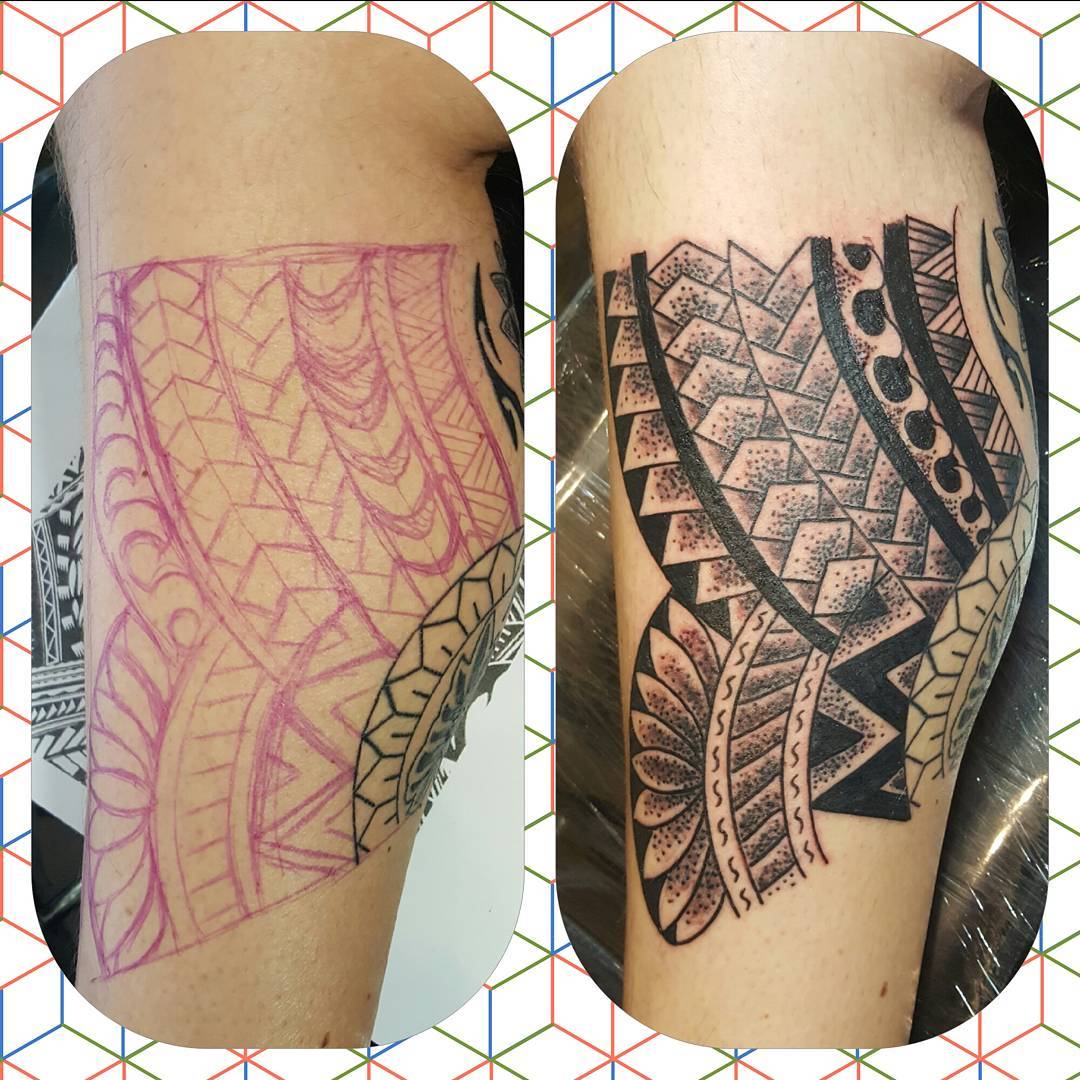
Finding the right tattoo artist for tribal work means looking beyond general tattooing skill to someone who understands the tribal style’s specific demands. Review portfolios carefully for solid black saturation, clean line flow, and designs that complement body placement. Tribal requires confident application—hesitant or inconsistent ink coverage can compromise the bold impact that defines the style.
Consider whether you want traditional cultural motifs or contemporary interpretations. If your tribal design draws from specific indigenous traditions, look for artists who demonstrate cultural awareness and respectful adaptation. Understanding the meaning and symbolism behind tribal tattoos often helps create more intentional, personally significant work. Some clients prefer working with artists who have studied particular tribal traditions, while others seek modern geometric approaches that use tribal’s visual language without direct cultural ties.
Placement matters enormously in tribal tattooing. The best tribal pieces follow muscles, wrap around limbs, or accentuate the body’s natural movement. During your consultation, discuss how the design will interact with your anatomy and whether it might connect to future work. Large-scale tribal often develops across multiple sessions, so finding a tattoo artist you trust for the long term makes a difference.
At Enigma Tattoos, consultations focus on understanding both your aesthetic preferences and the story behind your choice, ensuring your new tattoo reflects your vision while maintaining the technical excellence the tribal style demands.