







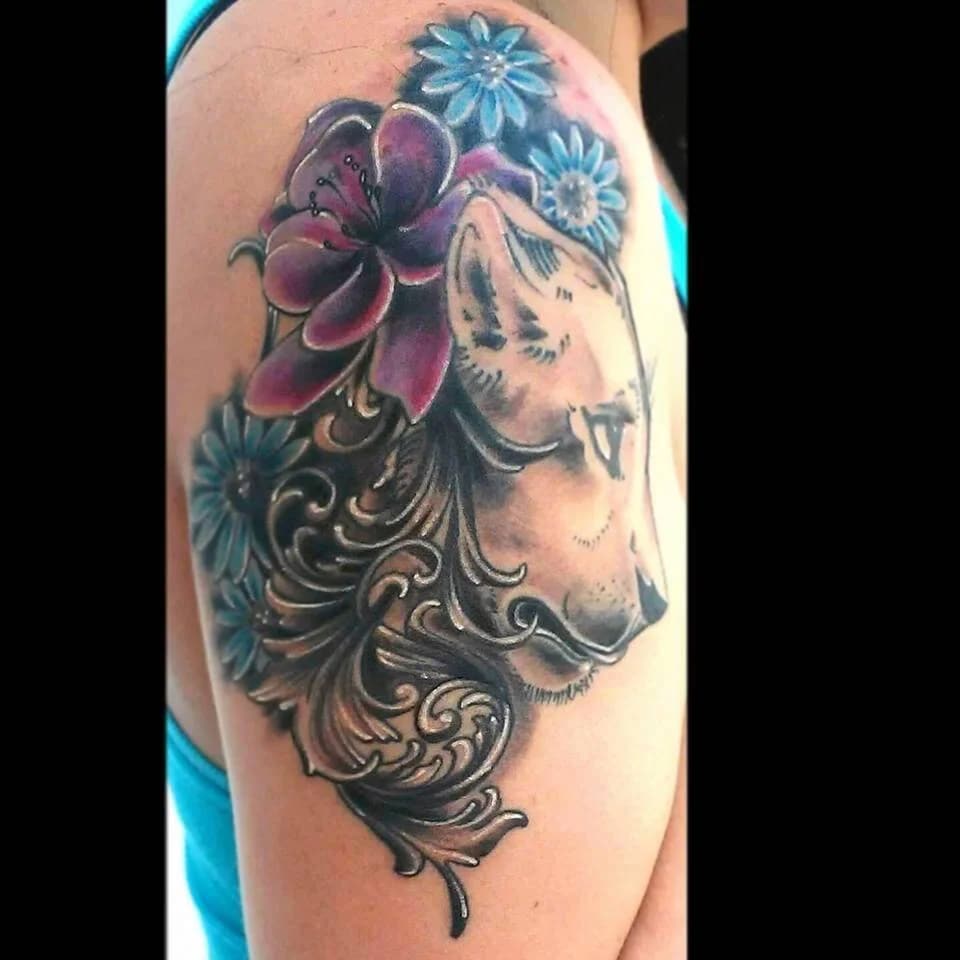


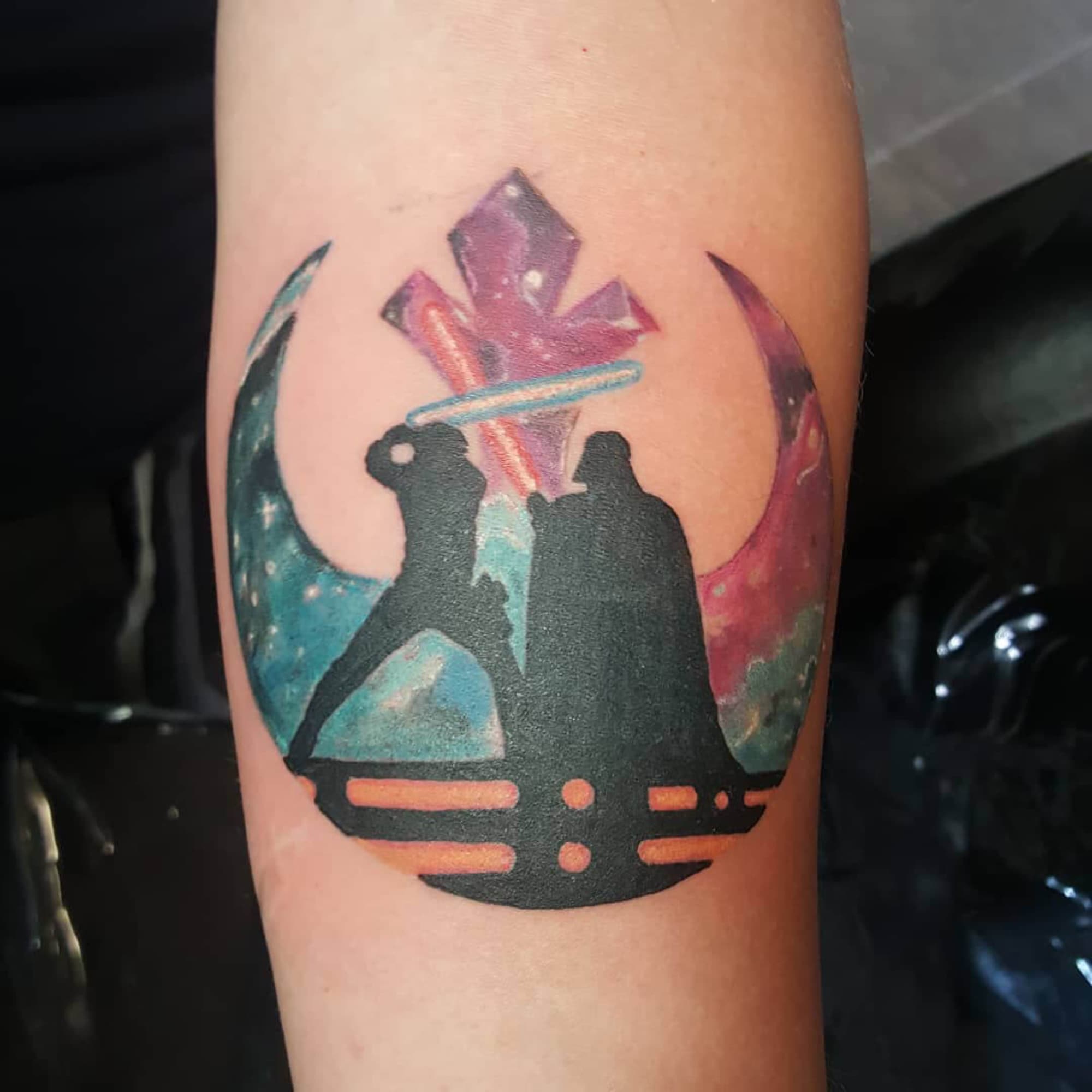

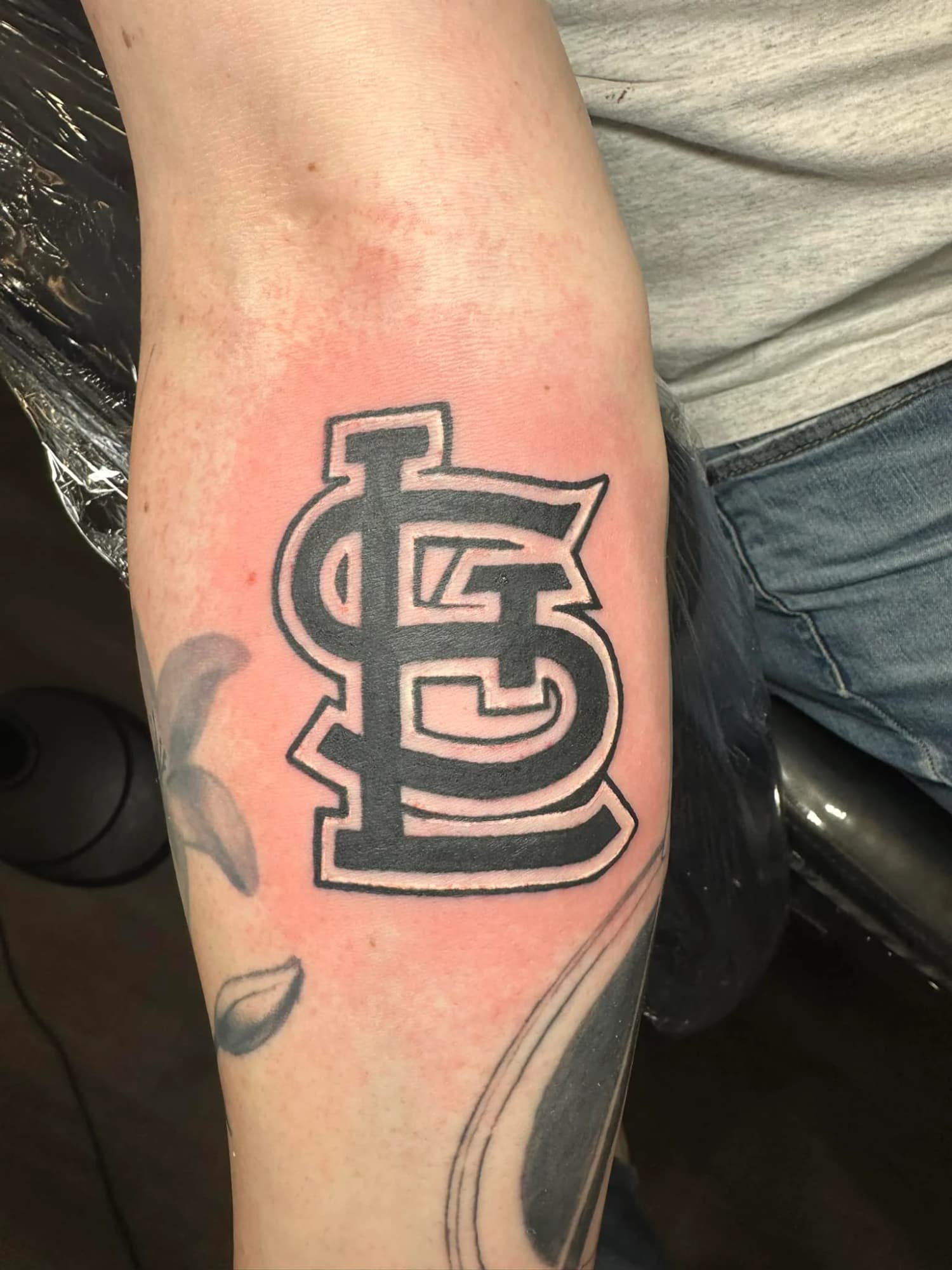
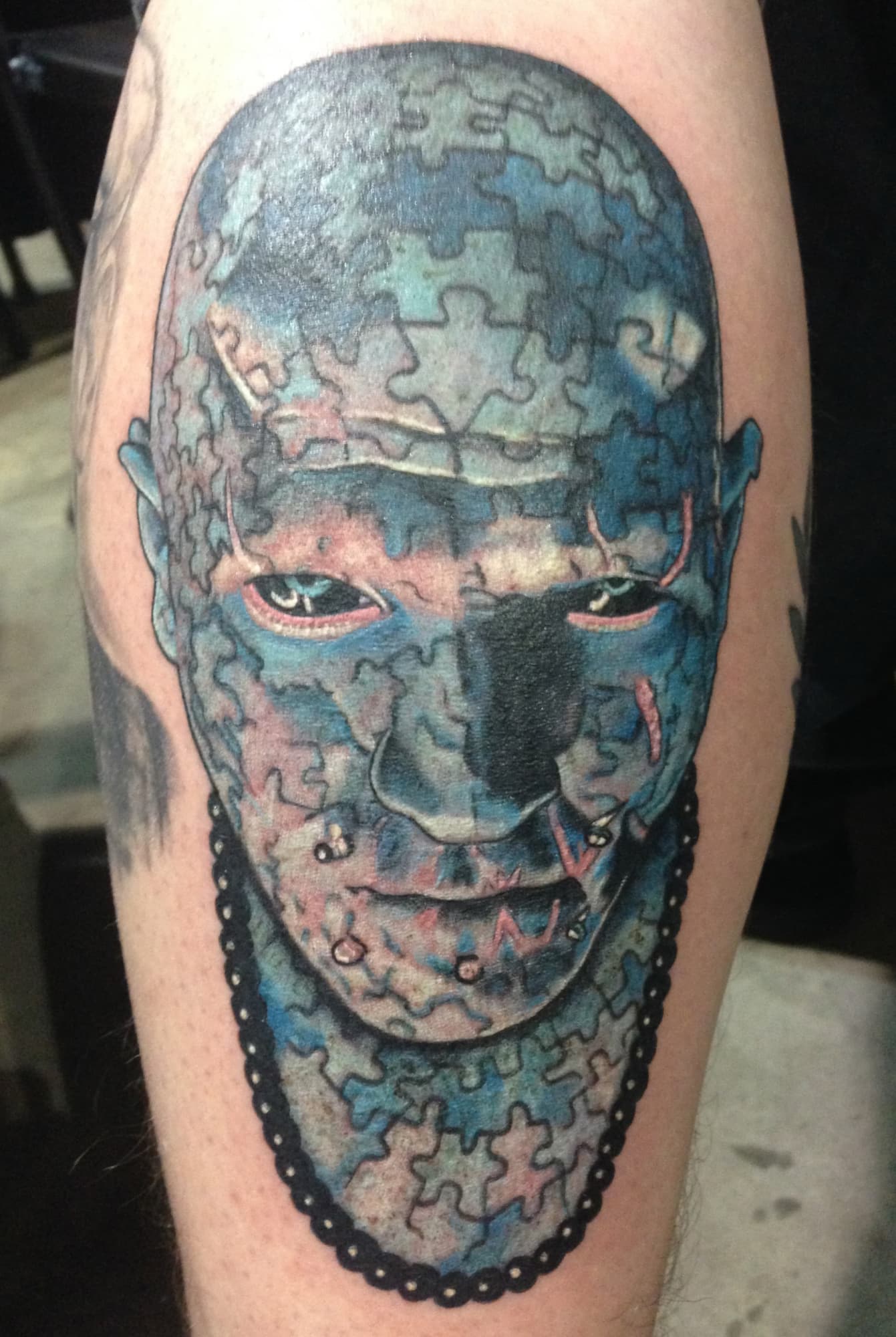

You just got tattooed. You’re home, the excitement is wearing off a little, and now you’re staring at it wondering if what you’re seeing is normal. It looks shiny. Maybe it’s a little puffy. In a few days it might get crusty and weird, and you’ll wonder if you did something wrong. You probably didn’t. Healing a tattoo is a process with a pretty predictable arc, and once you know what each stage looks like, the scary parts stop being scary. Here’s what actually happens, from the day you get it to the day it’s fully settled.
What happens to your skin as a tattoo heals
A tattoo is a wound. A controlled, intentional one, but a wound. The needle puts ink into the dermis, the deeper layer of skin, and your body responds the way it responds to any injury: it sends blood, fluid, and immune cells to the area to clean it up and start repairs.
That’s why a fresh tattoo oozes a bit, looks red around the edges, and feels warm and tender for the first day or two. Your body is doing its job. The ink stays put in the dermis while the top layer of skin, the part you can see, heals over the top of it. So a lot of what you watch during healing, the scabbing and peeling, is happening on the surface while the real artwork sits safely underneath.
OK, so that’s the why. Here’s the timeline.
The first week: day by day
Days 1 to 3: fresh and reactive
This is the loud part. The tattoo is an open wound, so expect some oozing, a mix of plasma, blood, and a little extra ink. It’ll look shiny and feel sore, kind of like a sunburn. The skin around it might be red and slightly swollen, especially on areas with thinner skin.
Your artist will have sent you home wrapped, either in traditional plastic wrap or a second-skin bandage (more on the difference below). Follow the wash-and-moisturize routine they gave you. If you want the full step by step, we laid it out in our tattoo aftercare instructions. The short version: keep it clean, keep it lightly moisturized, leave it alone otherwise.
Days 3 to 6: tight, dull, and starting to flake
The oozing stops. The tattoo starts to dry out and tighten, and the bright, glossy look fades to something flatter and duller. This freaks people out. They think the color is disappearing. It isn’t. That cloudy, matte film is just the top layer of skin drying and getting ready to shed. The real color is underneath, waiting.
You might see the very start of light flaking around the edges. Resist the urge to pick. Say you’ve got a tattoo on your forearm and a flap of dry skin is hanging off it. Leave it. Pulling it can pull ink with it.
Tattoo healing stages: peeling and itching (weeks 2–3)
Days 6 to 14: peeling and scabbing
Now the skin sheds in earnest. It peels like a healing sunburn, flakes of dry, sometimes ink-tinted skin coming off in the shower or when you moisturize. Seeing colored flakes is normal. That’s dead surface skin carrying a little stray pigment, not your tattoo falling apart.
Some areas may form light scabs, especially spots with heavier saturation or line work. Thin scabs are fine. Let them flake off on their own schedule. The cardinal rule of this whole stage is the same one your mom told you about chicken pox: don’t scratch, don’t pick.
Why a healing tattoo itches
Right around here, the itching kicks in. It can be maddening. Itching is a normal part of healing, your nerves and skin reconnecting and the surface tightening. The problem is that scratching a healing tattoo can lift scabs early and pull pigment out, which leaves patchy spots that need a touch-up later.
So what do you do instead? A clean hand, gently patting or slapping the area, takes the edge off. A fresh layer of fragrance-free lotion helps too, since a lot of the itch is just dryness. If it’s driving you up a wall, that’s usually a sign the skin needs a little more moisture, not less.
Weeks 3–4: when a tattoo looks healed
By the end of week three or into week four, the surface looks and feels normal again for most tattoos. The flaking is done, the scabs are gone, and the color has come back, though it might still look a little glossy or settling for a bit. This is the point where you can mostly stop babying it.
Here’s the catch, and almost nobody mentions it: the surface heals long before the deeper layers do. The skin you can see is closed up in two to four weeks. Underneath, your body keeps remodeling tissue for up to two or three months, sometimes longer for big or heavily worked pieces. That’s why a tattoo can look perfect at week four but still be a little sensitive, and why we tell clients to keep up sun protection well past the point where it looks done.
What affects how fast a tattoo heals
Two people can get tattooed the same day and heal on different schedules. A few things move the timeline:
- Placement. High-movement, high-friction spots heal slower and rougher. Elbows, knees, hands, feet, and anything that rubs on a waistband or bra strap get aggravated more. Fleshier, lower-movement areas (outer thigh, upper arm) tend to heal cleaner.
- Size and detail. A big color piece or a dense blackwork panel is more trauma to the skin than a small fine-line design, so it scabs more and takes longer.
- Your skin and your health. Dry skin flakes more. Oily skin sometimes scabs less. Sleep, hydration, and whether you’re run-down all factor in, because healing is your immune system’s job.
- Aftercare. The one variable you fully control. Overwashing, drowning it in ointment, or skipping moisturizer entirely all slow things down.
Tattoo bandages: traditional wrap vs. Saniderm
What you’re sent home in changes the first few days, so it’s worth knowing the difference.
Traditional plastic wrap comes off after a few hours. You do your first wash, then you’re usually wrapping it again only at night (if at all) per your artist’s instructions. Simple, breathable once it’s off, and easy to manage.
Second-skin bandages (you’ll hear brand names like Saniderm or Tegaderm) are a clear, breathable adhesive film that stays on for several days. They’re great, but they come with one moment of panic: fluid pools under the film and looks alarming, like cloudy or bloody liquid trapped against your skin. That’s normal. That’s the plasma and ink your tattoo would’ve oozed anyway, just collected under the bandage instead of on your sheets. Leave it on as long as your artist told you, then peel it slowly under warm water. If a second-skin bandage leaks at the edges or the seal breaks early, take it off, wash gently, and switch to the basic routine.
Not sure which one you’ve got or what to do with it? That’s a totally fair question to call and ask. We’d rather you call than guess.
Normal healing vs. signs of a tattoo infection
Almost everything on the list above (oozing the first day, dullness, flaking, peeling, light scabbing, itching) is normal. Healing tattoos look rough in the middle. That’s expected.
A few signs are not part of normal healing, and they’re worth paying attention to:
- Redness that spreads outward and gets worse after the first few days, instead of calming down
- Swelling that increases rather than fades
- Pus or thick discharge, or a bad smell
- Heat radiating off the area
- Fever or feeling sick
Any of those, especially together, can point to an infection, and that’s a doctor conversation, not a wait-and-see one. The American Academy of Dermatology says the same: a properly cared-for tattoo shouldn’t show worsening redness, swelling, or discharge days into healing. Trust your gut. If something feels off, get it looked at. And if you’re just not sure whether what you’re seeing is normal, call the shop. We’ve seen a lot of healing tattoos, and we’re happy to tell you that’s totally normal or yeah, go see someone.
Frequently asked questions
How long does a tattoo take to fully heal?
The surface heals in about two to four weeks. Full healing in the deeper layers takes closer to two to three months, longer for large or dense pieces.
Why does my tattoo look faded or cloudy while it’s healing?
That’s the dry top layer of skin over the tattoo. The color comes back once that layer sheds. It’s almost always temporary.
Is it normal for color or ink to come off when it peels?
Yes. Flakes of dead skin carry a little stray pigment. The ink that matters is in the dermis and stays put.
Can I work out, swim, or sit in the sun while it heals?
Hold off. Sweat, soaking, and UV all interfere with a healing tattoo. We get into the gym question in detail in our guide on working out after a tattoo, and the short answer for sun and pools is: wait until it’s fully surface-healed.
When can a touch-up happen if a spot heals patchy?
Usually after it’s fully healed, around the two to three month mark. A small patchy area now doesn’t mean the tattoo is ruined. It means it might need a quick touch-up later.
The bottom line
Healing looks worse before it looks better, and that’s the part people aren’t ready for. Shiny, then dull, then flaky, then itchy, then settled. If you know the arc, you can relax through the messy middle and let your body do what it’s good at. Protect it from sun and friction, keep it clean and lightly moisturized, and don’t pick.
Every tattoo we do at Enigma comes with aftercare guidance and a standing offer: if your healing ever looks strange or you’re second-guessing something, come by or call. We’d genuinely rather answer an is-this-normal question than have you worry about it for a week. That follow-through is part of the work, not an afterthought.
Thinking about your next piece, or healing your first one from a shop in the St. Louis area? Come see us in the Loop, and check the aftercare cheat sheet any time you need the step-by-step.