
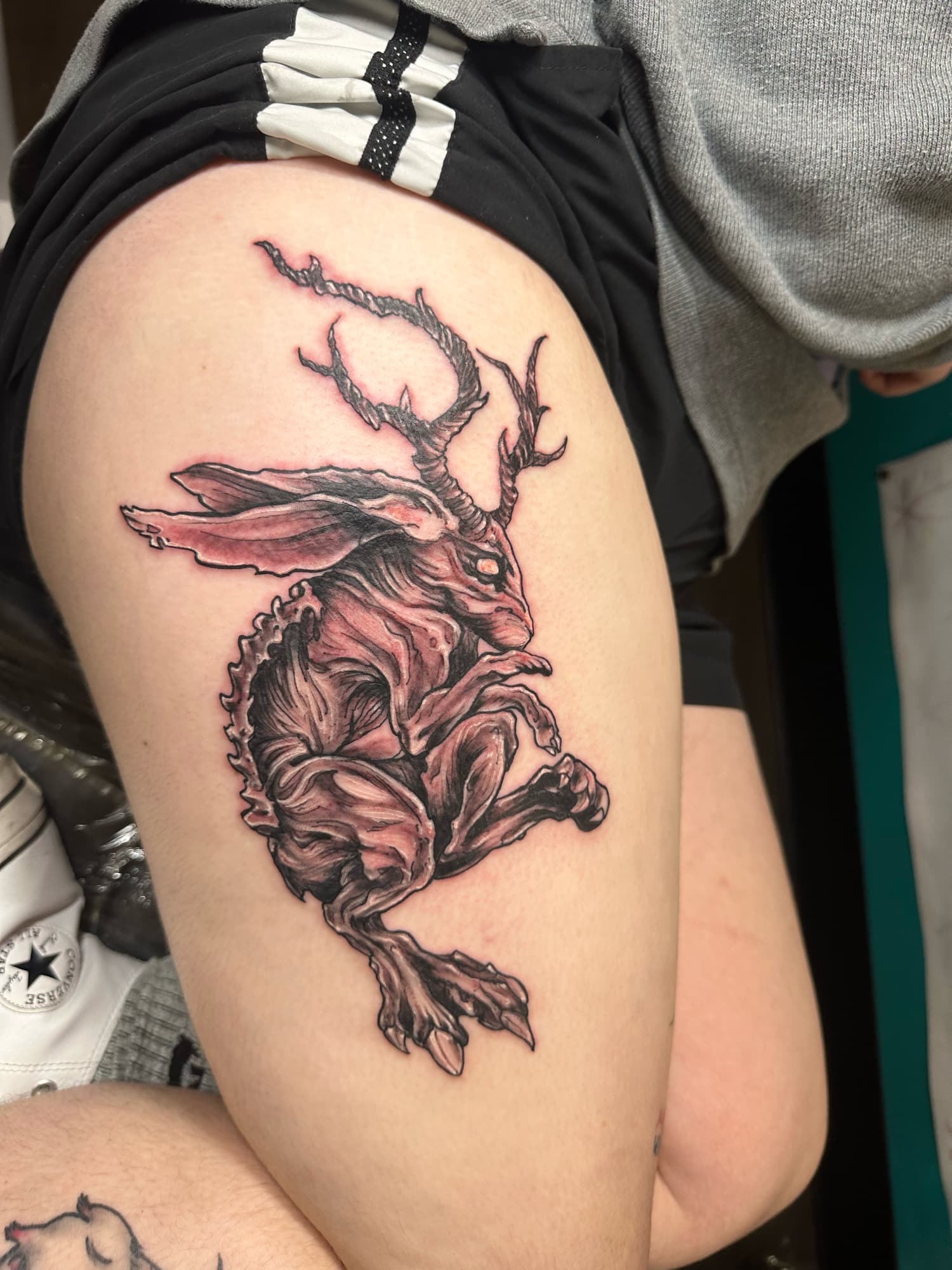
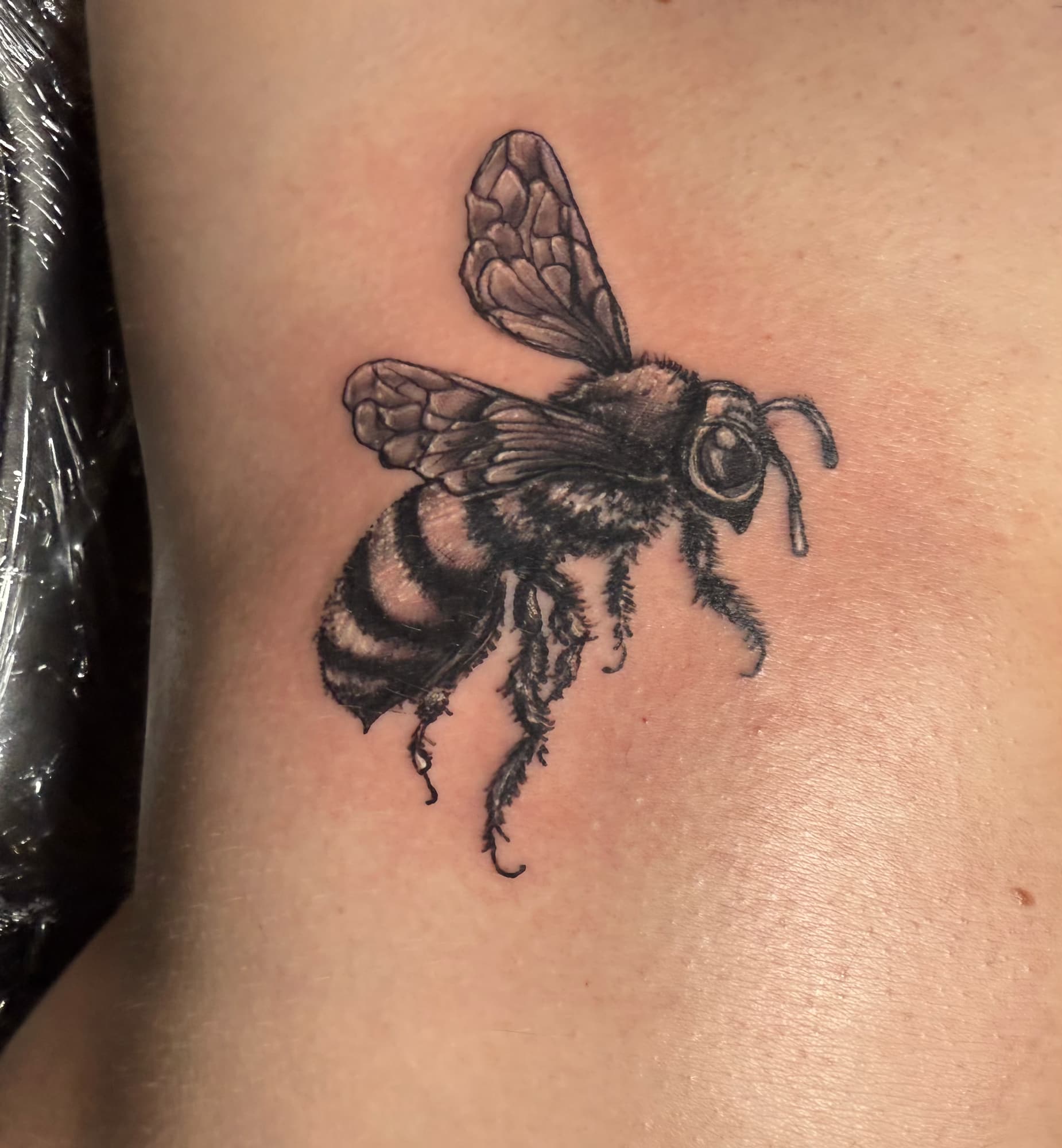

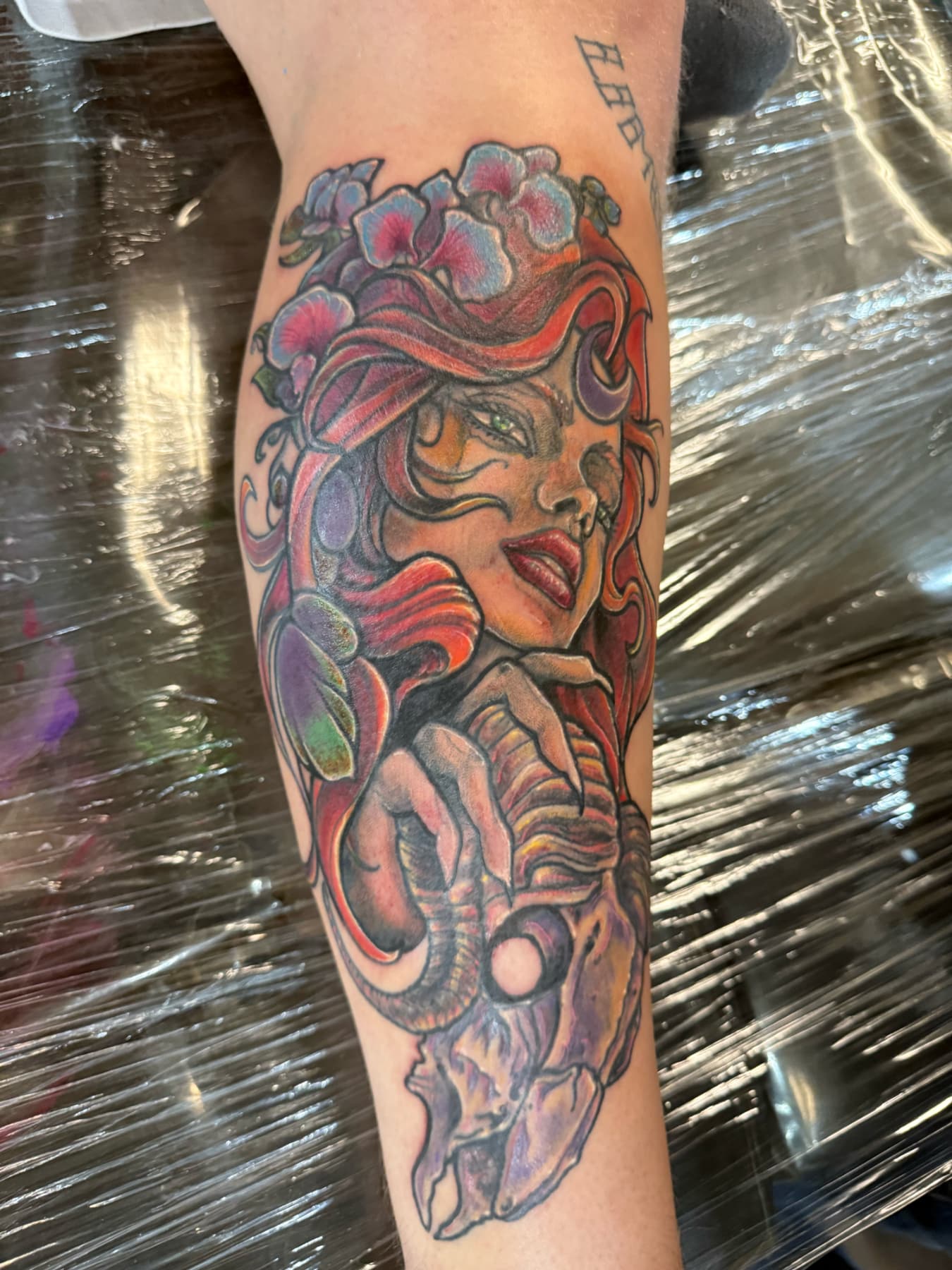
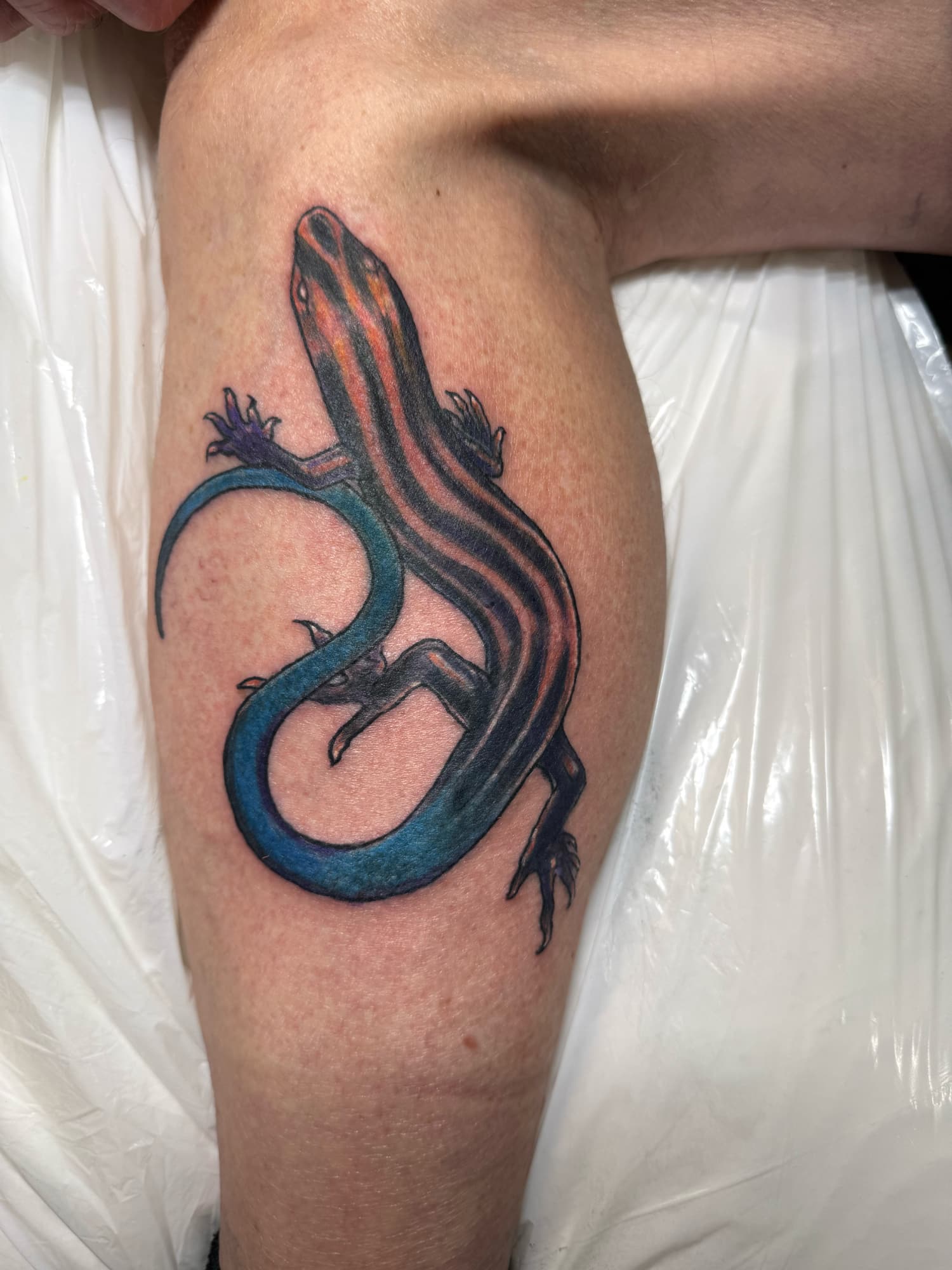

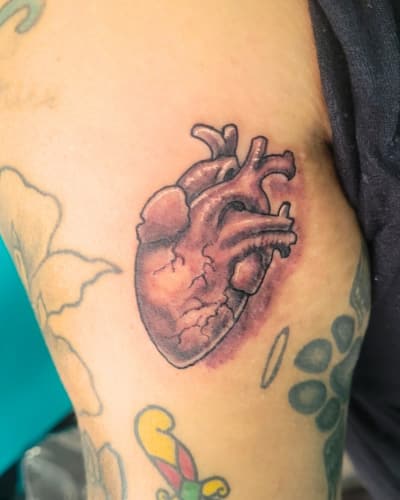
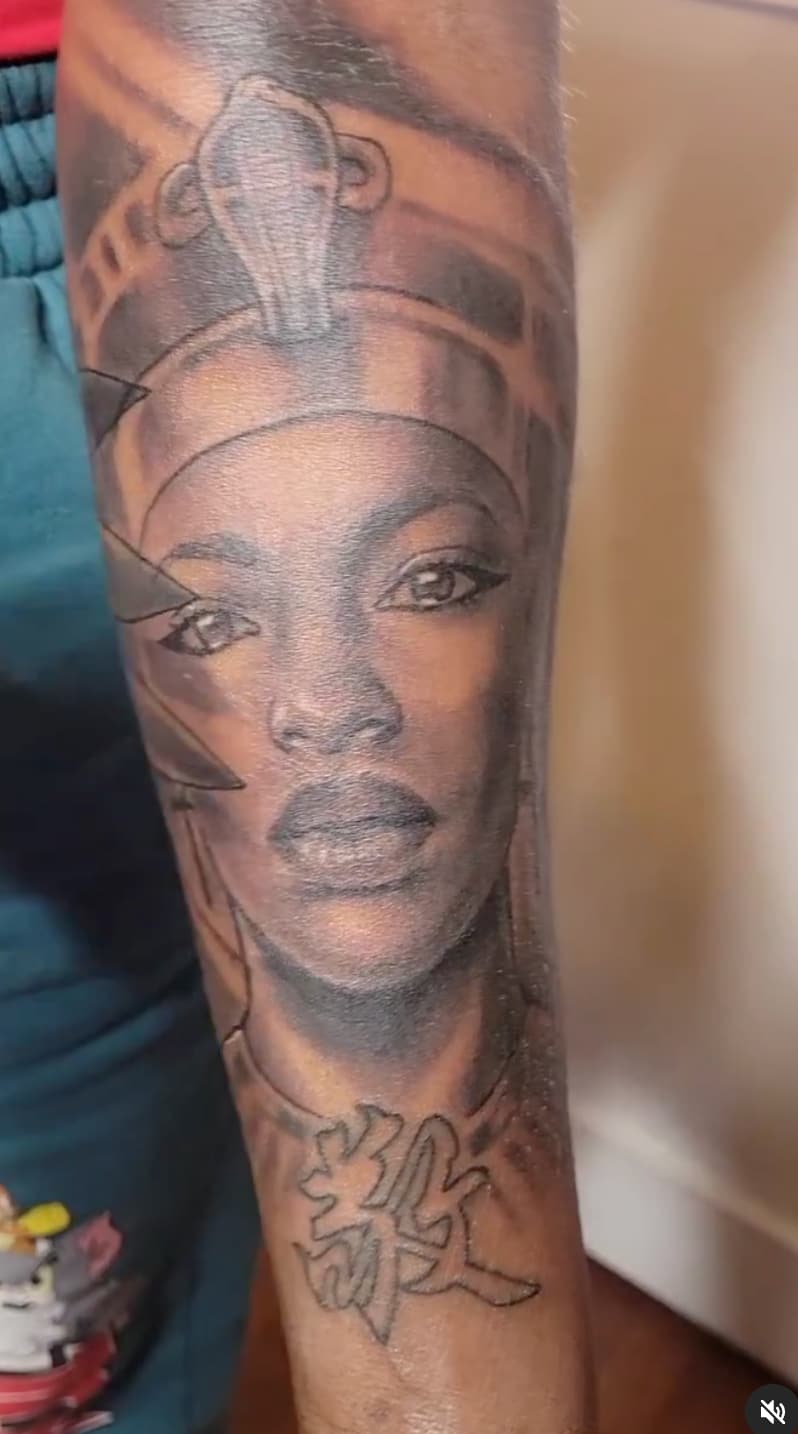
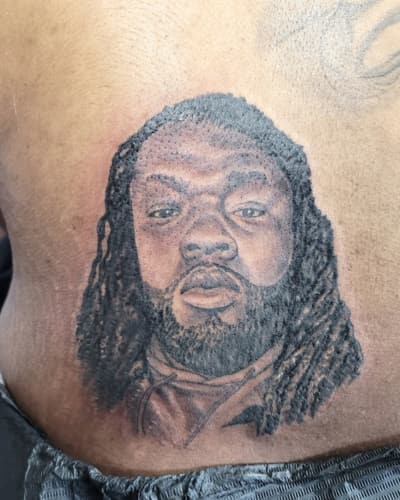
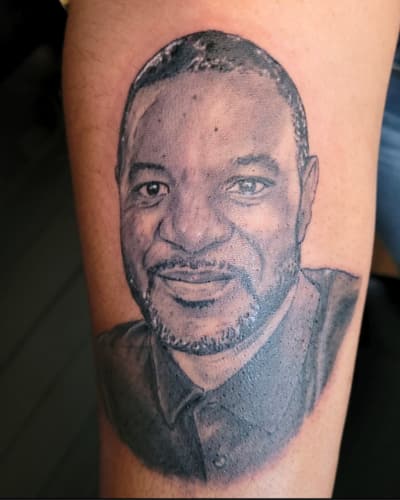
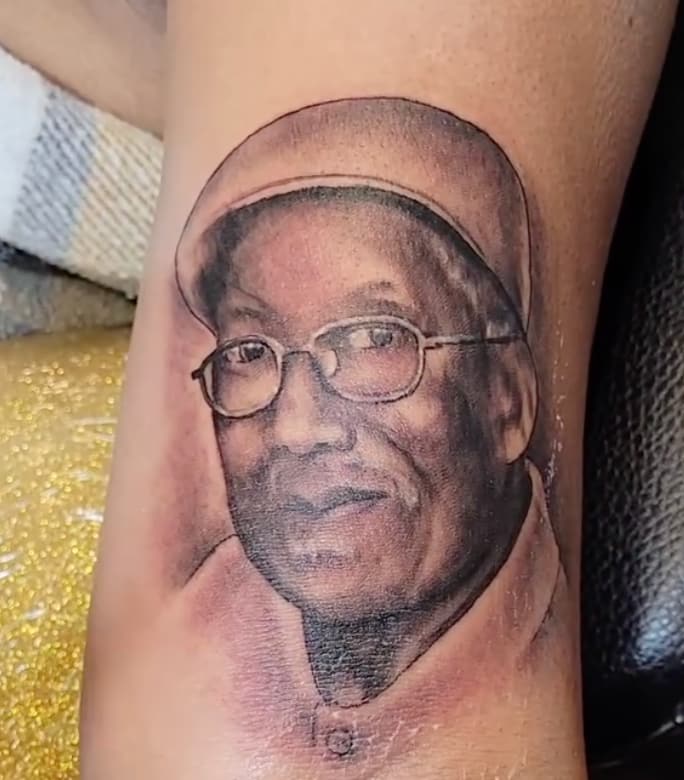
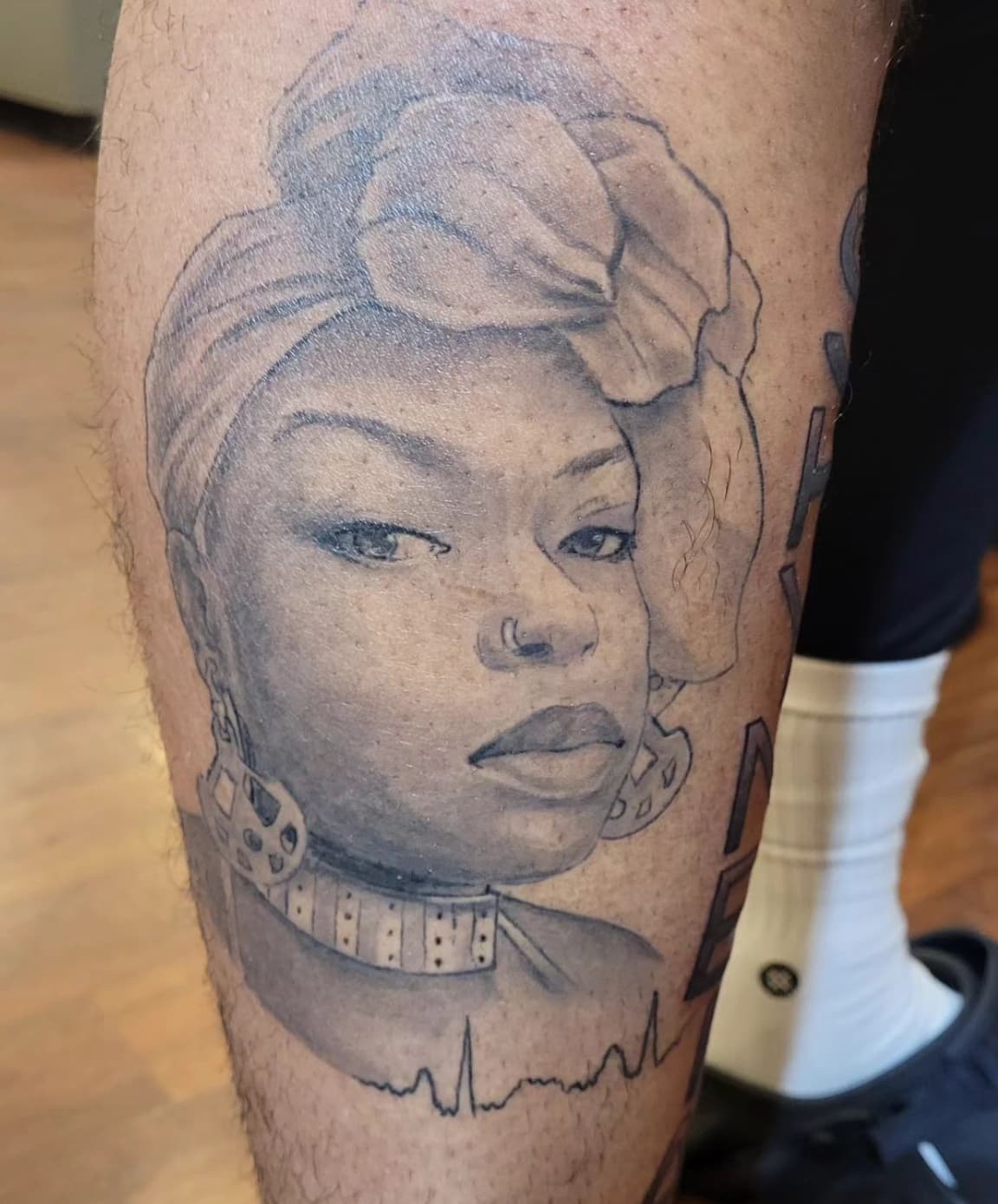
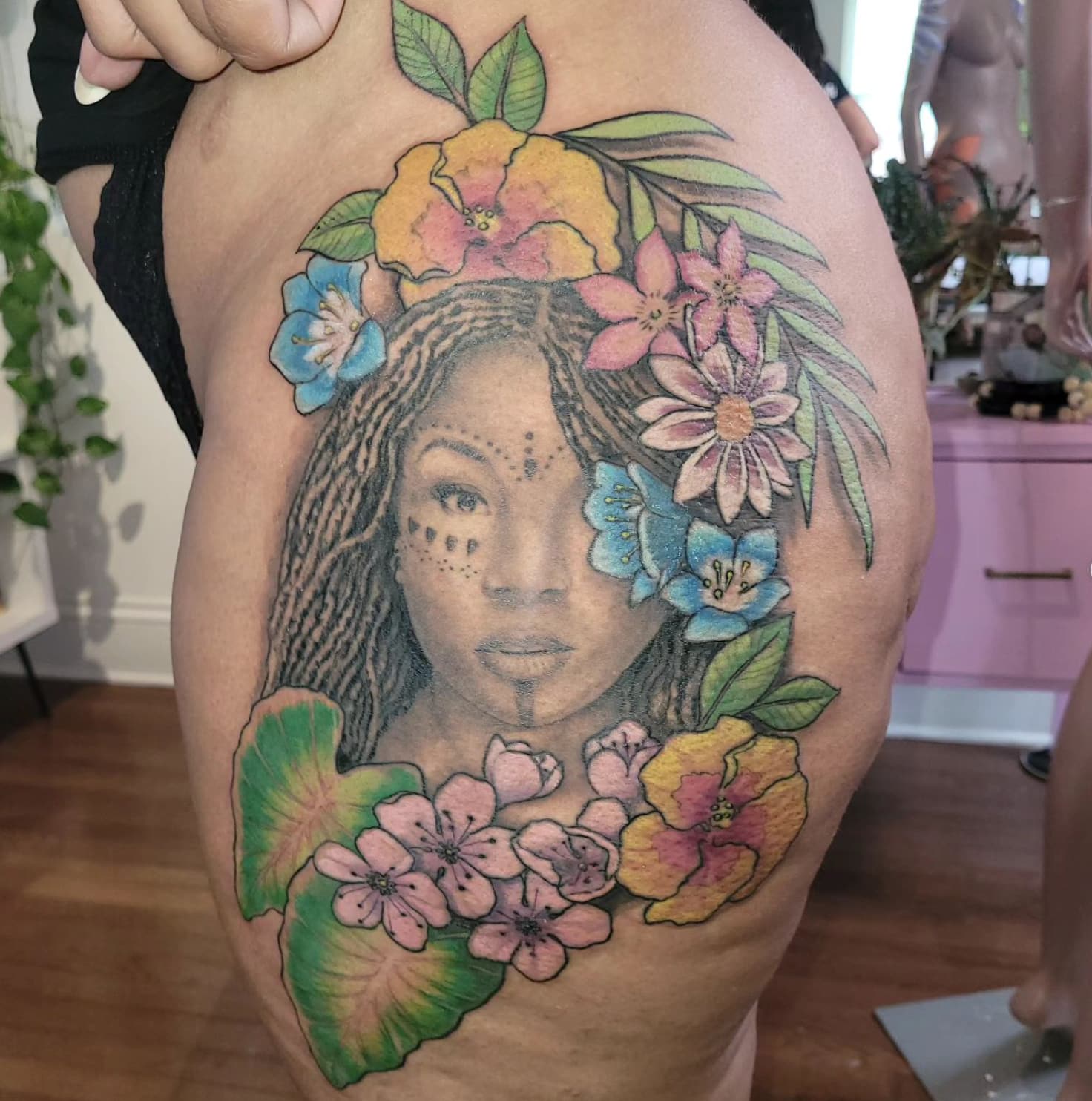
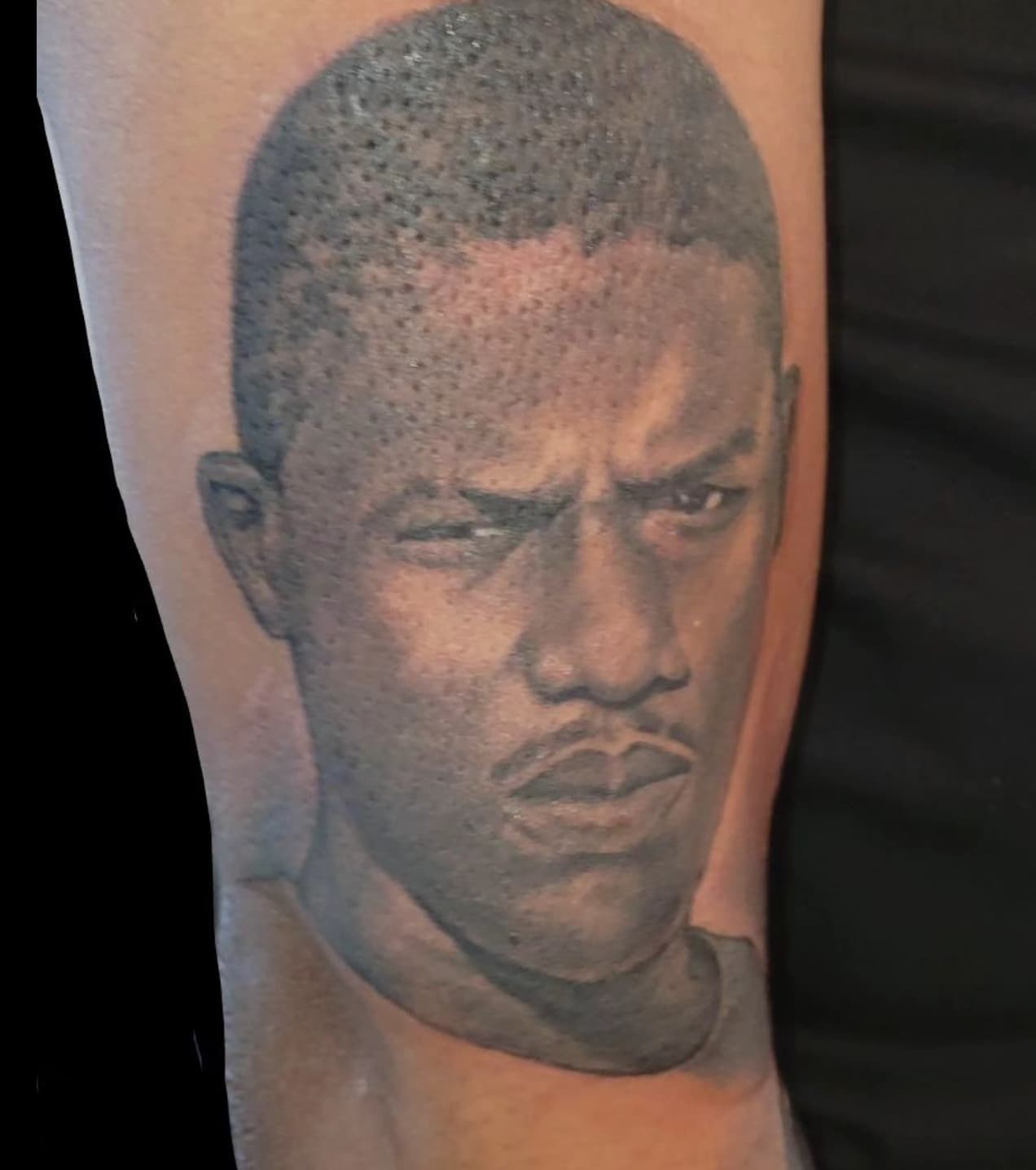

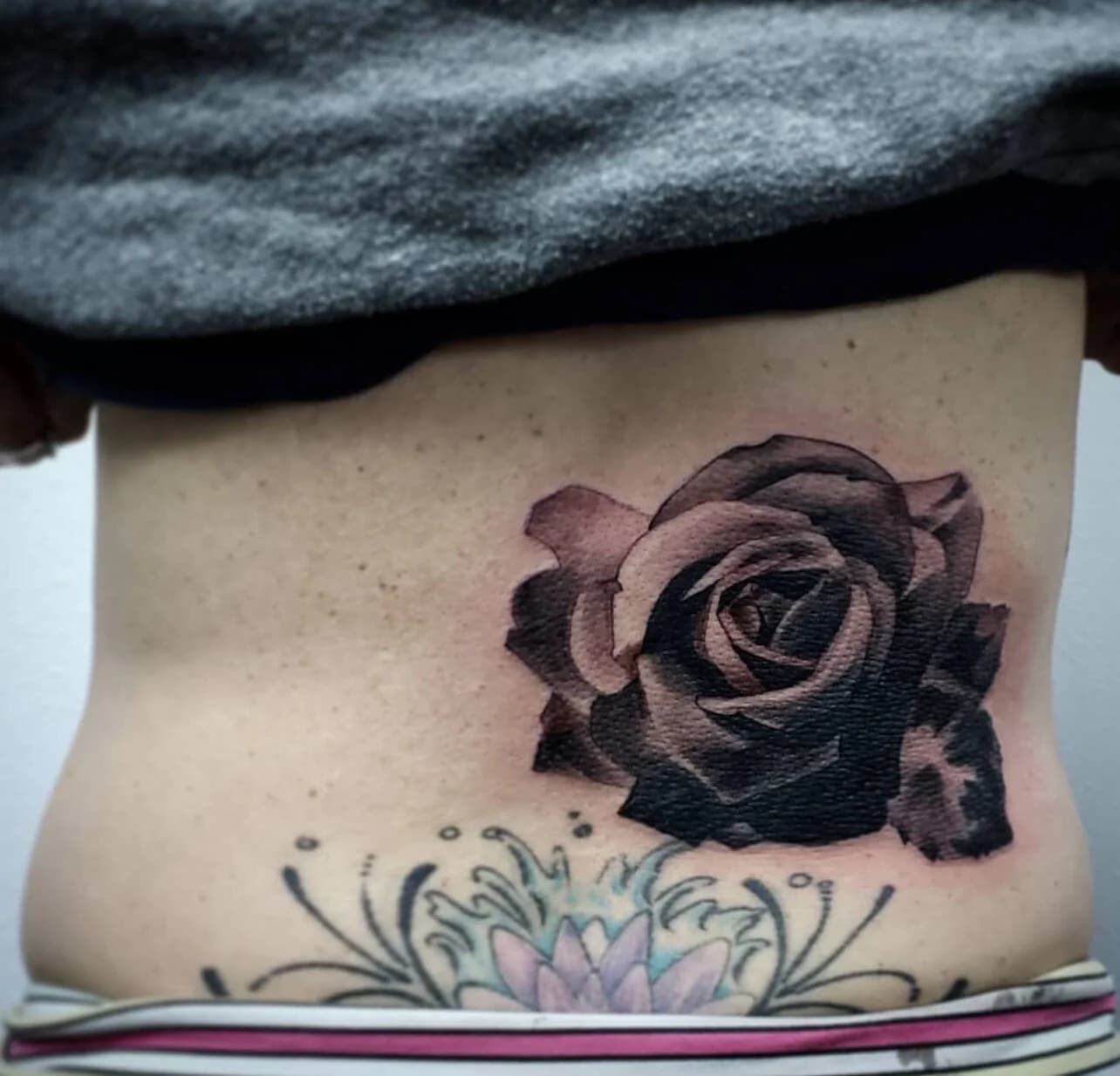
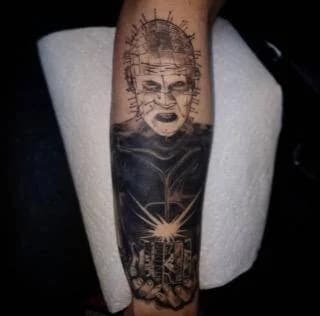
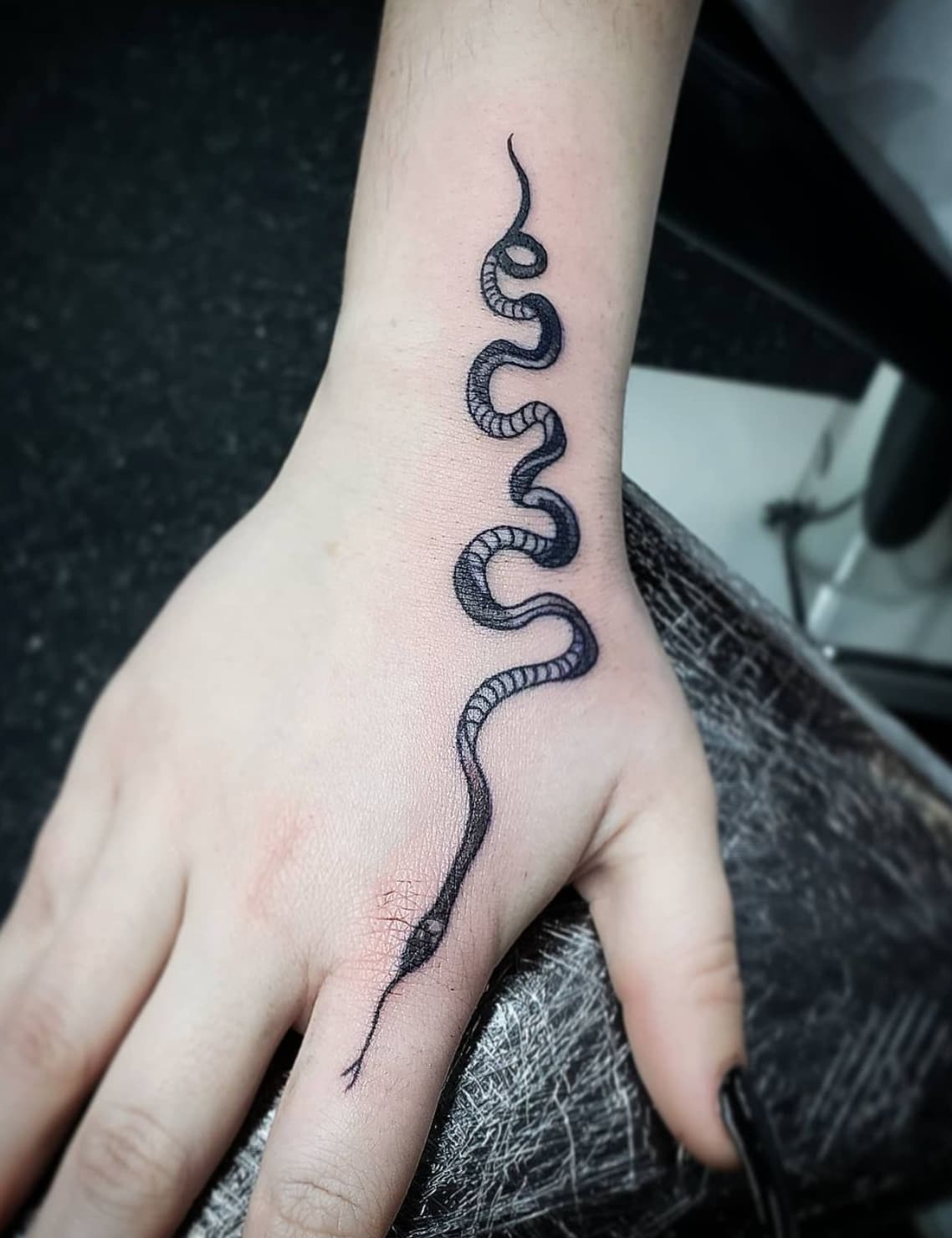


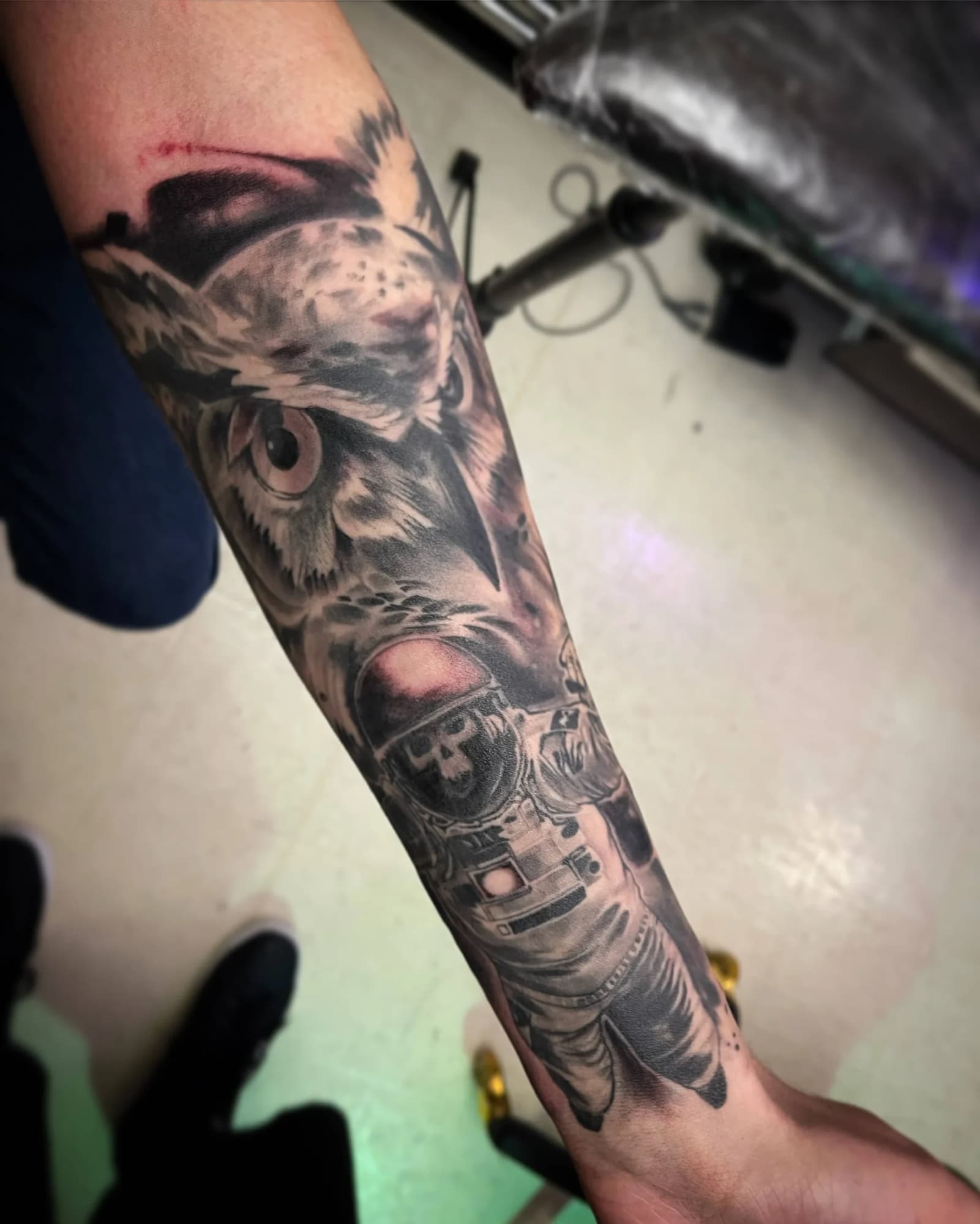



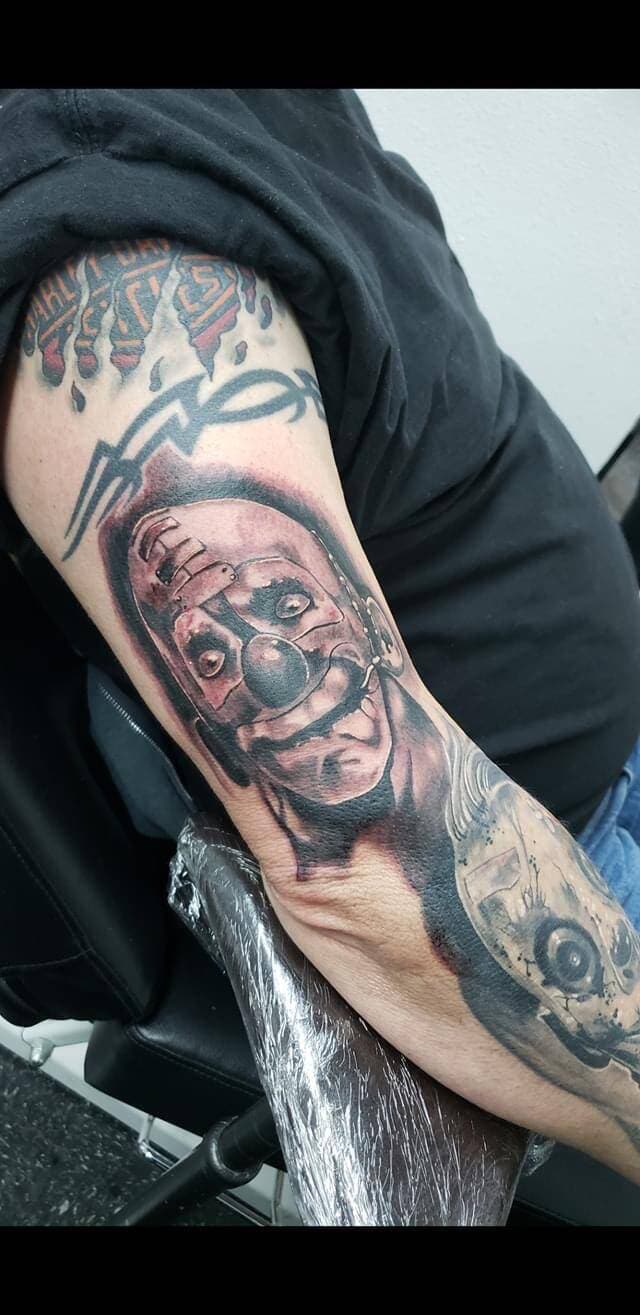
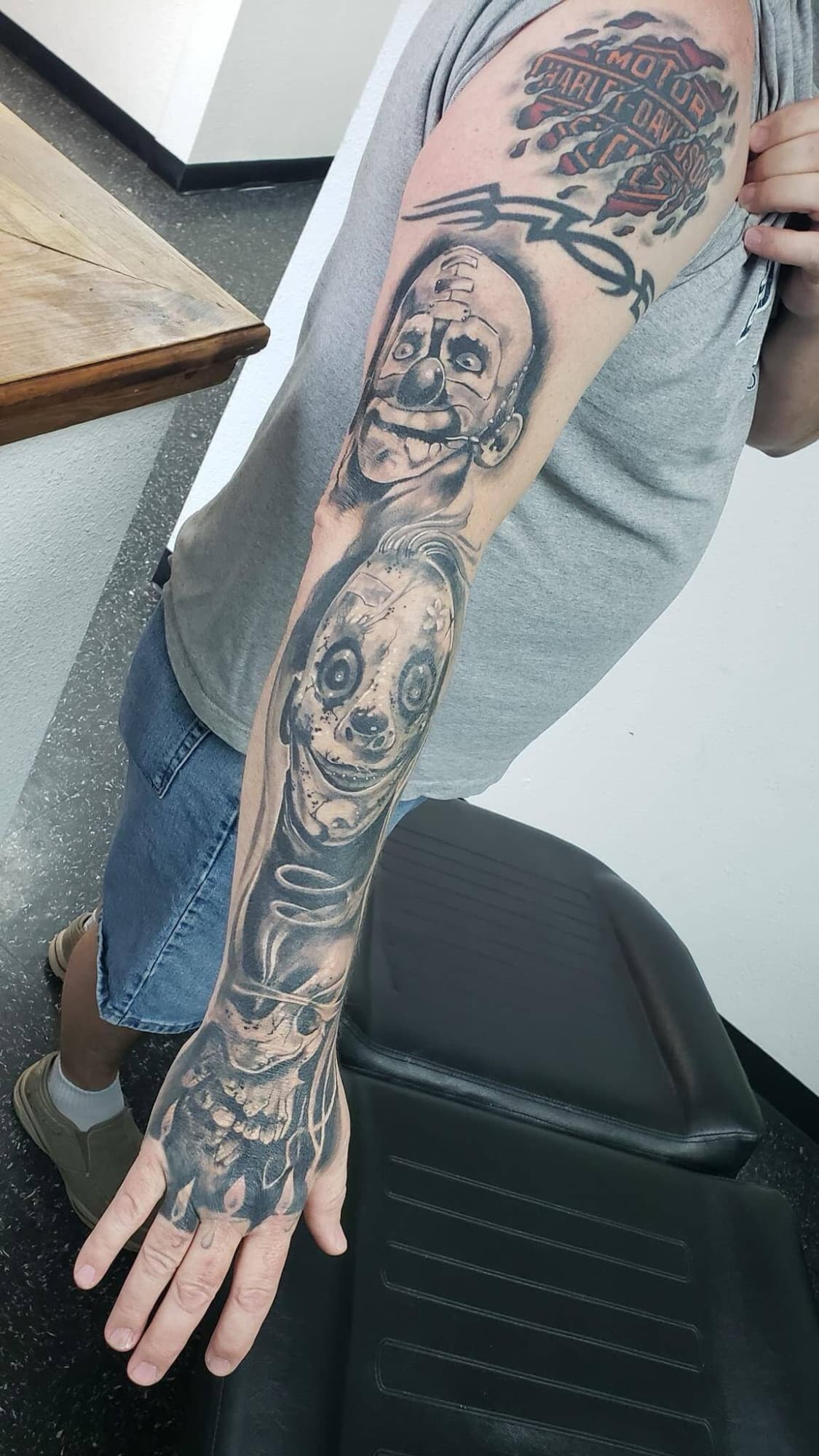


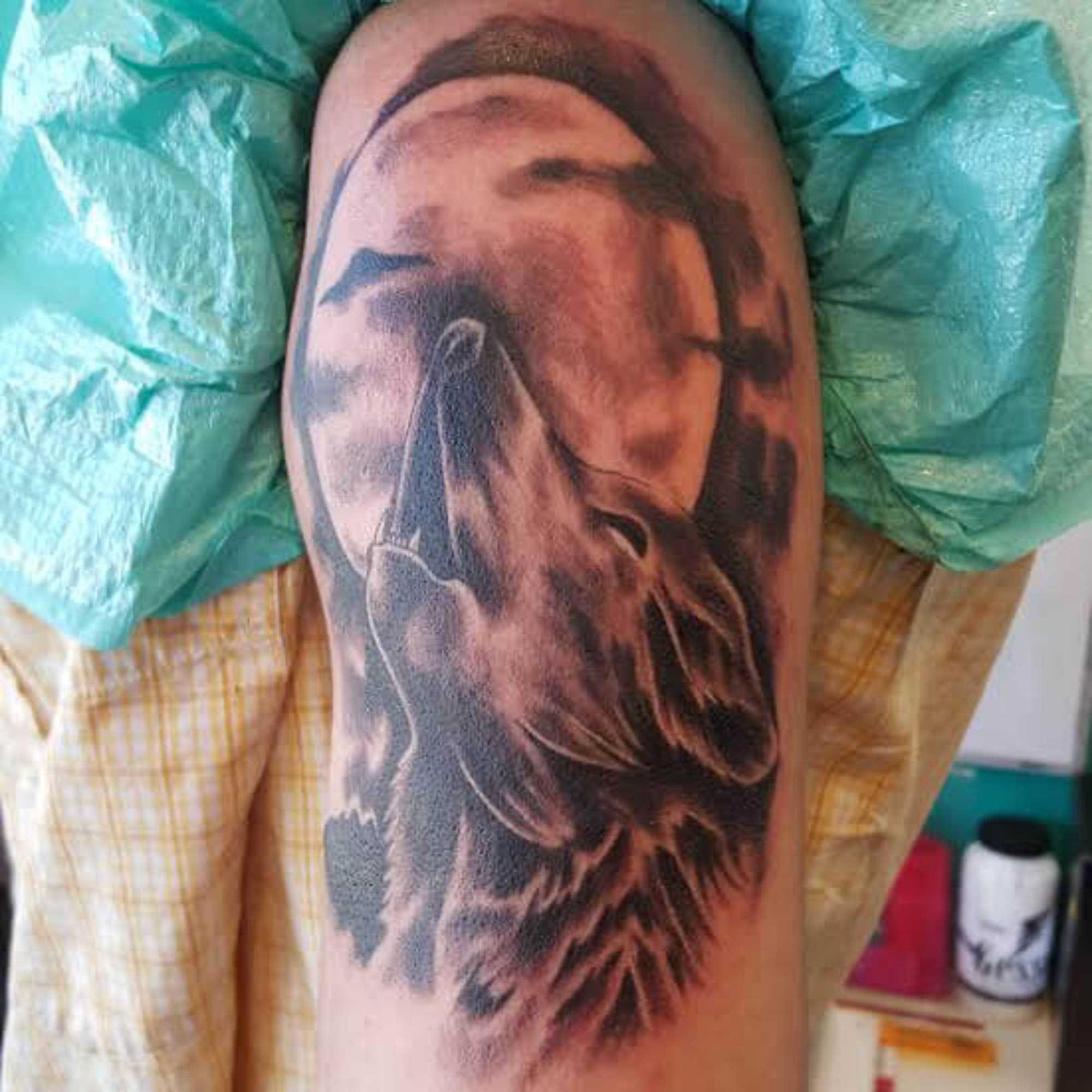


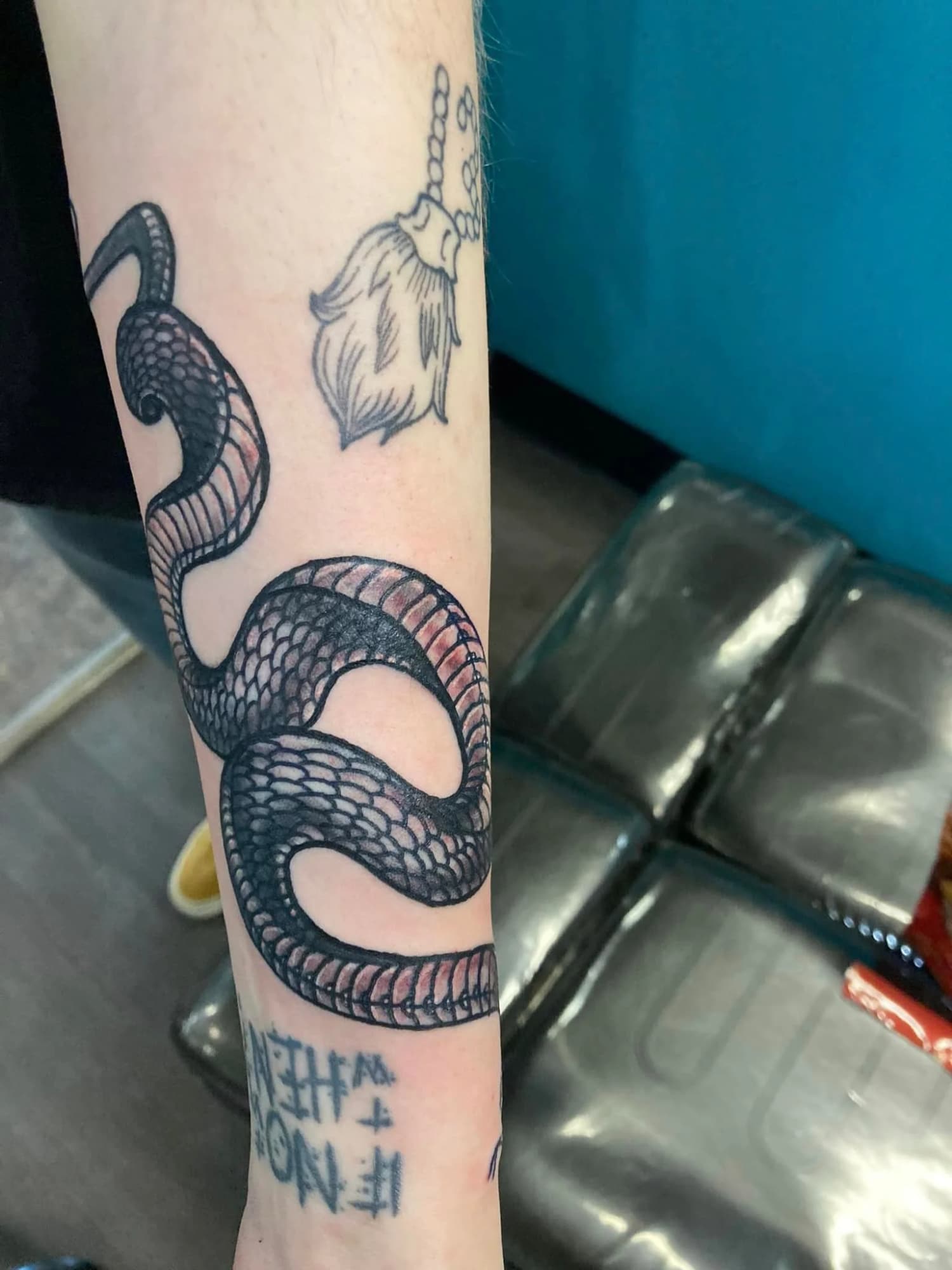

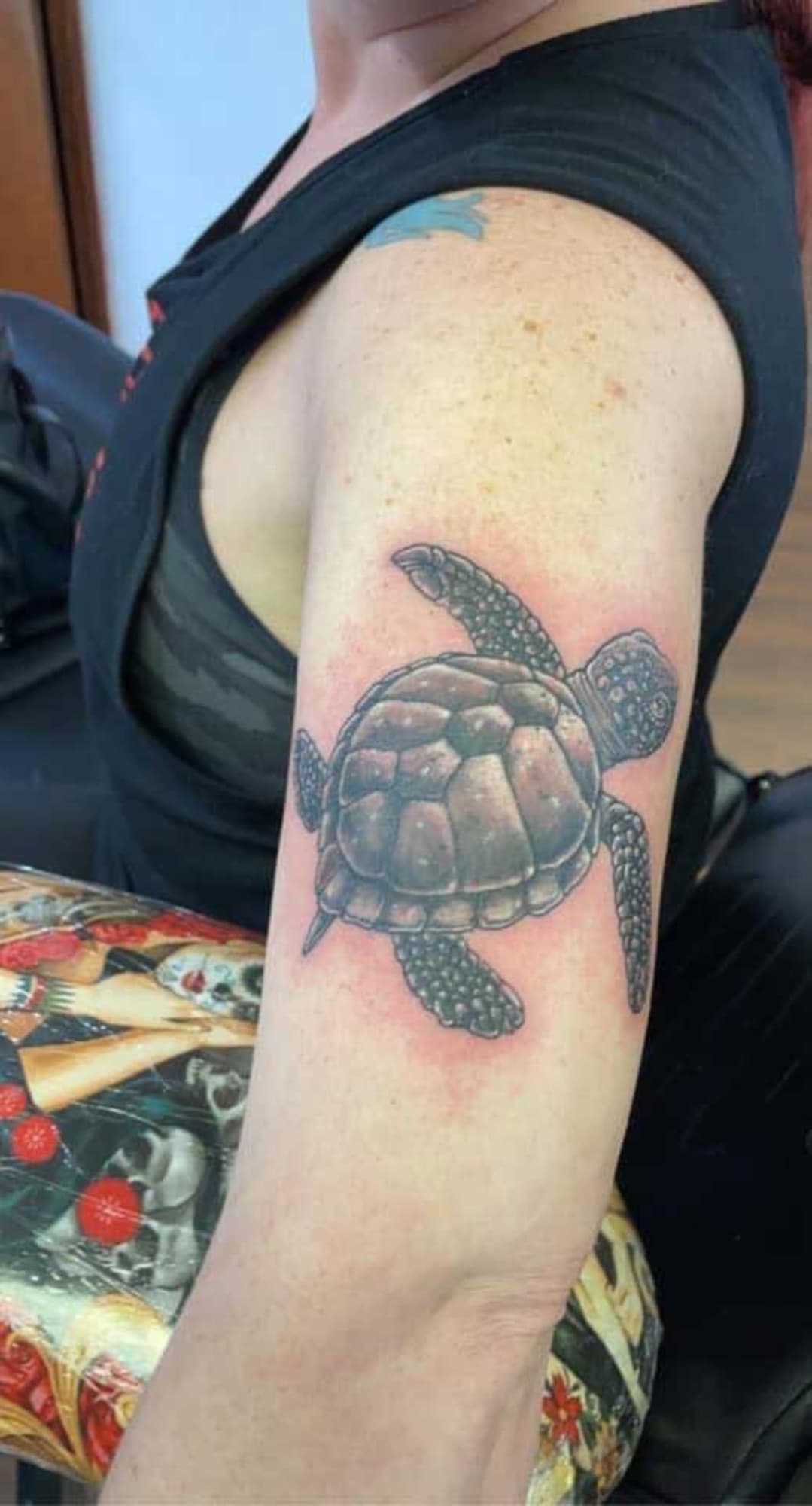
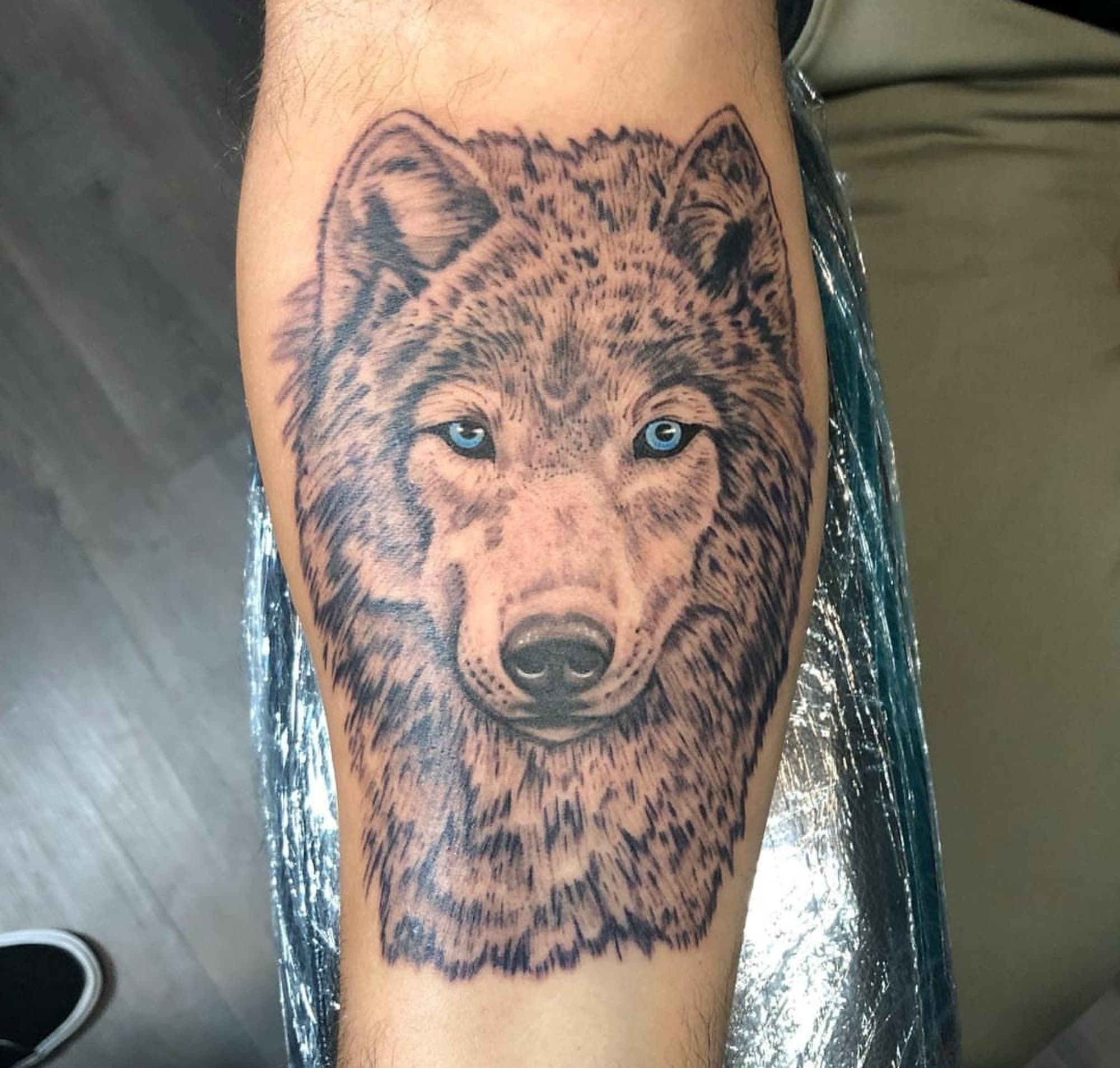
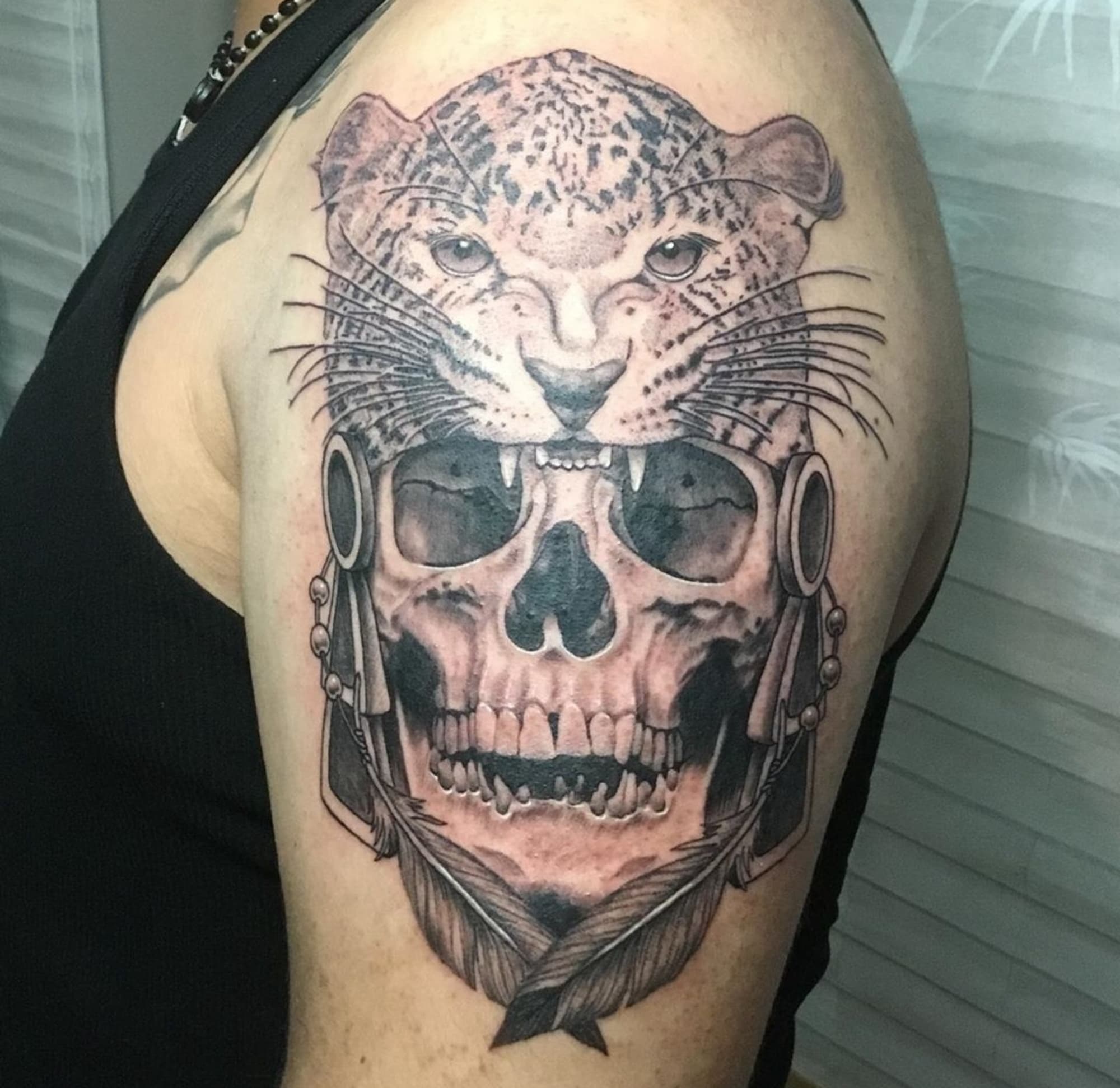
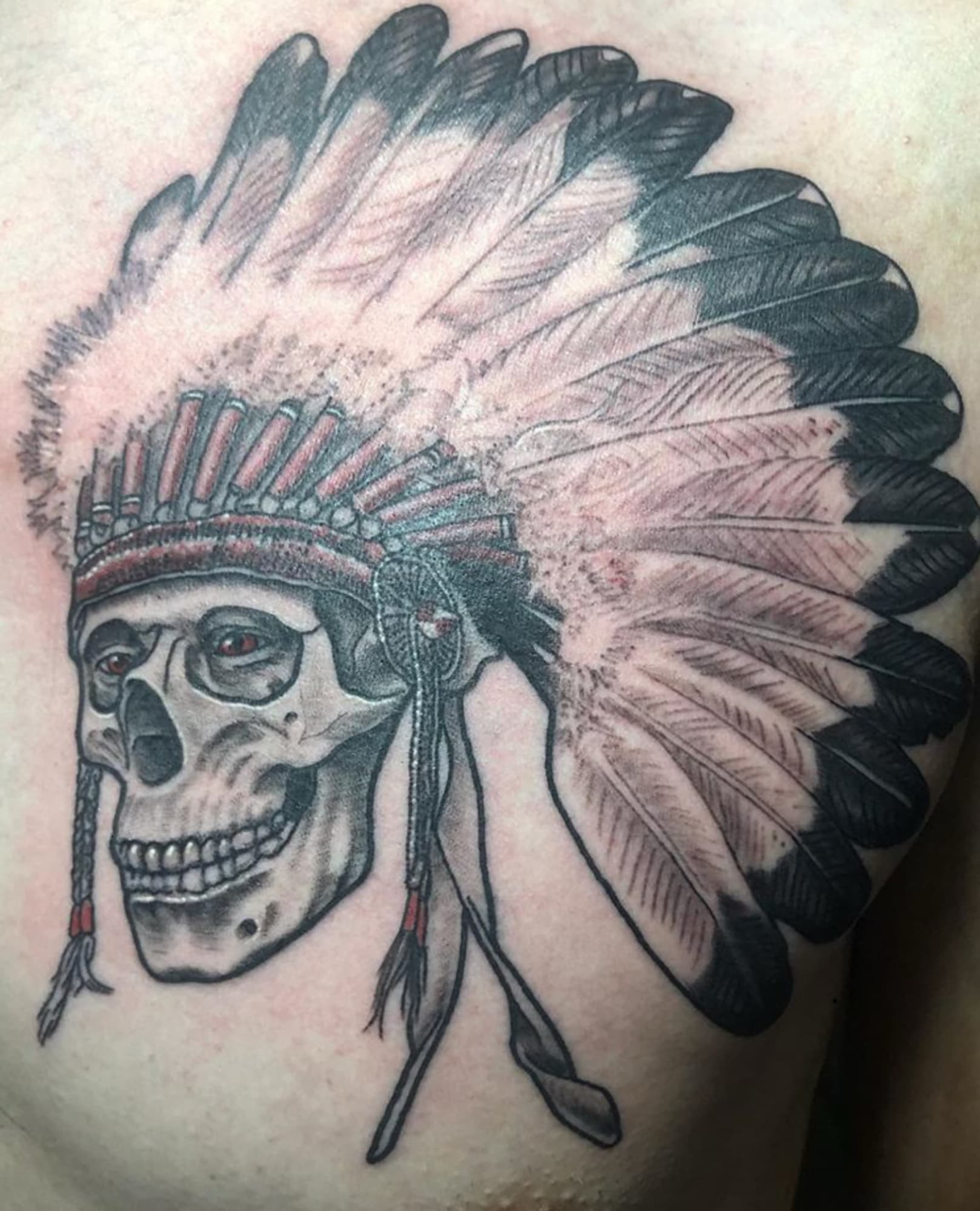
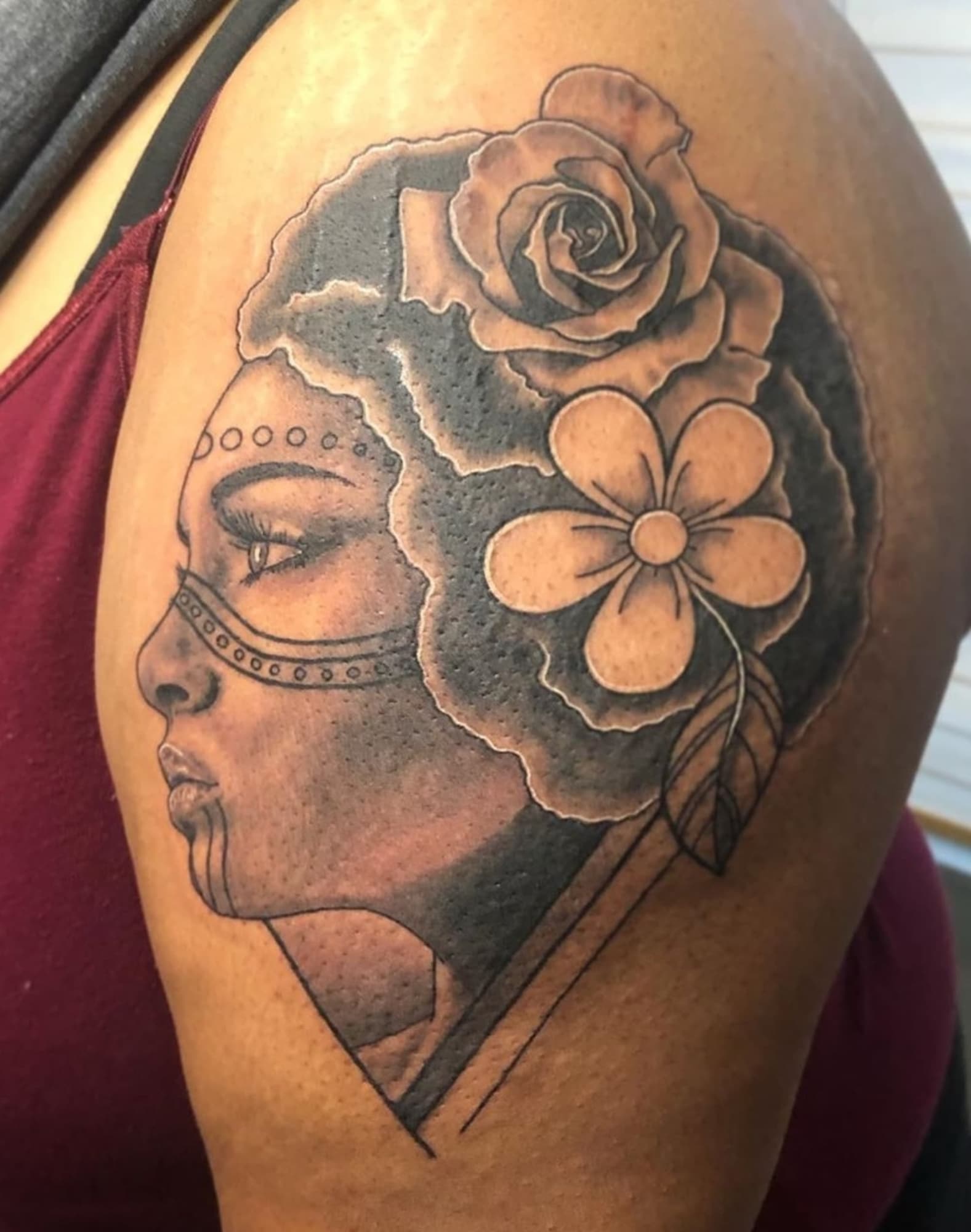
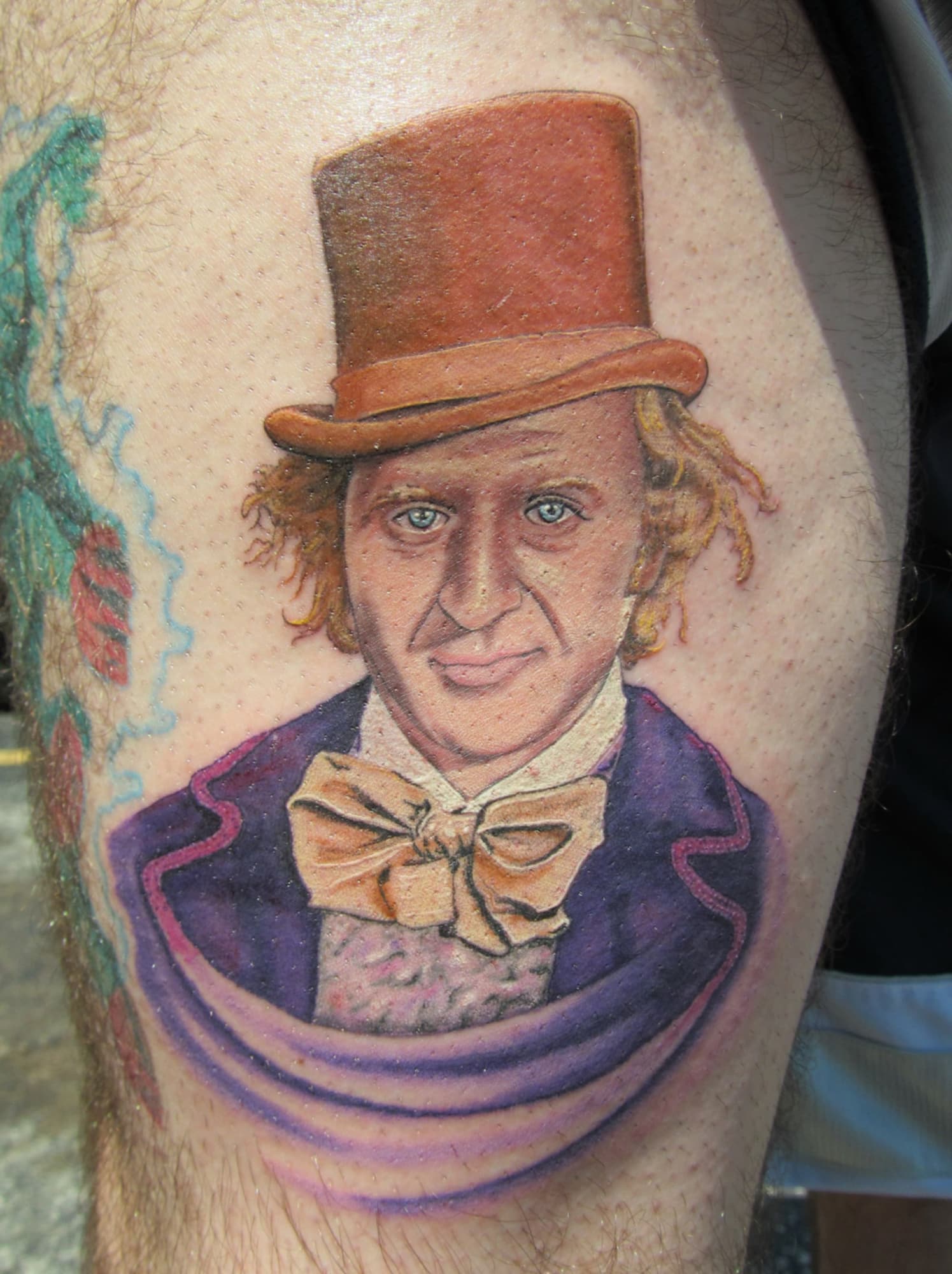
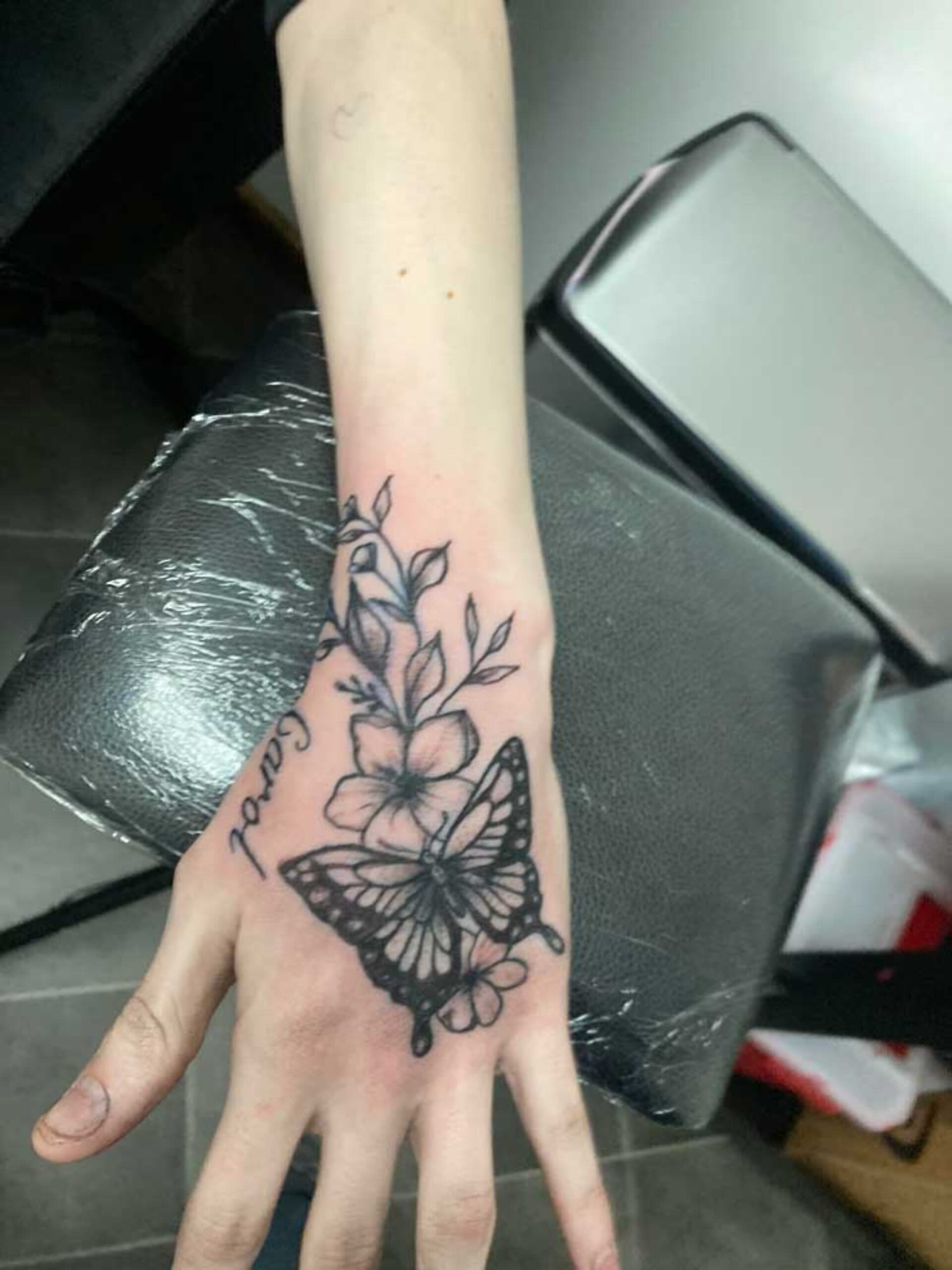
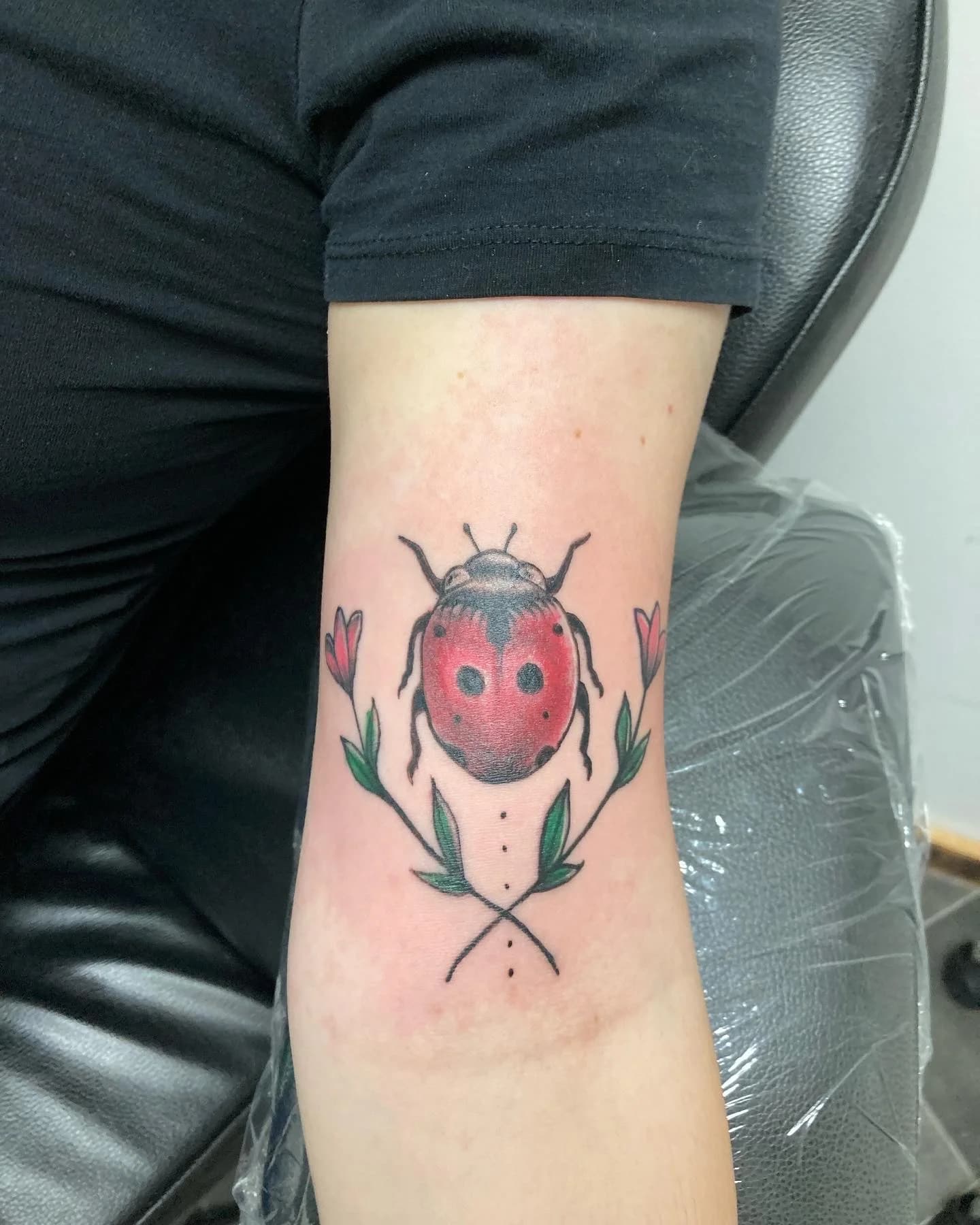
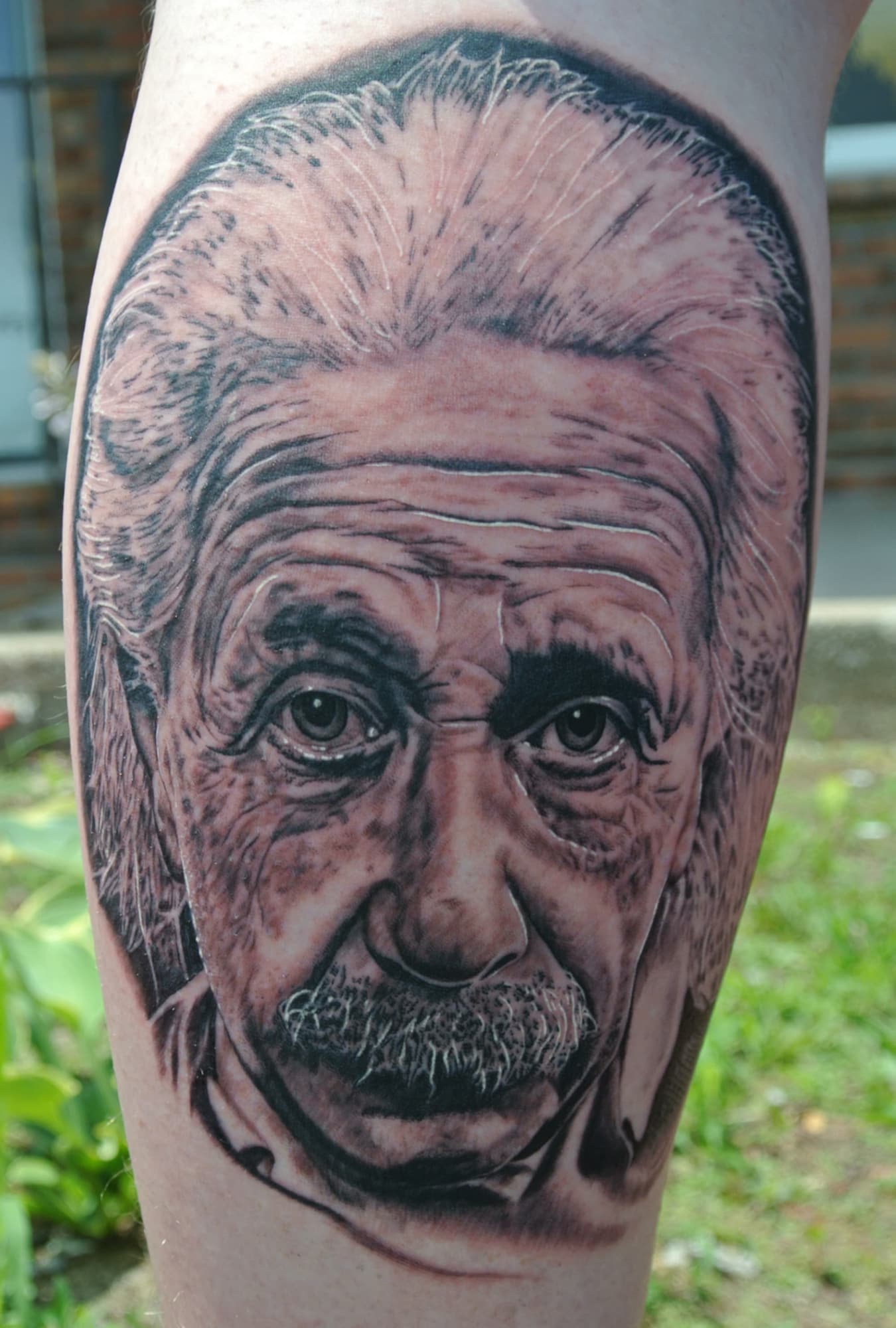
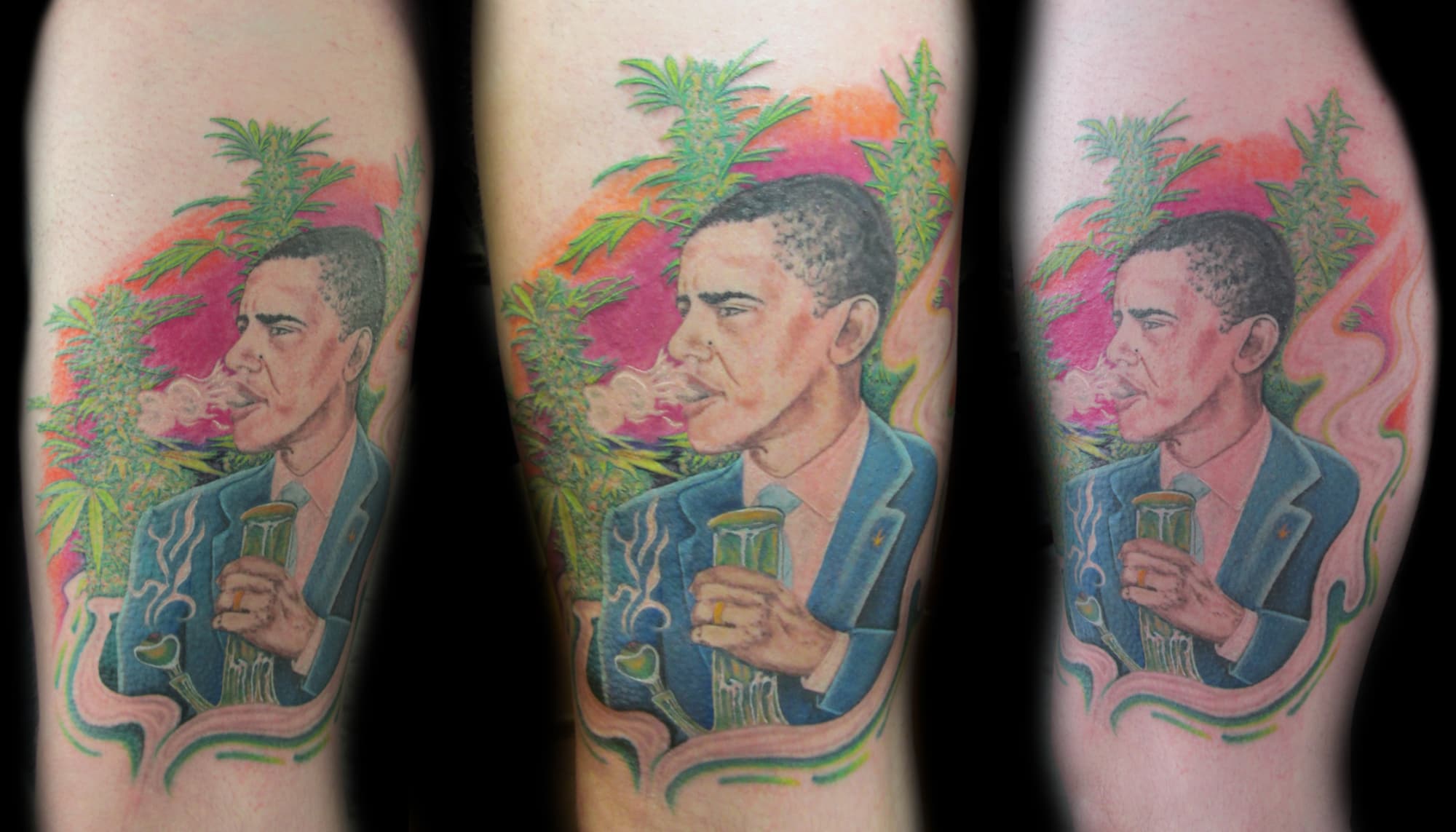
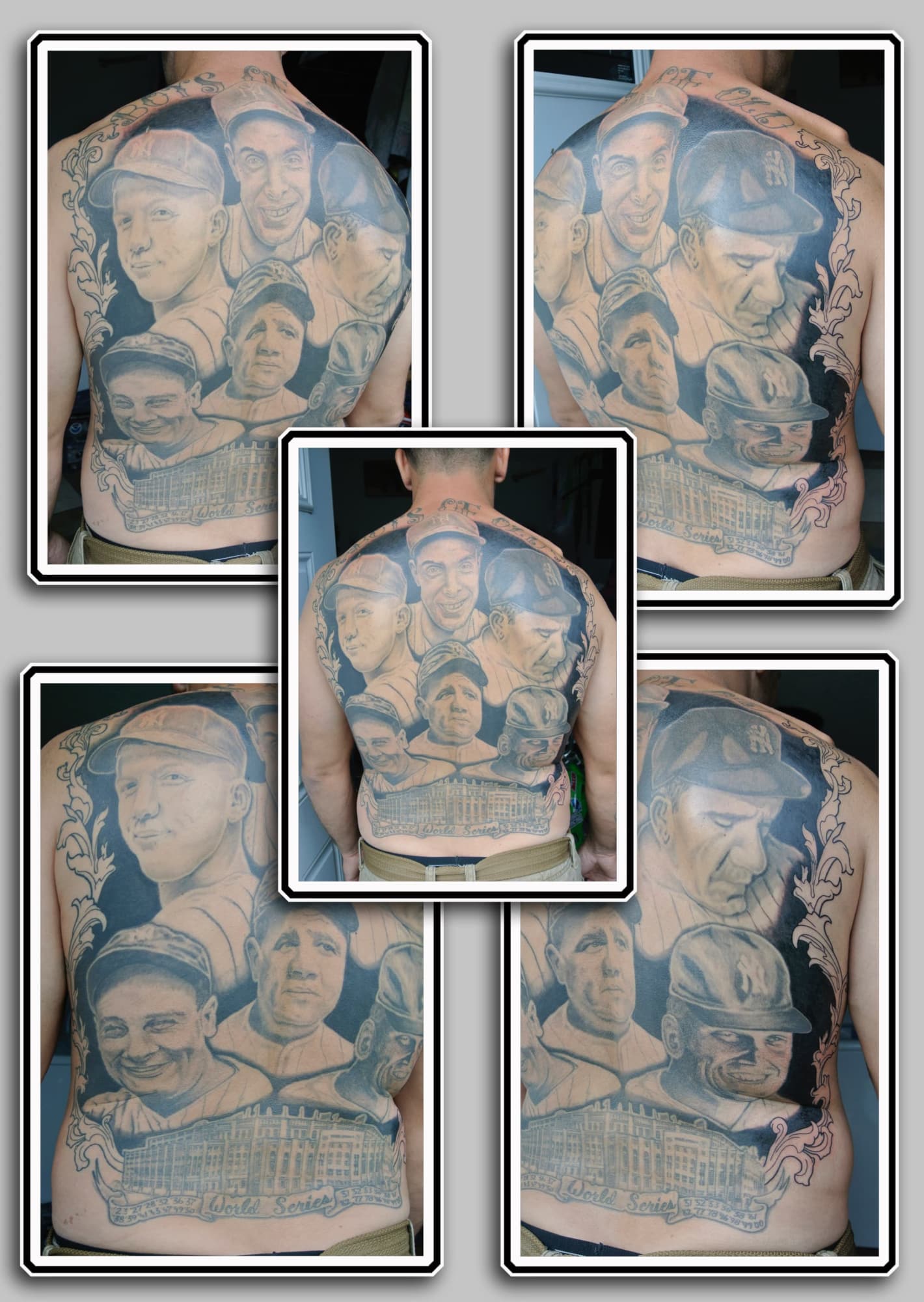
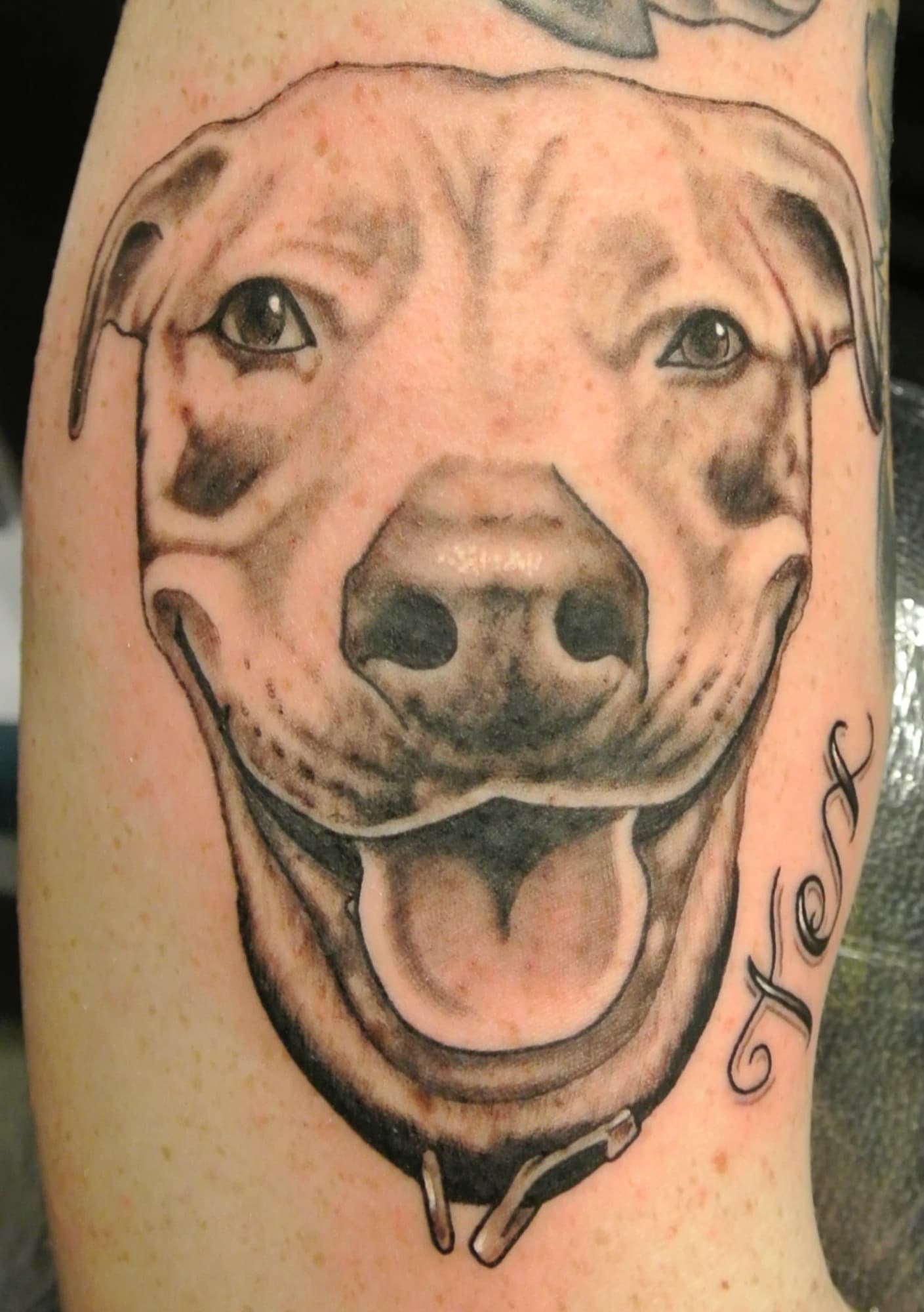



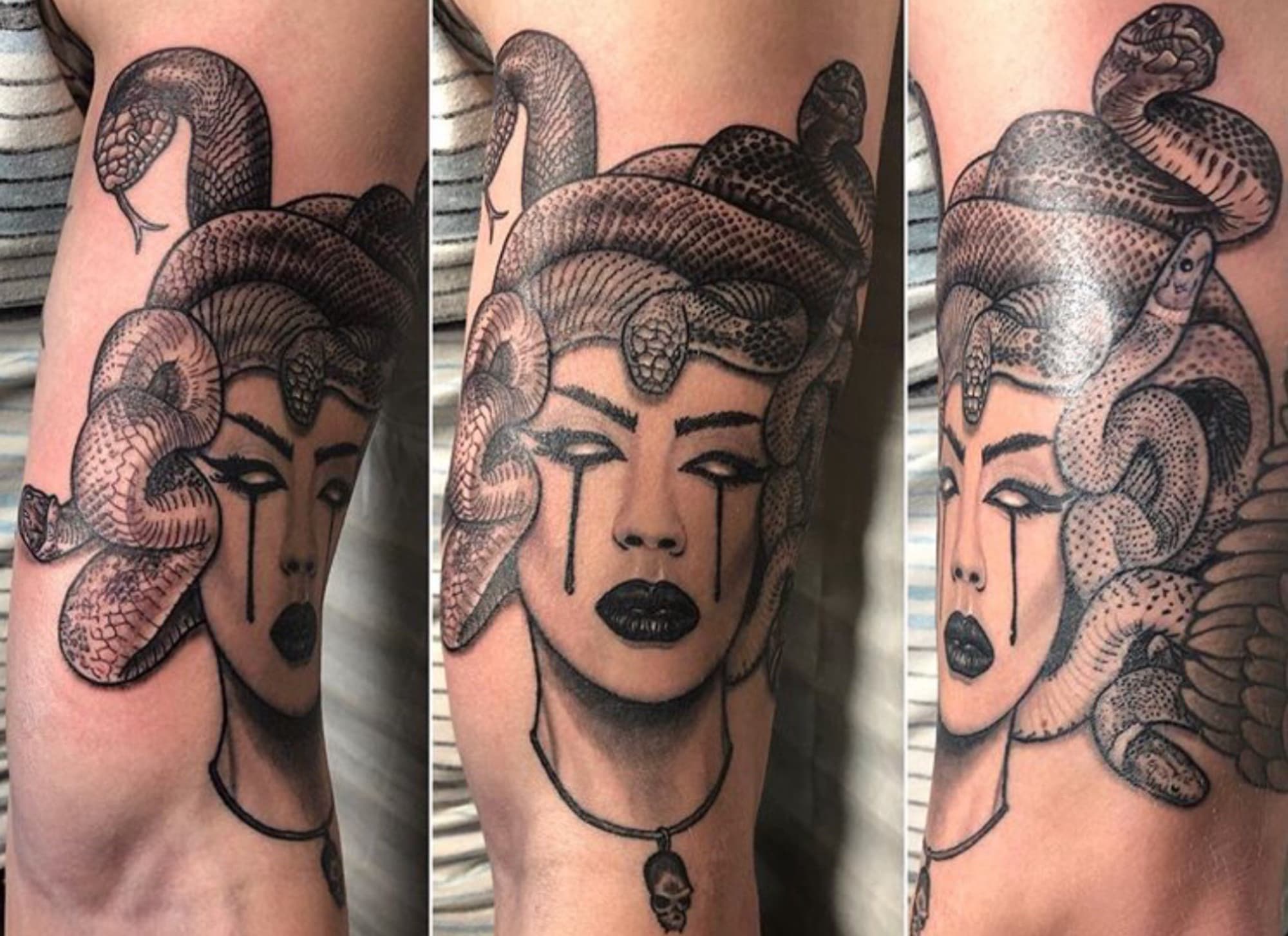
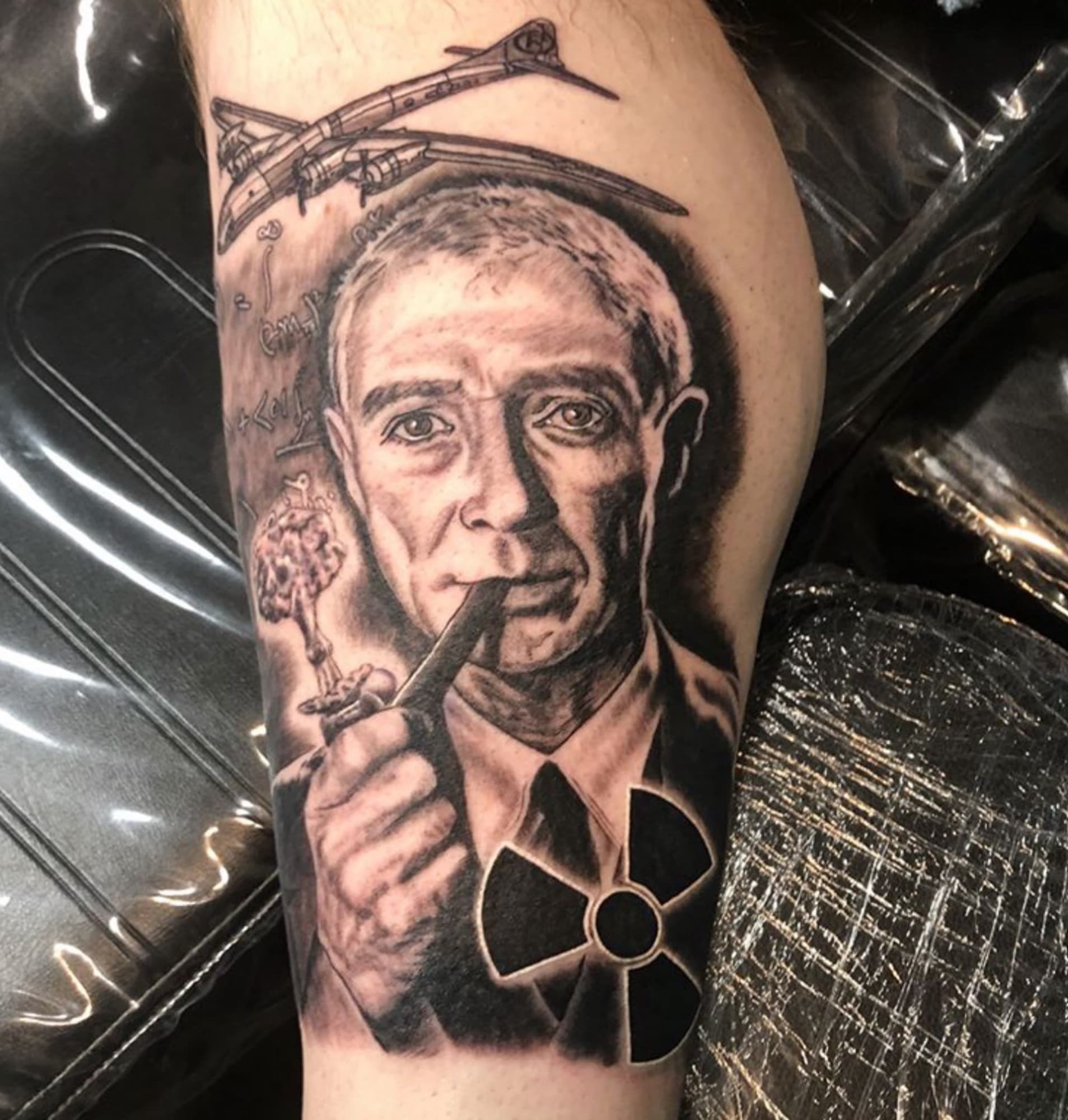
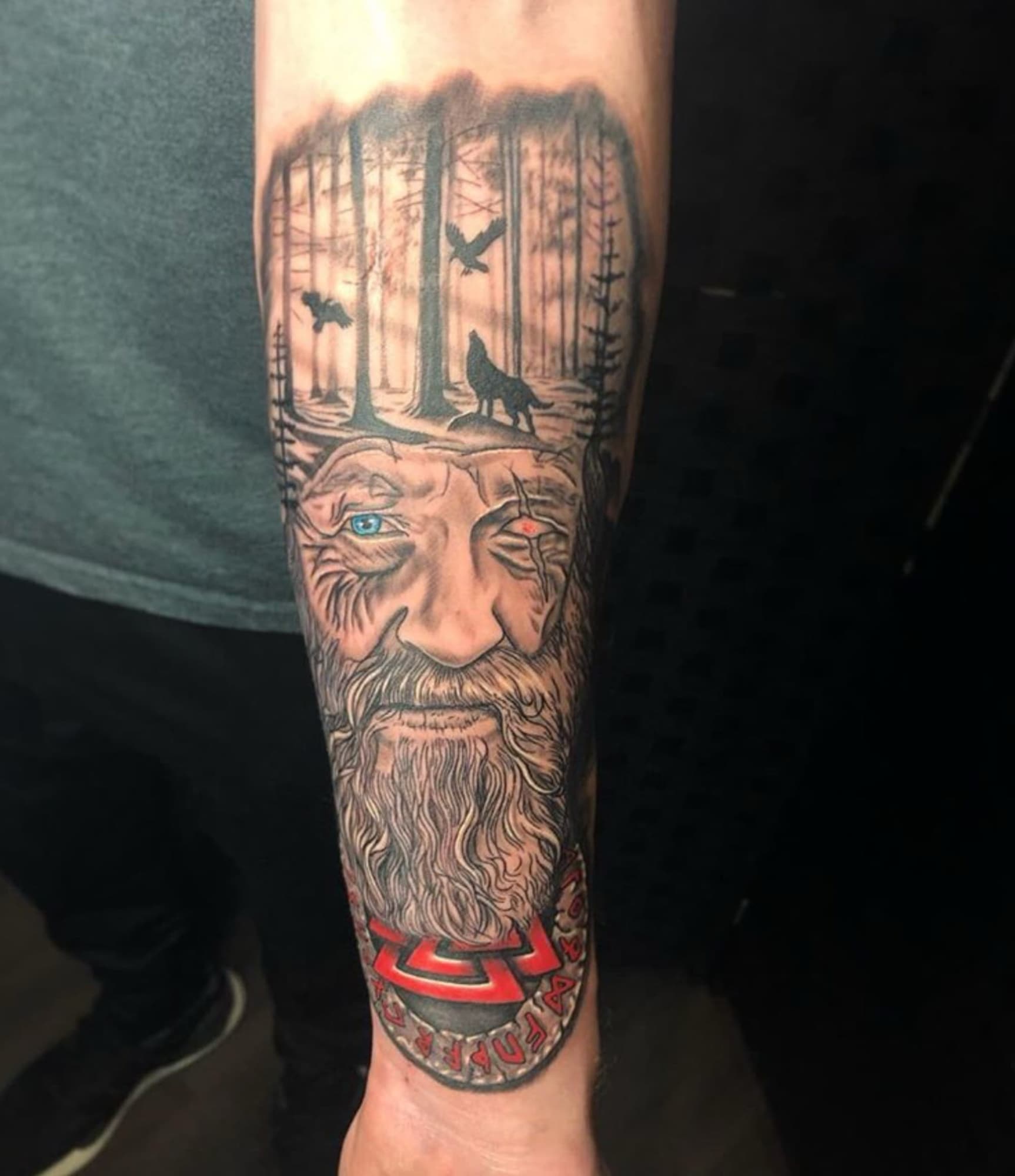
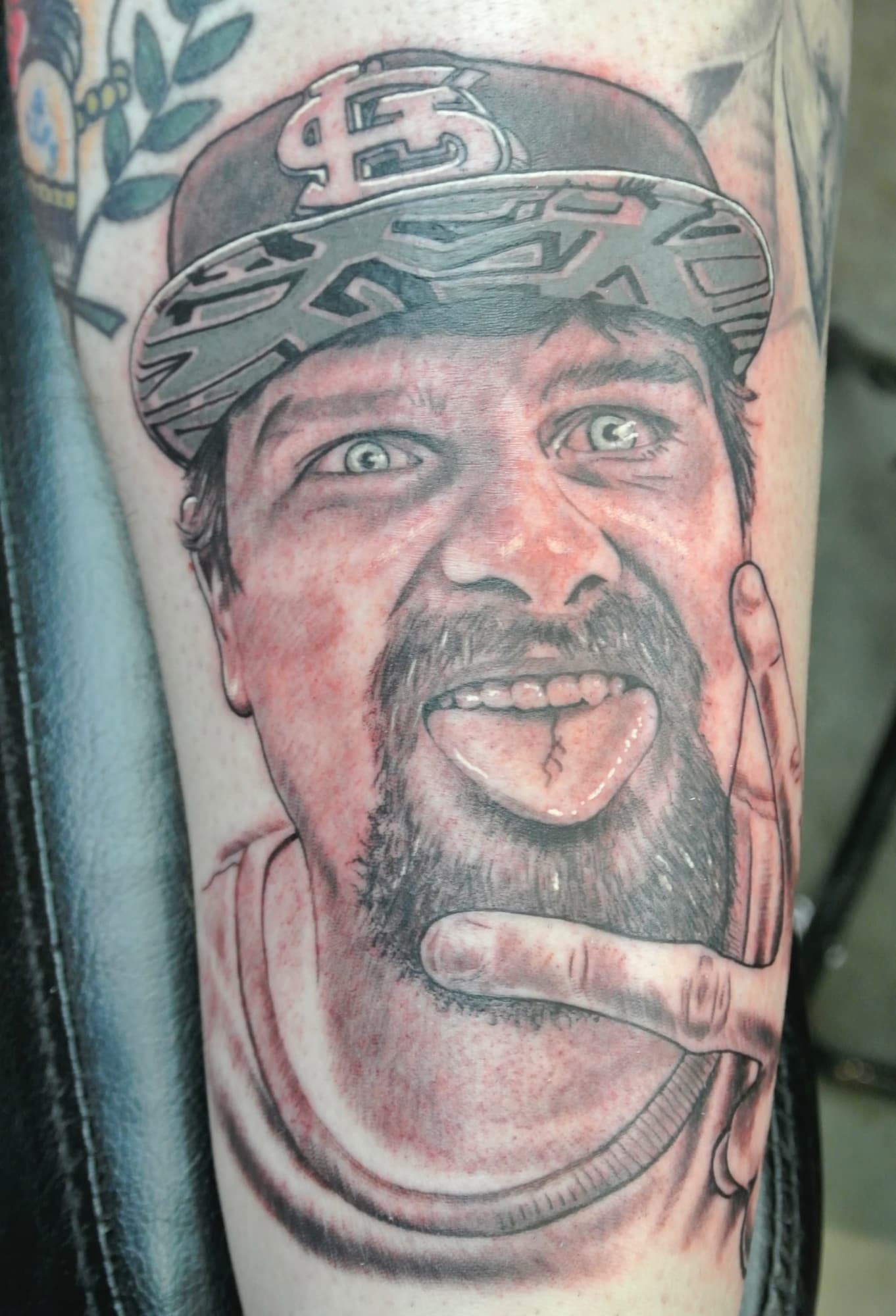
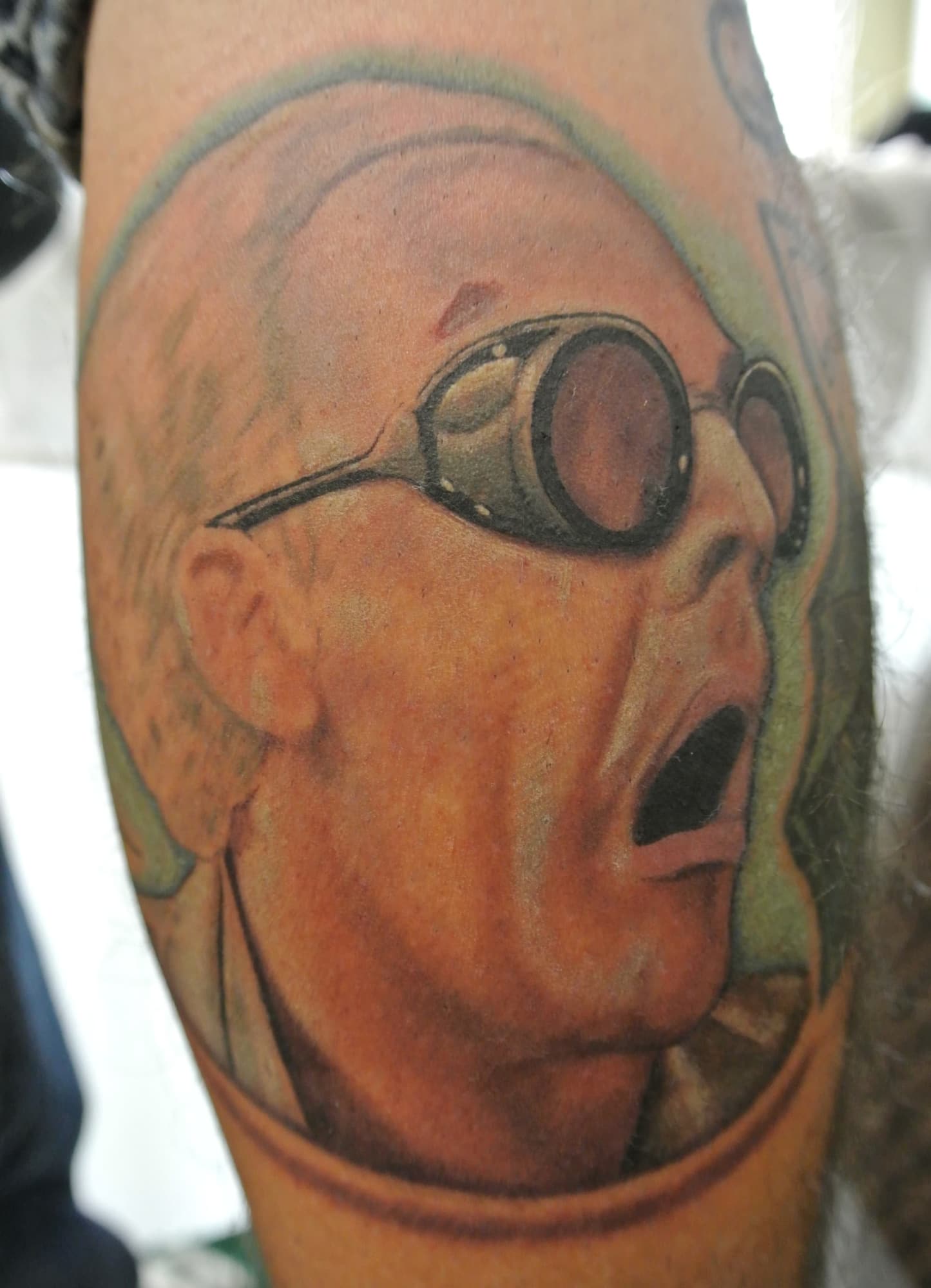

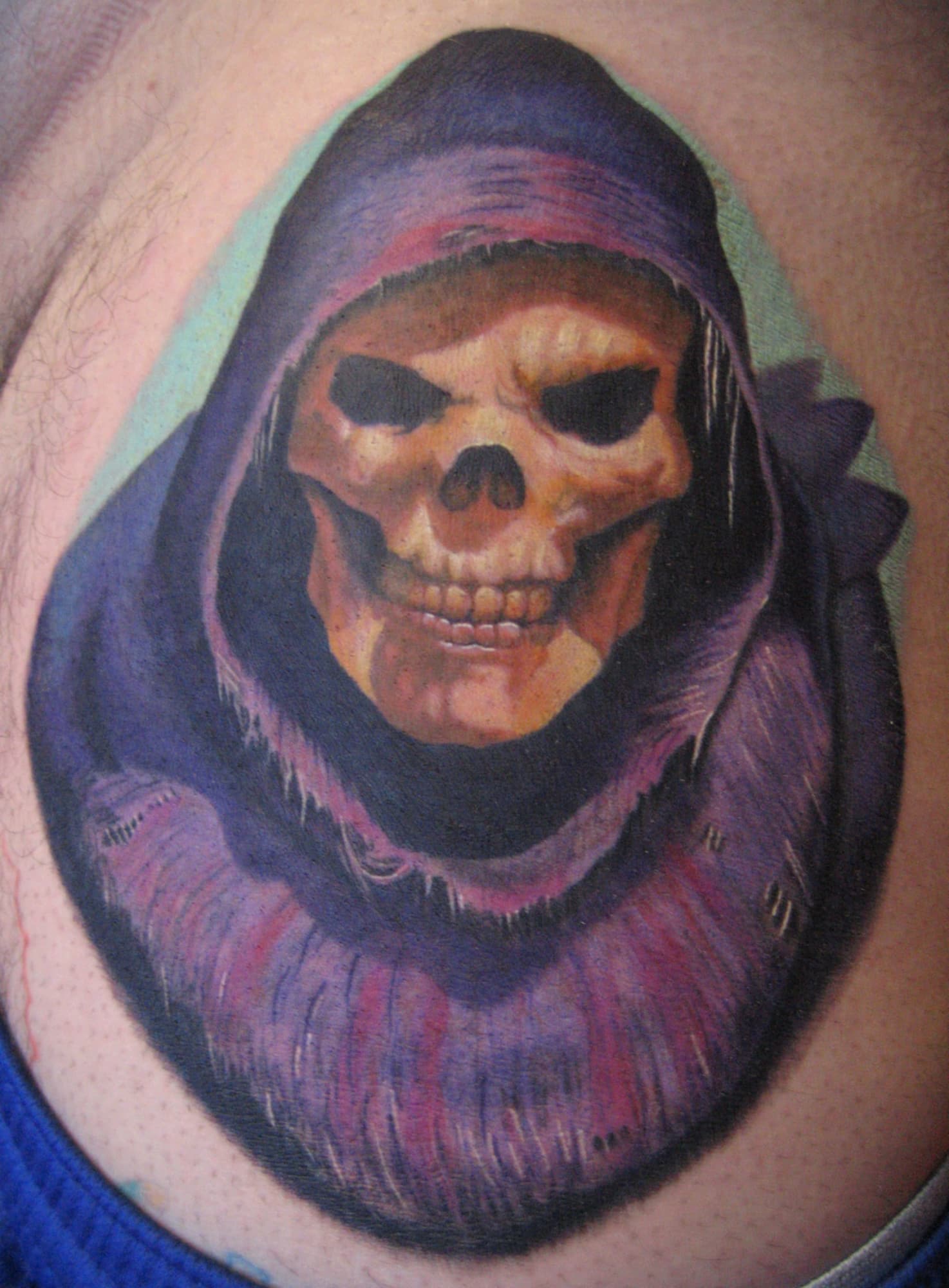

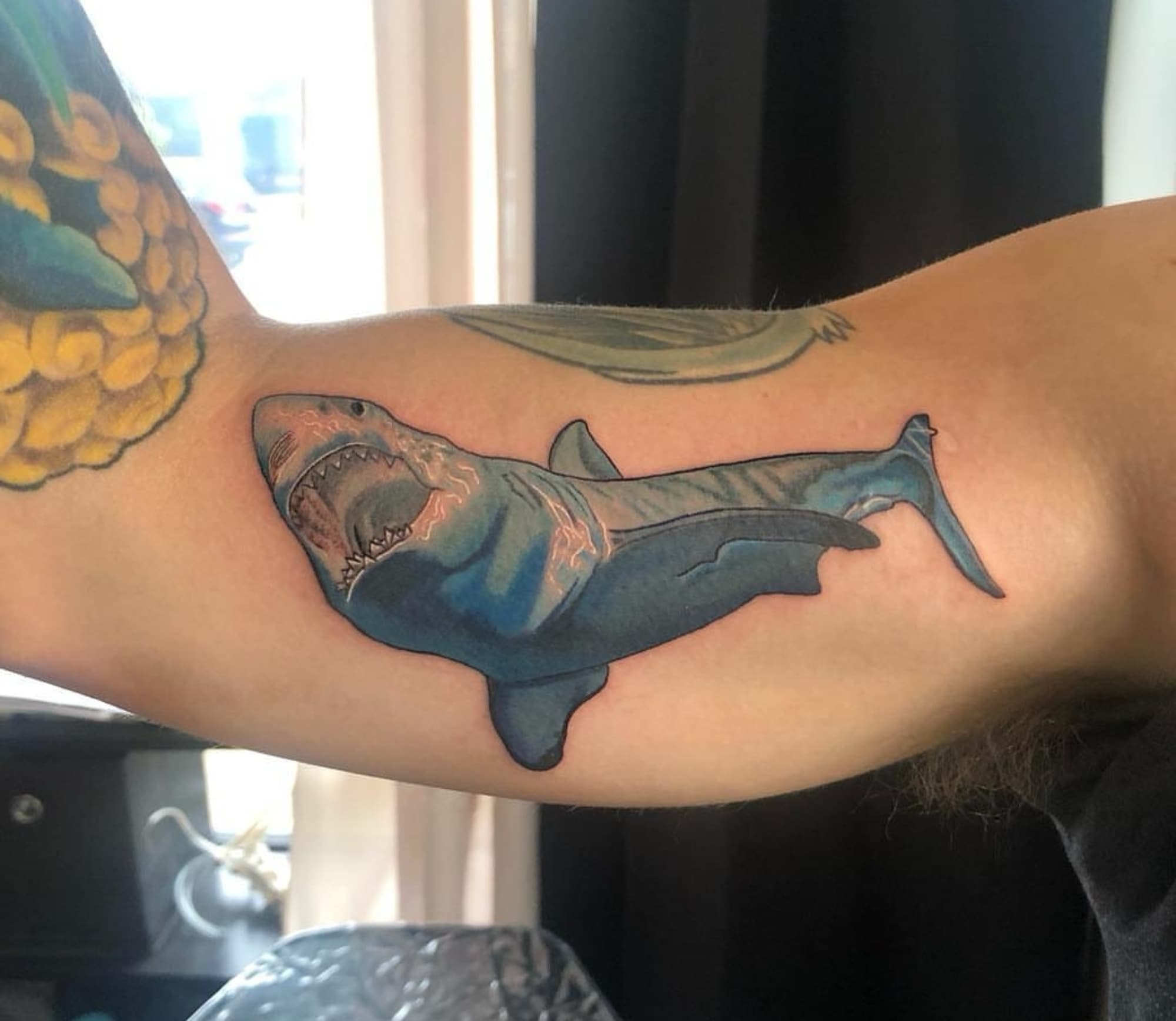
Realism tattoos incorporate lifelike detail, depth, and texture in a way that can look illustrative or almost photographic on the skin. Whether it’s a portrait, an animal, a flower, or a cinematic scene, realism relies on precision, shading, and a highly trained eye for nuance.
In St. Louis, this style is especially popular among clients who want tattoos that feel emotional, personal, or visually striking. Enigma Tattoos is a tattoo shop in St. Louis, MO home to artists who enjoy realism work and can help bring complex ideas to life with thoughtful technique and custom composition.
In this guide, you’ll learn what realism tattoos are, what sets them apart from other tattoo styles, the common themes people choose, the history behind the style, and how to choose the right realism tattoo artist in St. Louis. If you’re looking for a tattoo that feels vivid, three-dimensional, and true to life, realism offers some of the most stunning possibilities in modern tattooing.
What Are Realism Tattoos?
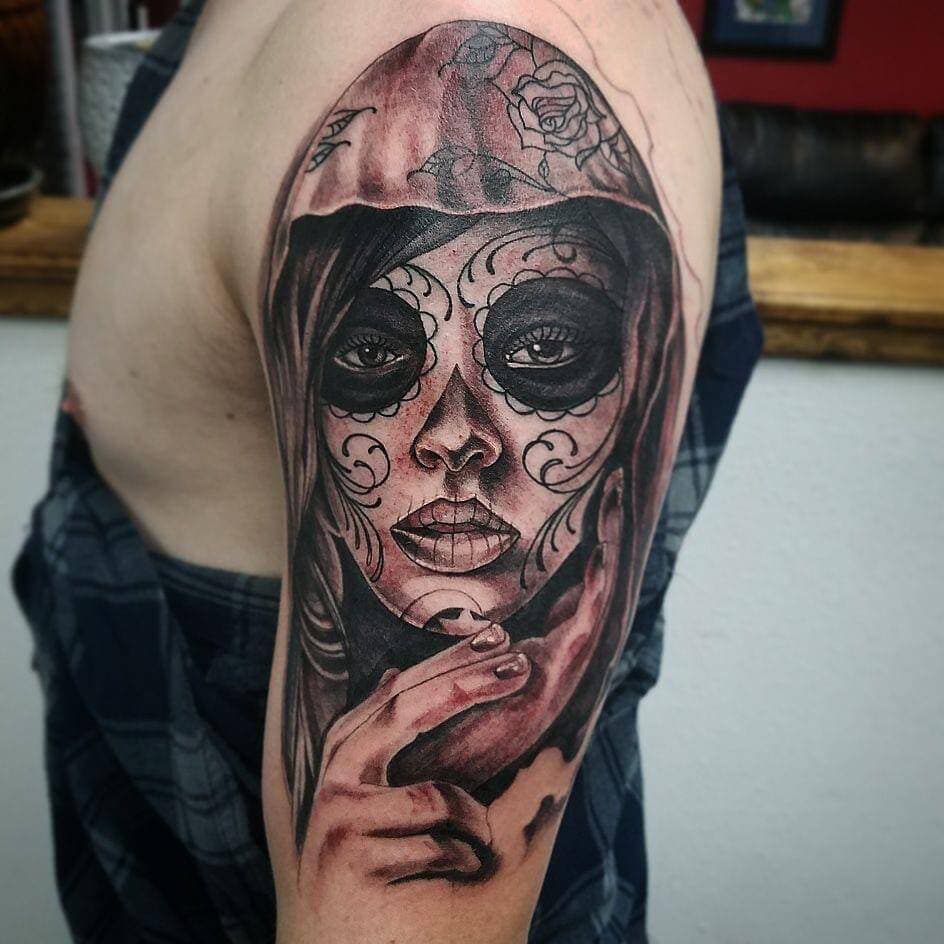
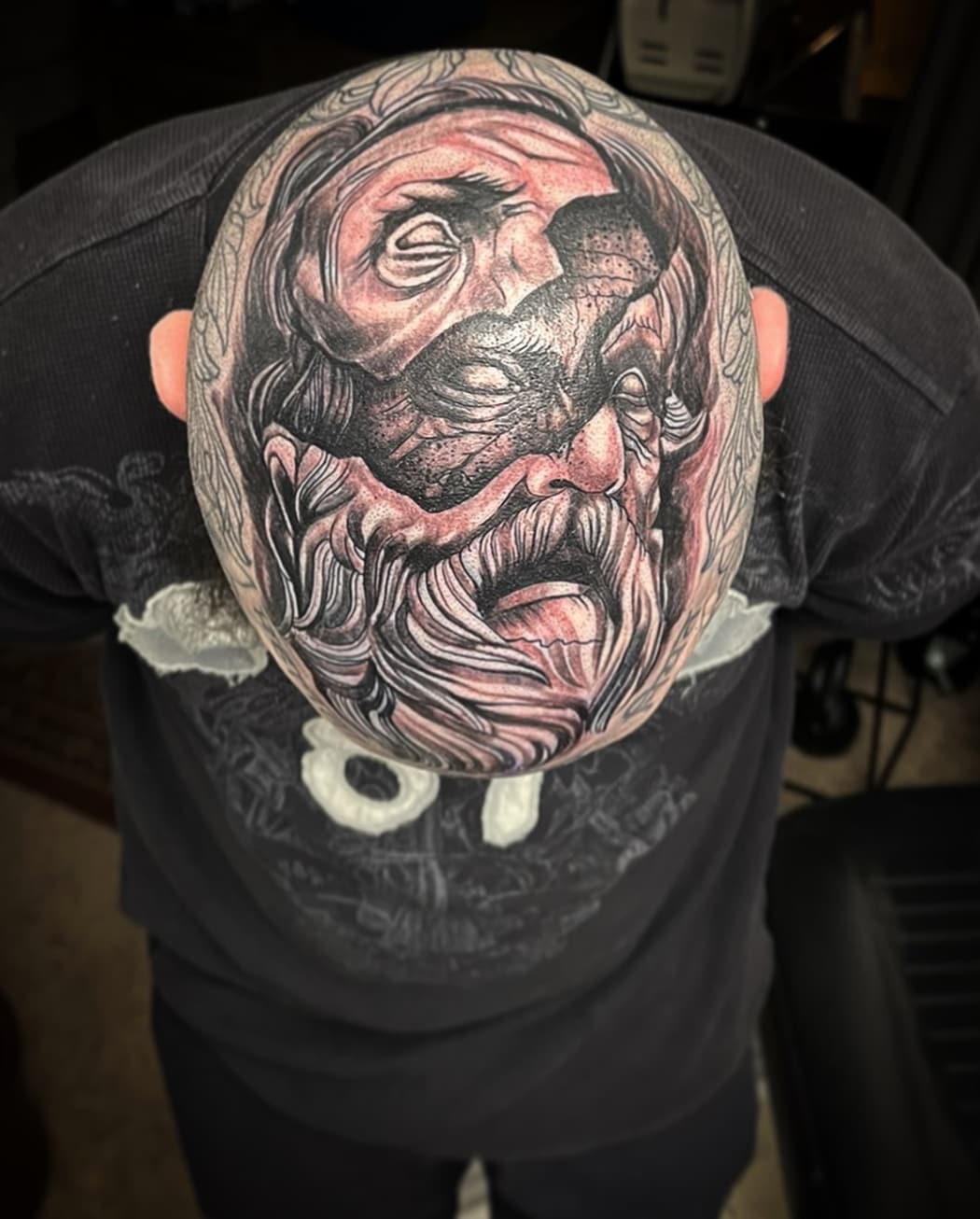
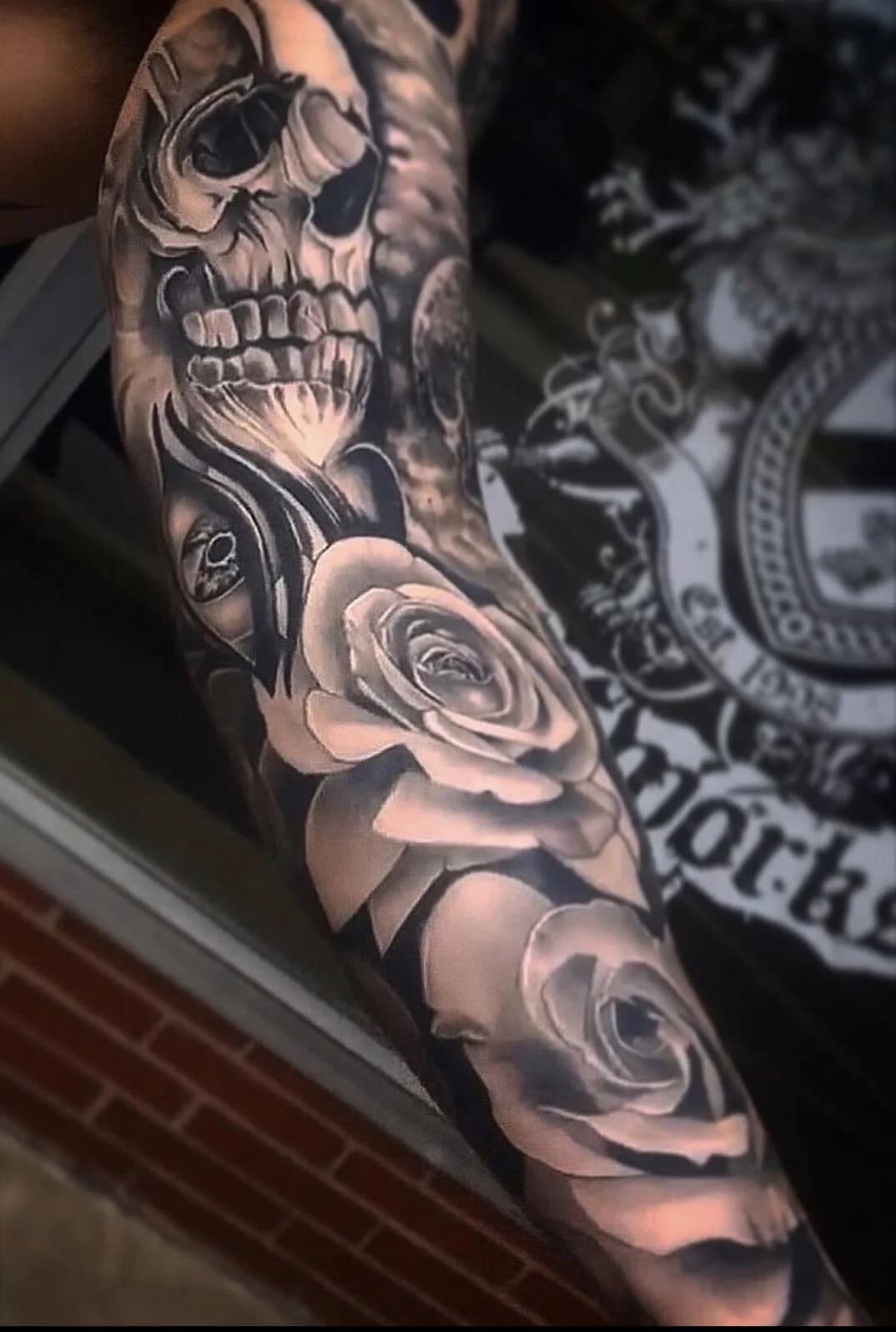
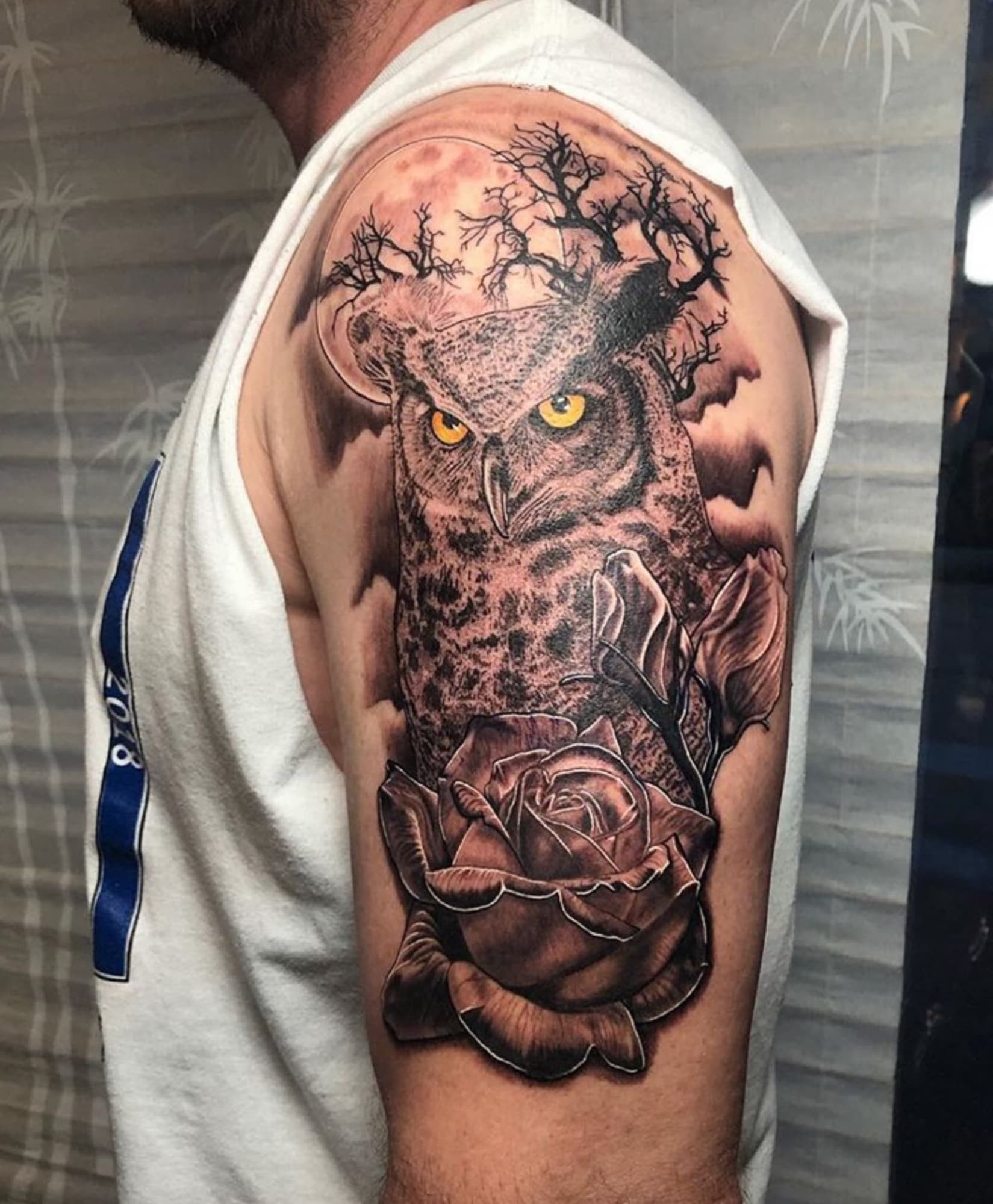
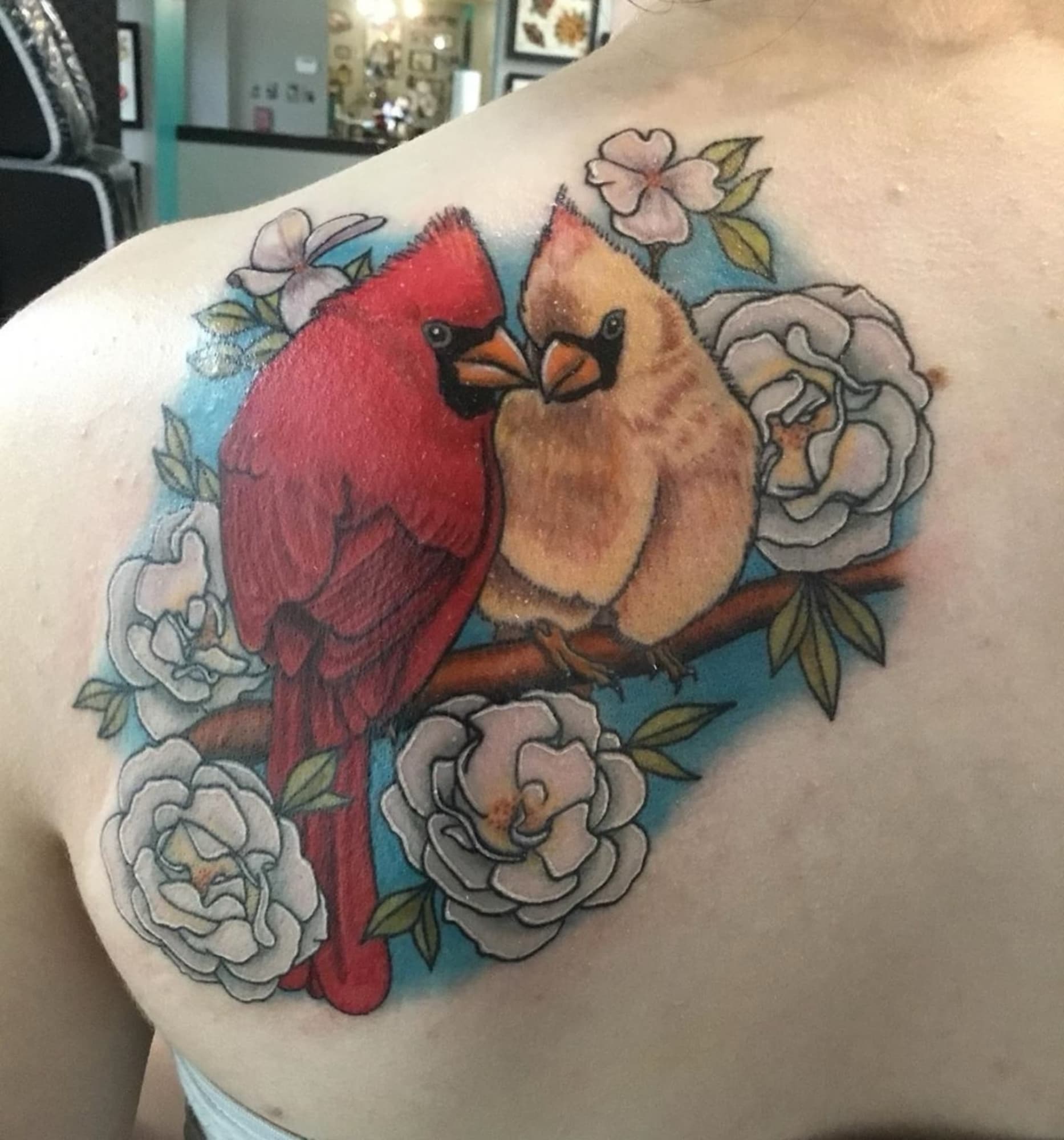
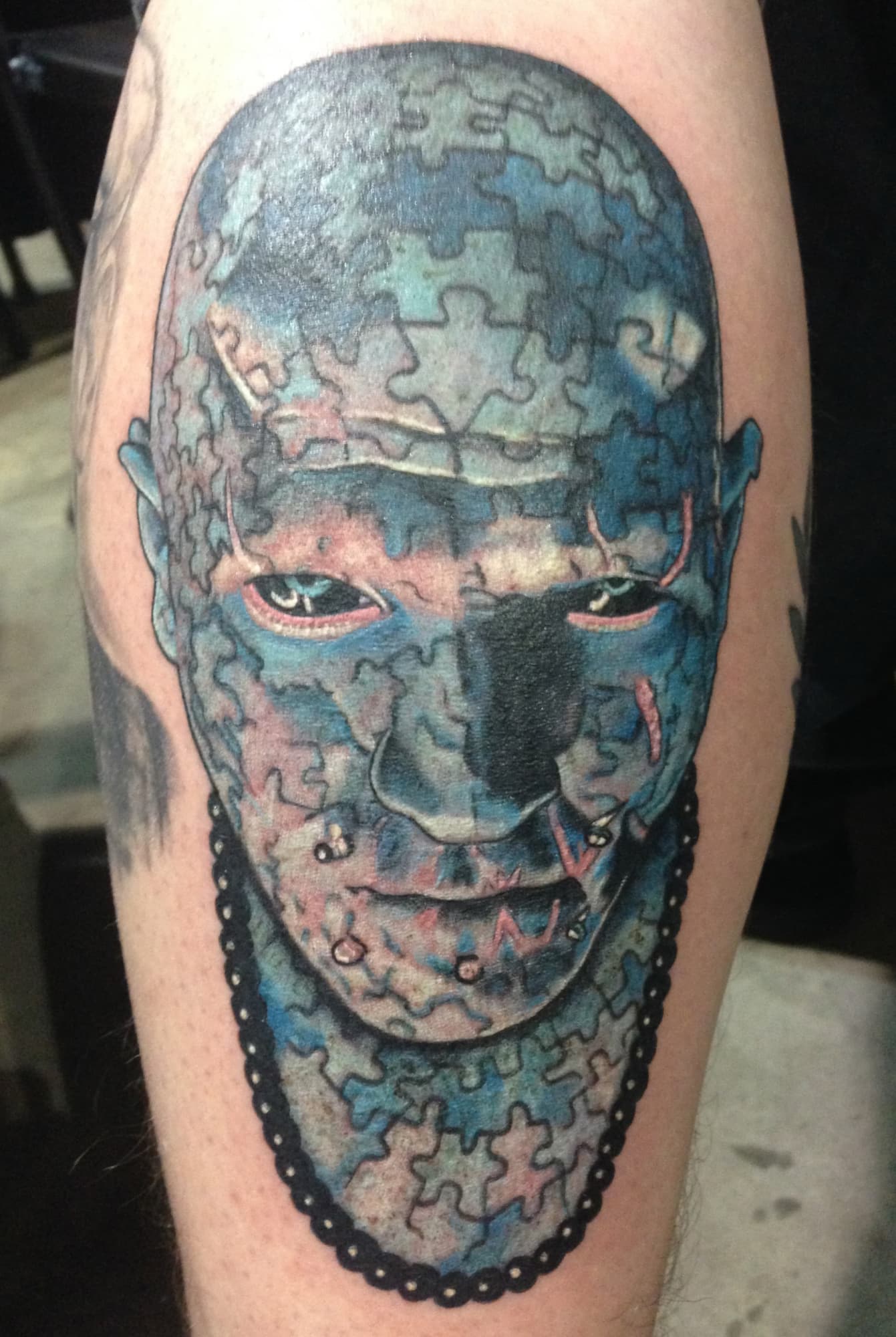
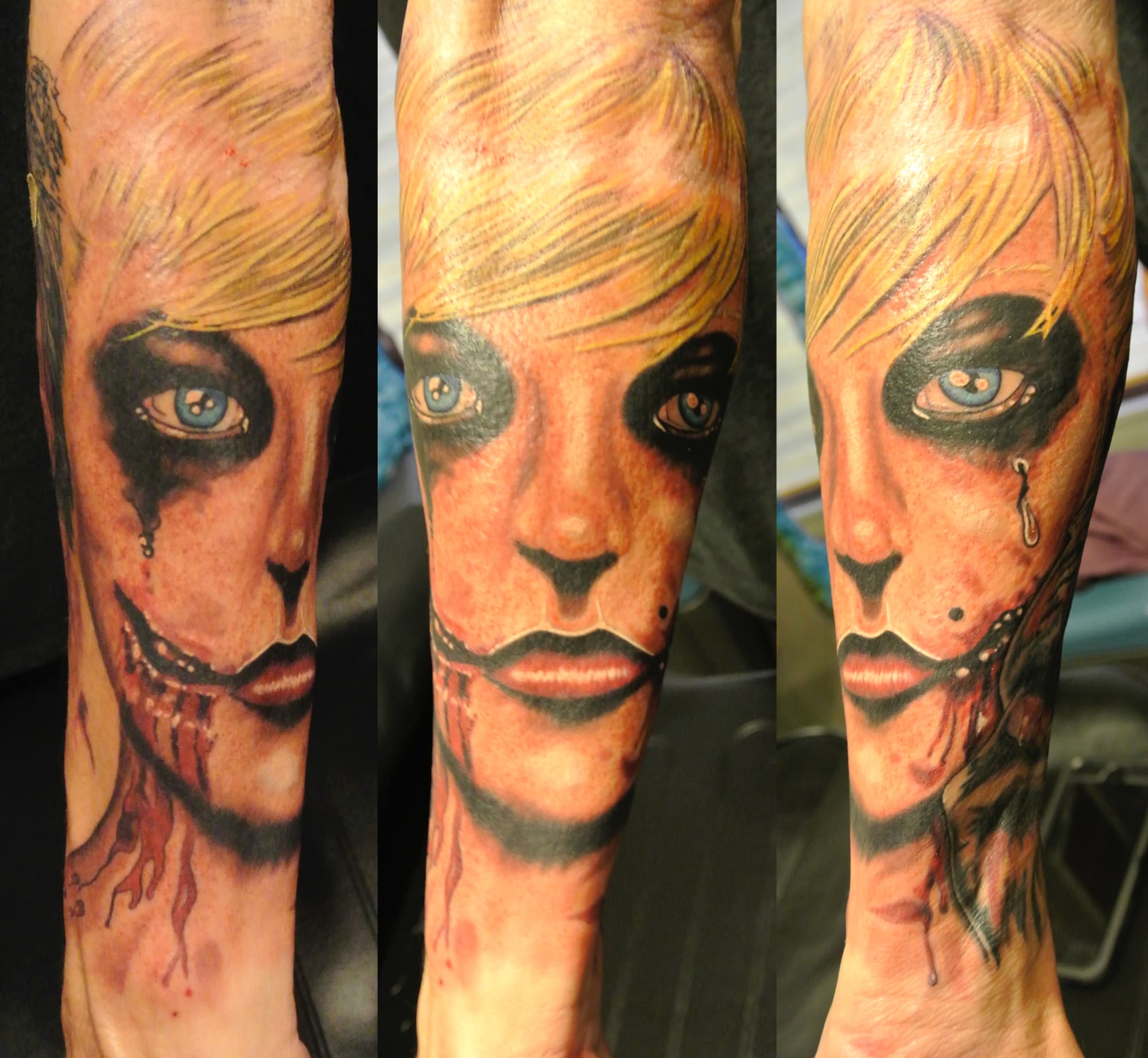
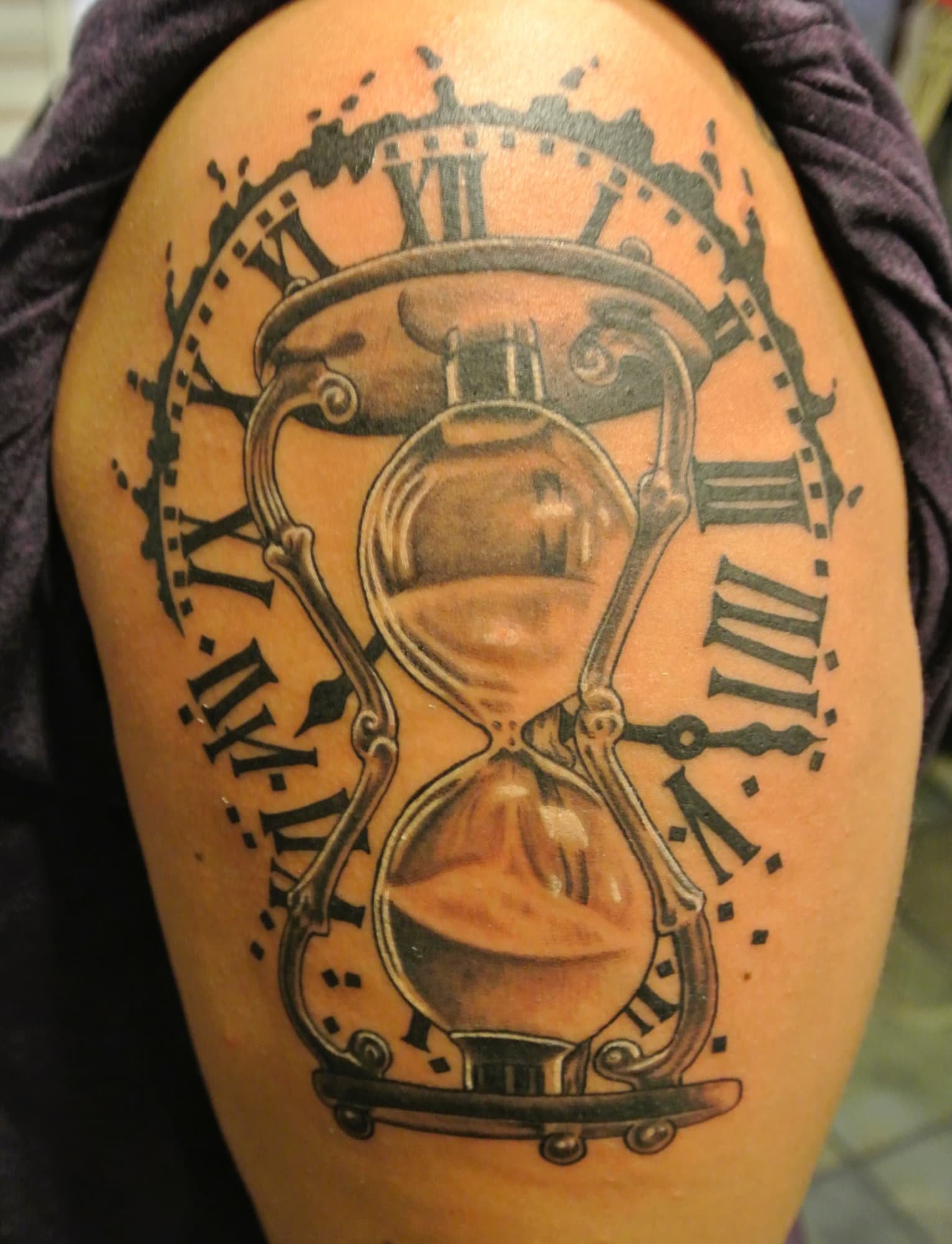
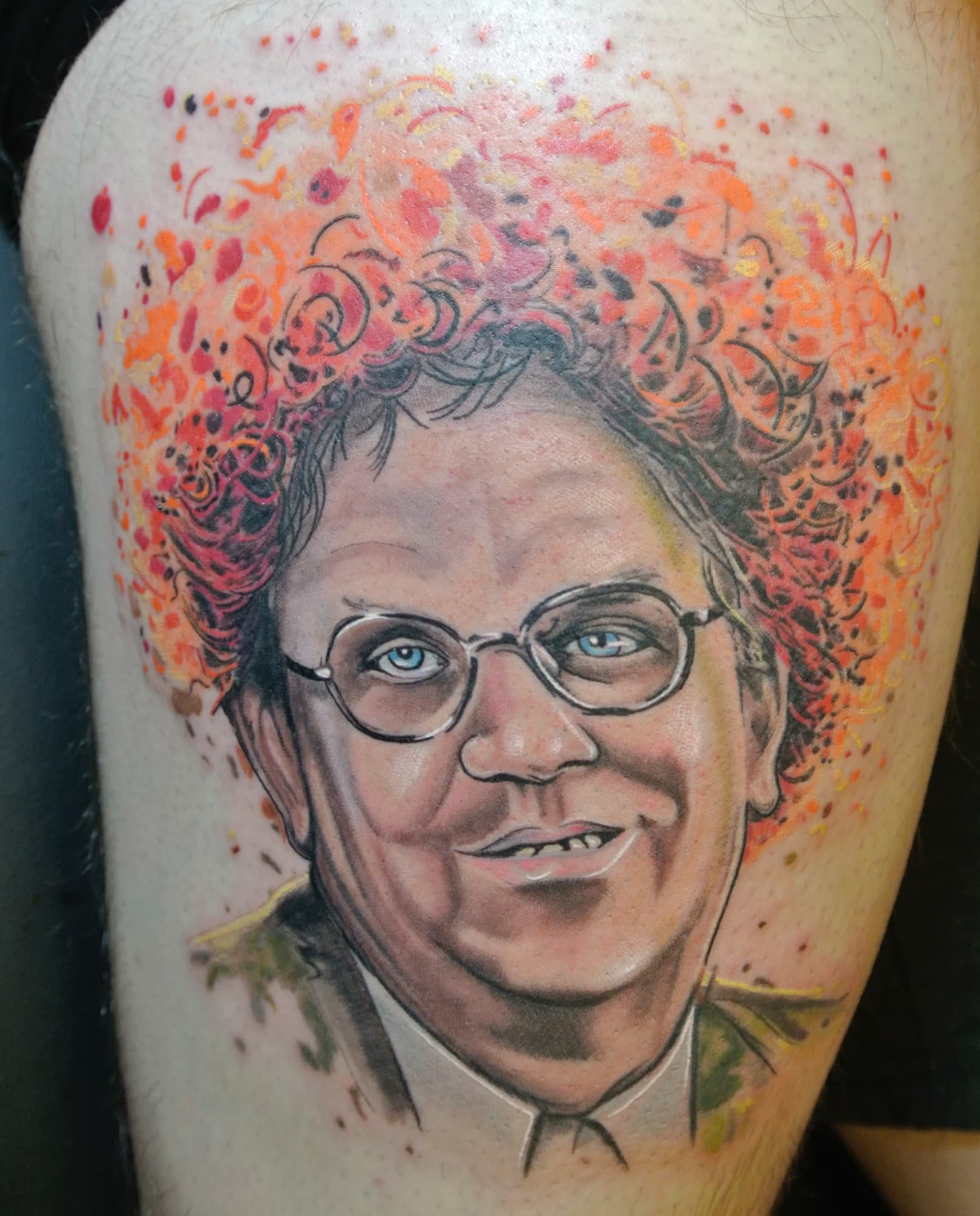
Realism tattoos are designs created to look as lifelike as possible, often resembling photographs, film stills, or highly detailed illustrations. Instead of relying on outlines or stylized shapes, realism focuses on accurate shading, depth, and tonal variation to build the illusion of dimension on the skin. This style can be done in black and gray, full color realism, or a blend of both, depending on the desired effect and the subject matter.
The goal of realism is believability. Artists of realism employ light sources, textures, and subtle details that make an image feel true to life. Skin, fur, metal, fabric, reflections, and even atmospheric elements must be interpreted carefully to maintain clarity and avoid muddiness. Realism tattoos often require longer session and a high level of technical skill, since each piece demands patience, precision, and meticulous attention to detail.
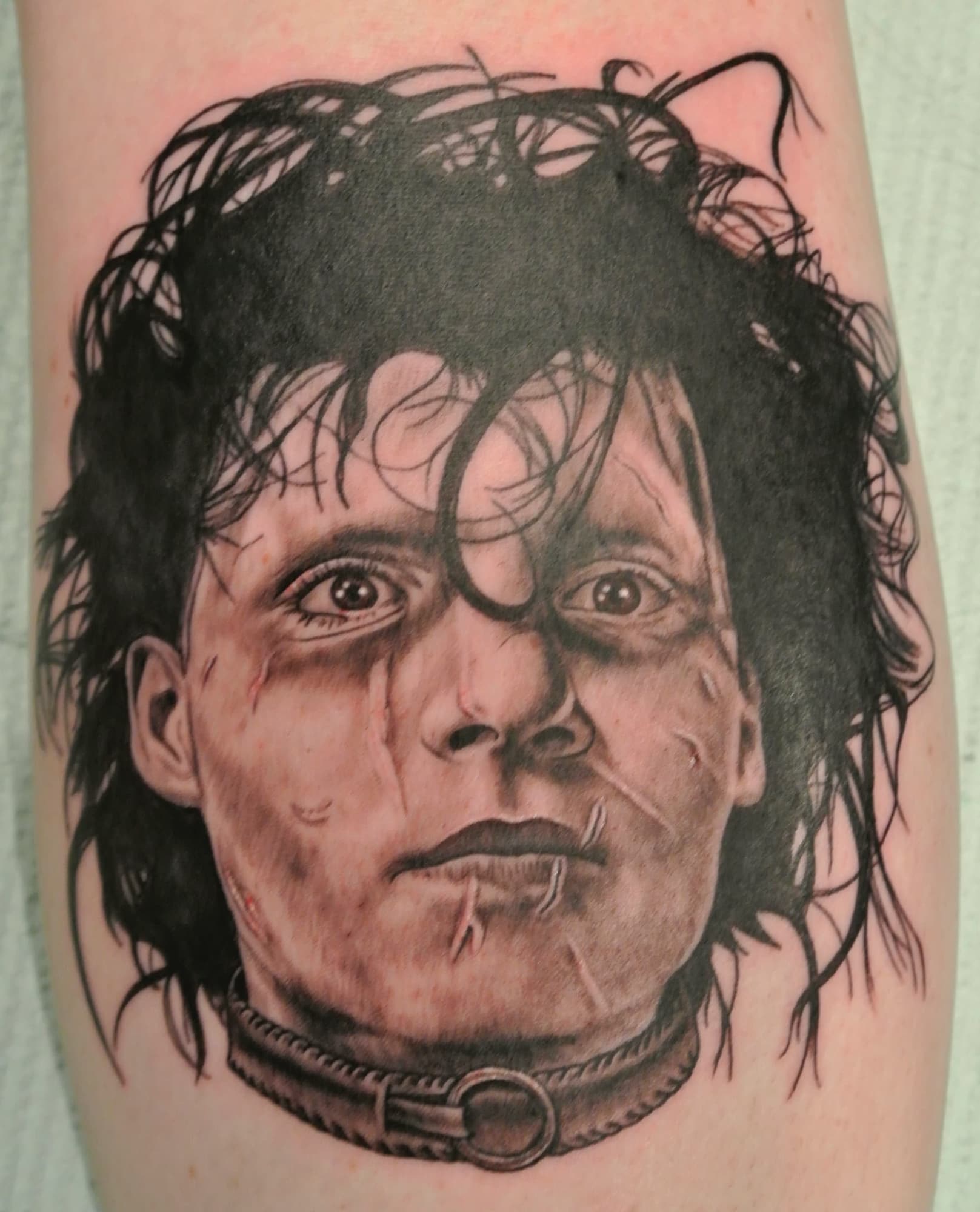
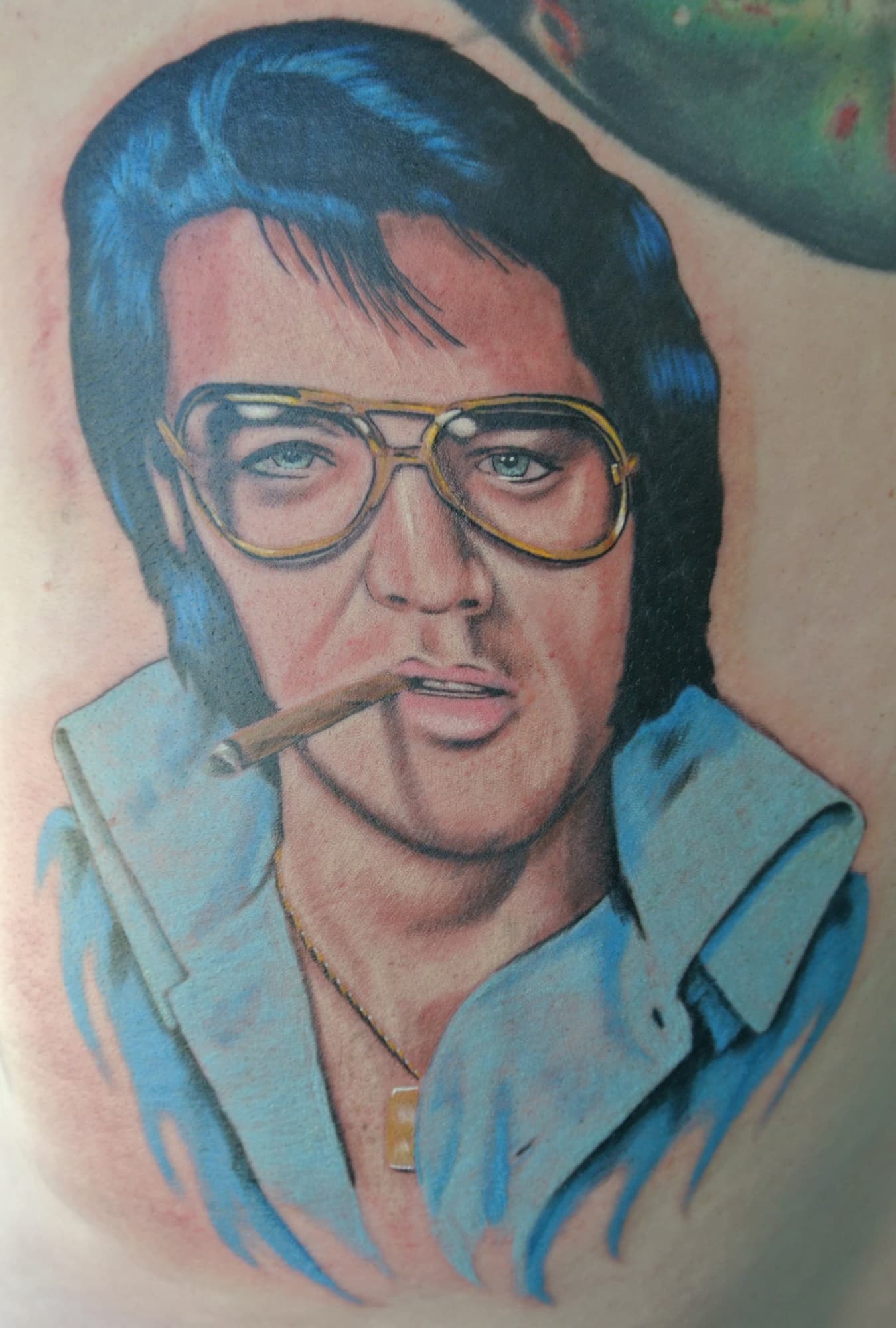
Clients choose realism when they want a tattoo that feels emotional, expressive, or deeply personal. Portraits of loved ones, animals, cultural icons, and symbolic objects are all common subjects. When executed well, realism tattoos feel immersive, striking, and visually unforgettable.
What Are the Hallmarks of the Realism Tattoo Style?
Realism tattoos rely on precision, patient shading, and an artist’s ability to interpret detail in a way that feels natural on the skin. The style avoids outlines and instead builds dimension through gradual tonal shifts, making each piece look visually immersive and true to life.
Here are the defining hallmarks of realism:
- Lifelike shading that creates depth, dimension, and smooth transitions
- Fine detail work such as pores, reflections, fur texture, or fabric folds
- No visible outlines relying instead on value and contrast for structure
- Accurate light sources to create believable highlights and shadows
- Photographic clarity that mimics film stills or high-resolution images
- Black and gray or full-color palettes depending on the design’s mood
- Soft gradients instead of bold lines or stylized edges
- High-contrast focal points to guide the viewer’s eye
Clients love realistic tattoos for their emotional impact and ability to capture meaningful imagery with striking authenticity. When done well, realism tattoos become powerful, long-lasting statements that hold both visual and sentimental weight.
In tattooing, realism includes several substyles such as black and gray realism, color realism, hyperrealism, surreal realism, and portrait realism, each offering a different approach to detail, mood, and visual intensity.
Popular Realism Tattoo Design Ideas
Realism tattoos work beautifully for subjects that carry emotion, symbolism, or visual intensity. Because the style aims for lifelike detail, many clients choose imagery that feels personal or powerful when translated onto the skin. Here are some of the most popular realism tattoo ideas:
- Portraits of loved ones including family members, children, and partners
- Pet portraits capturing the texture, expression, and personality of animals
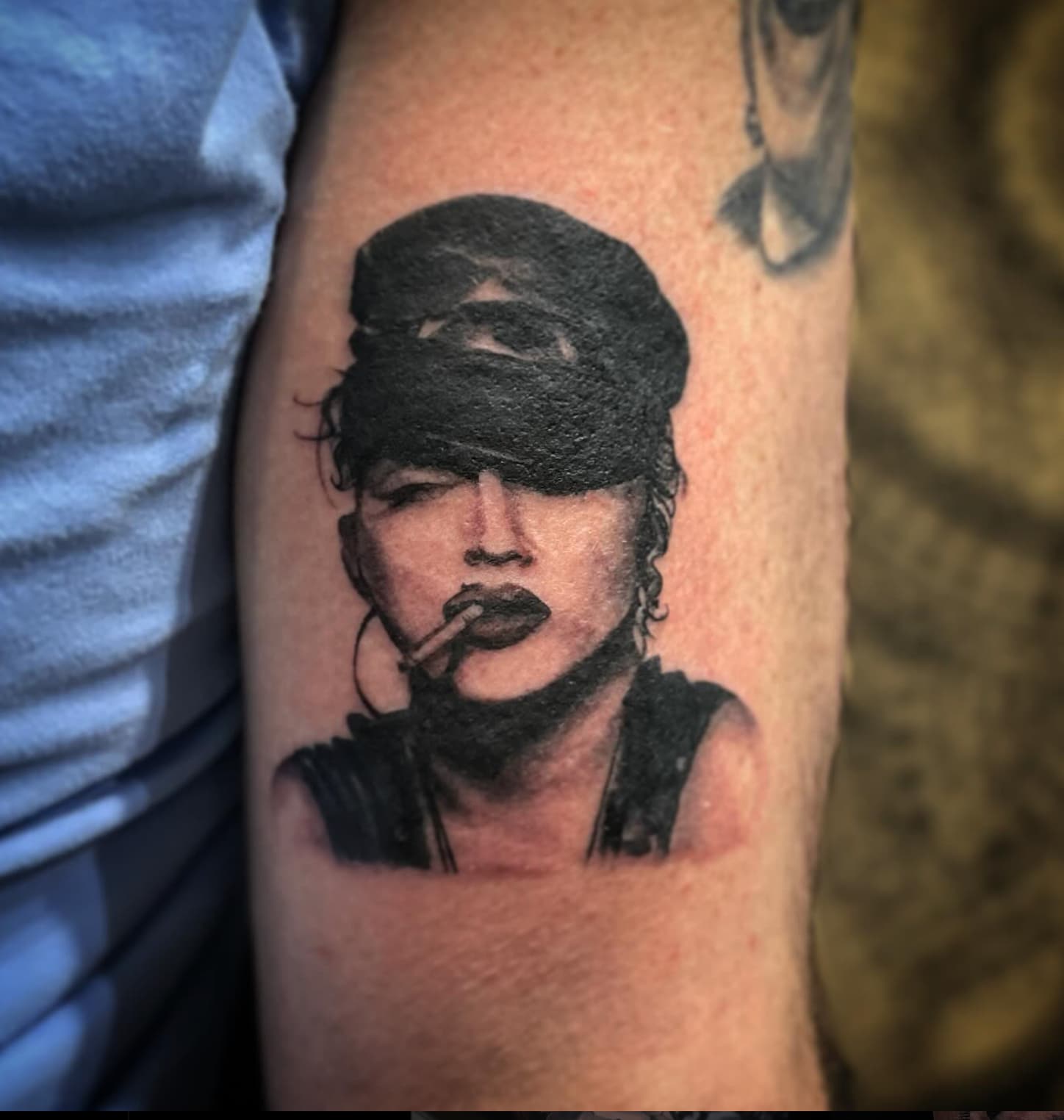
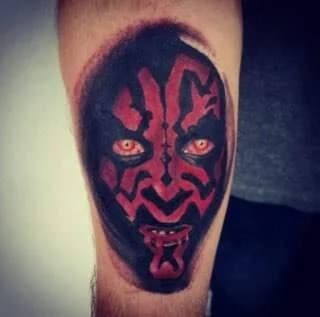
- Celebrity or cultural icons from musicians to film characters
- Wildlife and animals like lions, wolves, owls, or horses
- Flowers and botanicals rendered with natural shading and fine detail
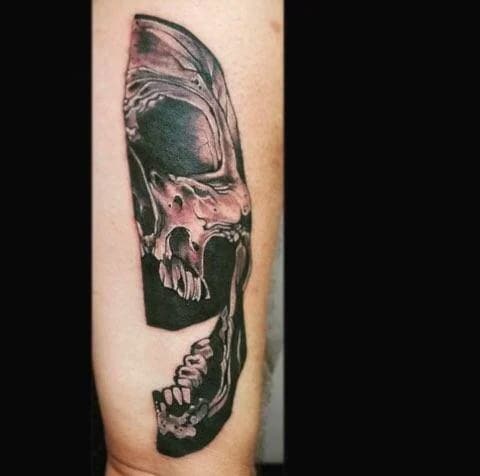
- Skulls and anatomical imagery with realistic contrast and texture
- Religious or spiritual imagery interpreted with dramatic lighting
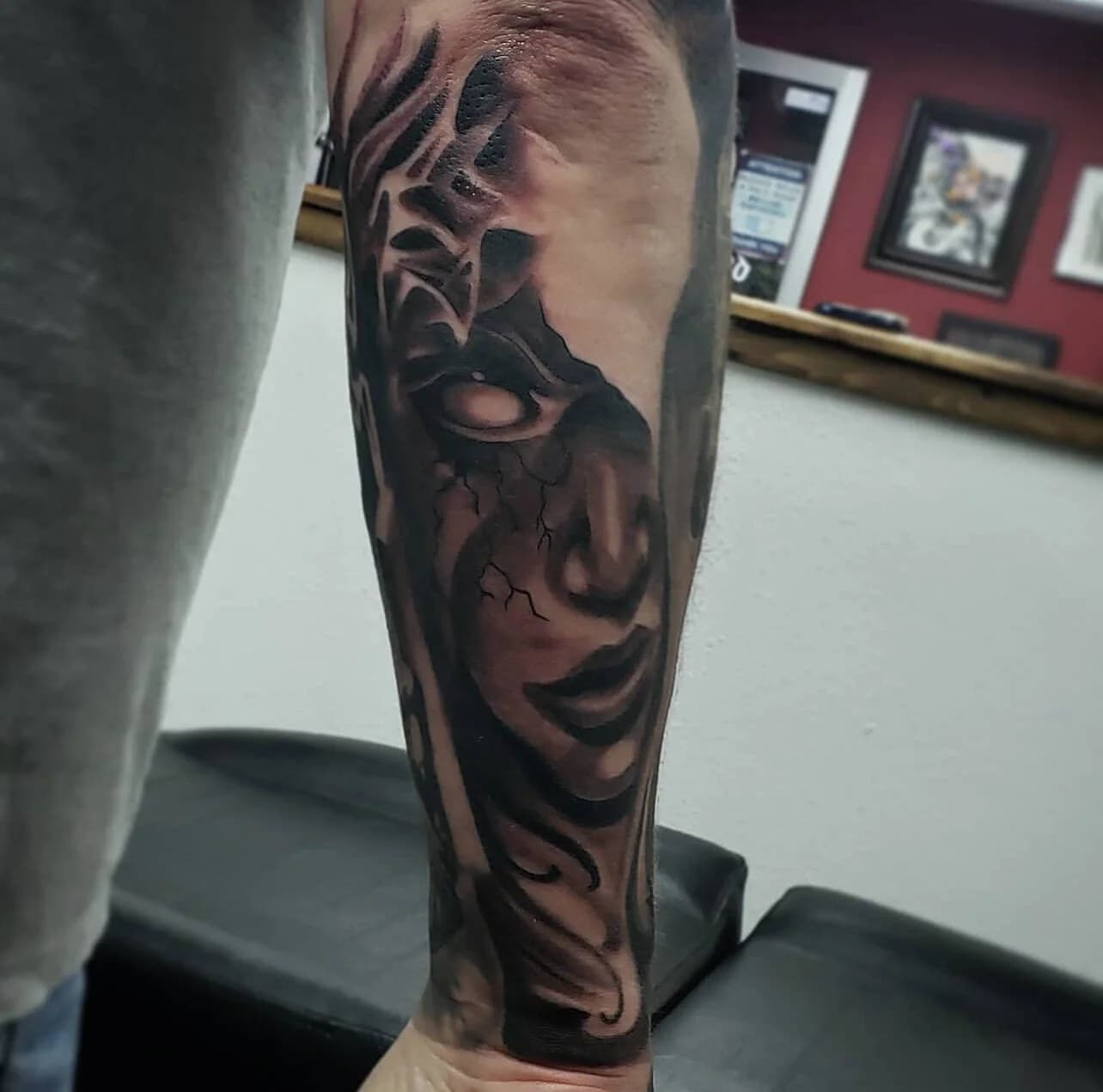
- Eyes or close-up facial features for high-impact focal points
- Objects with personal significance such as heirlooms, instruments, or keepsakes
- Cinematic scenes inspired by movies, photography, or graphic novels
These concepts can be done in black and gray for a timeless, dramatic effect or in full color for maximum vibrancy and realism. The style is flexible enough to capture emotion, storytelling, and intricate detail in striking ways.
History of Realism Tattoos
Realism as an art form has roots in nineteenth-century painting, where artists sought to portray subjects with accurate detail, natural lighting, and unidealized truth. In tattooing, however, realism began gaining traction much later due to technological limitations. Early tattoo machines, inks, and needles were not precise enough to support the soft gradients and fine details required for true realism.
The modern realism tattoo movement began taking shape in the late twentieth century as equipment improved and artists started experimenting with tonal variation, grayscale techniques, and photographic reference work. Black and gray realism was heavily influenced by Chicano tattoo traditions, which emphasized smooth shading, emotional themes, and lifelike portraits. As pigments and machines advanced, color realism followed, allowing artists to recreate everything from vivid wildlife to cinematic scenes.
The rise of the internet and social media accelerated the style’s evolution by giving artists access to global inspiration, advanced reference materials, and new techniques. Today, realism stands as one of the most technically demanding but visually impressive tattoo styles. It continues to evolve through innovations in needle configurations, pigment quality, and artistic training, making it a leading genre in contemporary tattooing.
Getting a Realism Tattoo in St. Louis
Choosing the right tattoo artist for a realistic tattoo is one of the most important steps in the entire process. Because the realism style depends on precision, subtle shading, and believable detail, you’ll want to look closely at an artist’s portfolio to evaluate their consistency. Pay special attention to healed work, since realism relies on soft gradients that must remain clear and smooth over time. A strong realism artist can show you examples that demonstrate their craft and their ability to maintain detail, contrast, and structure as the tattoo ages.
A good tattoo artist will also help guide decisions about placement, scale, lighting, and reference images. Realism tattoos often require larger sizes to preserve clarity, and an experienced artist will explain how shrinking or cropping an image can affect long-term visibility. They’ll also advise on whether black and gray or color is a better fit for your idea based on your skin tone, the subject matter, and how dramatic you want the final piece to feel.
Enigma Tattoos has artists who enjoy realism work and can help translate meaningful photos or concepts into detailed, emotionally resonant tattoos. When you take the time to review portfolios, discuss your vision, and bring high-quality references, you’ll end up with a realism piece that feels powerful, personal, and built to last.