











Most people walk out of a tattoo shop riding a high, then immediately go home and do something wrong. Not out of carelessness, out of conflicting advice. A friend swears by one method. A YouTube video says the opposite. Your tattoo artist handed you a card you lost before you got to your car.
Here’s the straightforward version: tattoo aftercare isn’t complicated, but it does require you to actually do it. Getting a tattoo is only half the job. How you heal it determines how it looks for the rest of your life.
Before You Even Leave the Shop
Aftercare starts the moment your artist puts the needle down. Before you walk out, they’ll clean the area and cover it with either a traditional bandage or a clear film wrap like Tegaderm or Saniderm. If you got a film wrap, keep it on for 24 hours minimum, up to two or three days depending on your artist’s instructions. It will look alarming under there, blood plasma and excess ink pooling under the film. That’s completely normal. Leave it alone.
If the wrap starts peeling up and exposing the tattoo before you’re ready to remove it, take it off and move to washing. Don’t try to tape it back down.
The First Wash
Remove the bandage in the shower. Peel it back slowly, close to the skin, rather than ripping it away. Once it’s off, this first wash matters more than any other.
With clean hands, use a gentle fragrance-free soap, Dial antibacterial, Dr. Bronner’s unscented, or anything without dye or perfume. Lather with the soft pressure of your fingers only. No washcloths, no loofahs, no scrubbing. Wash thoroughly for at least two to three minutes, especially in heavily saturated or colorful areas where plasma clings. You’re looking for skin that looks clean rather than shiny or gooey. When you think it’s clean, wash it once more.
Rinse well. Pat dry with a clean paper towel, or let it air dry. Never use a bath towel on a fresh tattoo.
The First Two Weeks: Your Daily Routine
Wash the tattoo two to three times a day with lukewarm water and your fragrance-free soap. Clean hands every single time before you touch it. After washing, pat dry and let it breathe for a few minutes before applying anything.
Once the skin starts feeling tight, usually within the first day or two, start moisturizing. A thin layer of fragrance-free lotion, Lubriderm, Aveeno, or Curel unscented, applied two to three times a day is enough. The goal is hydration, not a seal. You want the skin to breathe.
If you’re using Aquaphor, use far less than you think you need. A pea-sized amount, rubbed until it’s nearly invisible. Too much traps moisture and slows healing.
Avoid petroleum-based products as your primary moisturizer. They can trap bacteria and create an overly moist environment that doesn’t serve the tattoo healing process.
What to Skip Entirely
The list of things to avoid during healing is short but worth taking seriously:
- No picking, scratching, or peeling, even when it itches
- No soaking in baths, pools, hot tubs, or open water for at least two weeks
- No direct sun exposure on the tattoo for the first two to four weeks
- No sunscreen on a healing tattoo; that step comes after it’s fully healed
- No tight clothing rubbing directly against the area
- No strenuous workouts that stretch the skin over the tattoo or cause heavy sweating in the first week
Itching and peeling are normal. Peeling and then picking at what’s coming off is how you pull ink out of your skin and end up with patchy spots.
What Normal Healing Actually Looks Like
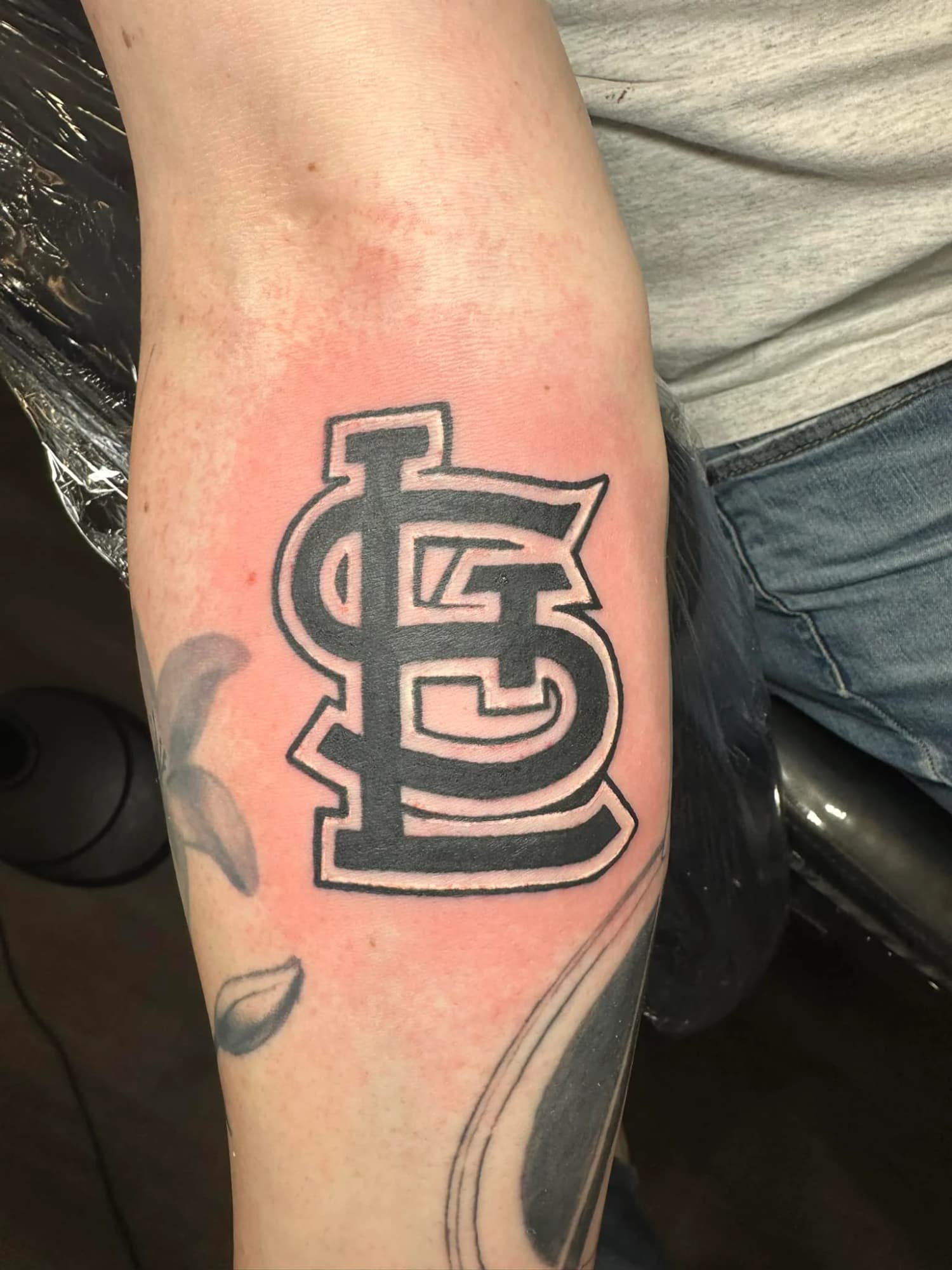
Around days five to seven, your tattoo will start peeling, possibly look dull or patchy, and the colors may seem muted or blurred. Lines might look less sharp than they did fresh. All of that is normal. The skin is doing its job.
You may also notice some inflammation, soreness, and tightness in the first few days, along with a sheen to the surrounding area. Normal. Scabbing, when it happens, will be pigmented. Let it fall off on its own.
What’s worth paying attention to:
- Redness spreading beyond the immediate area
- Swelling that worsens after the first few days rather than improving
- Unusual discharge, yellow or green
- Skin that feels hot to the touch
- Fever
If something feels wrong rather than just uncomfortable, come in or reach out to your artist. Early is always better.
Once It’s Healed
Full healing takes longer than most people expect. The surface skin may look finished within two to four weeks, but complete healing at deeper layers can take up to three months, especially for larger pieces or areas with heavy ink saturation.
Once your tattoo is fully healed, daily SPF becomes non-negotiable. UV exposure is the fastest way to fade a tattoo over time. A broad-spectrum mineral sunscreen, reapplied consistently, is the simplest long-term investment you can make in your work.
At Enigma, aftercare recommendations are part of every tattoo appointment, not an afterthought on a printed card. If you’re healing a fresh piece and something doesn’t look right, or you just want a second set of eyes on it, booking a follow-up is always an option.